Cancer nutrition & care · November 15, 2026
Eating before chemotherapy tracked with less vomiting in 1,582 women — but the meal was not assigned
A secondary analysis of a breast-cancer trial found fewer early vomiting episodes among patients who ate before treatment, though it cannot tell us what, how much or whether eating caused the difference.
Should someone eat before chemotherapy or arrive with an empty stomach? Researchers revisited the SUCCESS C breast-cancer trial to see whether patients' own pre-treatment eating behaviour was related to nausea and vomiting during the five days after each infusion.
The analysis used completed symptom diaries from 1,582 women: 814 received an FEC regimen and 768 received docetaxel plus cyclophosphamide. Patients recorded symptoms hourly. In both treatment groups, eating beforehand was associated with less vomiting in some early cycles; less nausea was also seen with FEC in the first cycle.
The clearest difference appeared in the first 24 hours. Median time without vomiting was nevertheless about 120 hours across cycles and regimens, showing that most participants did not vomit during the five-day diary window under their overall care, which would also have included prescribed anti-sickness treatment.
This was a secondary observational comparison inside a randomised chemotherapy trial: patients were not randomly assigned to eat or fast, and the abstract does not specify meal size or composition. The finding supports a dedicated feeding trial, not a rule to force food when nausea, fasting instructions or another clinical concern makes eating unsuitable.
The SUCCESS C diary analysis
1,582
Women with symptom diaries analysed
814
Received FEC chemotherapy
768
Received docetaxel plus cyclophosphamide
5 days
Hourly diary period after chemotherapy
Secondary analysis. Eating behaviour was observed rather than assigned, so illness, appetite, anti-sickness care or other differences may partly explain the association.
- Chemotherapy-induced nausea and vomiting are related but distinct outcomes: a person can feel nauseated without vomiting.
- FEC combines fluorouracil, epirubicin and cyclophosphamide.
- The reported association varied by regimen and treatment cycle rather than appearing uniformly everywhere.
- Individual cancer centres may give food or fasting instructions for reasons that this analysis did not test.
- Impact of pre-chemotherapy food intake on chemotherapy-induced nausea and vomiting in patients with early breast cancer: a subanalysis of the randomized SUCCESS C trialSupportive Care in Cancer / PubMed · Primary secondary-analysis record with regimens, diary sample and nausea/vomiting results. Published 13 November 2026.
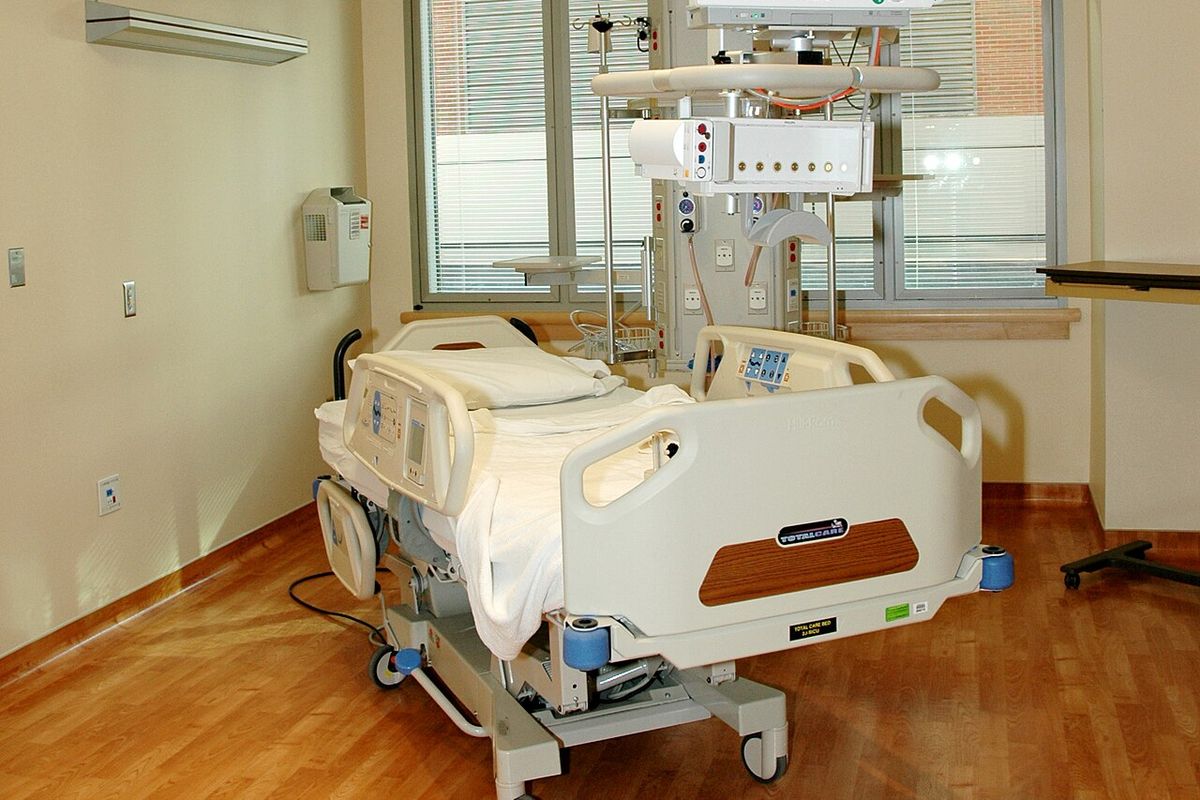
- Patient room with hospital bedWikimedia Commons · Diane A. Reid, National Cancer Institute, public domain. General cancer-care illustration.
General information, not medical advice. Follow the oncology team's instructions about eating, fasting, hydration and anti-sickness medicines around chemotherapy.
Analysis by NutroPractic from the sources listed. Written for general readers; it does not replace advice from your own doctor.
From our articles
Read, then eat a little better
Plain-language guides on nutrition and wellness, backed by research.

Women's health
Inositol for PCOS: the 40:1 ratio, trial doses, and food milligrams
Why do randomized trials in polycystic ovary syndrome prioritize the 40:1 myo to D-chiro inositol ratio? Here is the science behind the ovarian epimerase paradox, clinical ovulation and insulin metrics, and why cantaloupe cannot replace 4,000 mg trial powder.
21 Nov 2026

Everyday eating
Extra virgin olive oil polyphenols: the EU health claim, smoke point myths, and cooking stability
Does extra virgin olive oil degrade when cooked? What does the EU 5 mg polyphenol health claim require, how does oleocanthal act like ibuprofen, and why does oxidative stability matter more than smoke point in domestic frying? Here is the clinical and culinary data.
21 Nov 2026

Food and nutrition
L-theanine and caffeine: what cognitive trials measured on sustained attention, and milligrams in matcha vs green tea
Combining L-theanine with caffeine produces clean focus without caffeine jitters. Here is what randomized trials measured on attention-switching, EEG alpha brain waves, and the exact milligrams across ceremonial matcha, culinary powder, gyokuro, and sencha.
20 Nov 2026
Newsfeed for your website
Want this feed on your website?
Add it to any site with one copy-and-paste snippet. No sign-up, and it updates itself every hour.
Start with a virtual consultation
Tell Dr. Triveni what you want to change. You will leave with a clear next step, whether you are in Toronto, London, New York or Chennai.