Gastrointestinal motility & surgical recovery · November 21, 2026
Postoperative coffee consumption accelerated first bowel movement by nearly seven hours after abdominal surgery
An updated systematic review and meta-analysis of 20 randomized controlled trials found that drinking coffee following abdominal and pelvic surgery safely advanced the return of intestinal motility by approximately 6.9 hours.
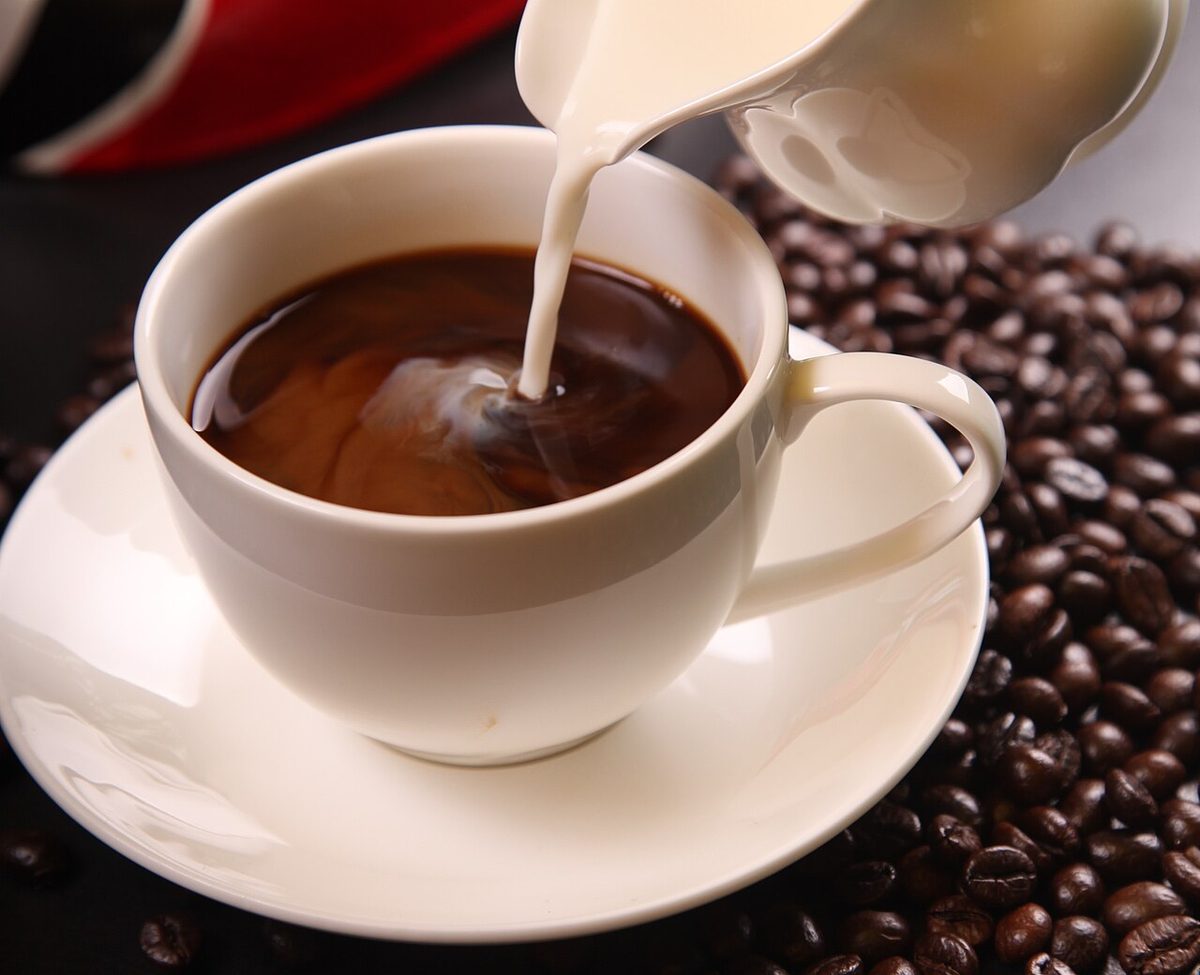
Postoperative ileus—the transient paralysis of coordinated gastrointestinal smooth muscle motility following abdominal or pelvic surgery—remains a major clinical challenge. It causes abdominal distension, nausea, delayed enteral feeding, and prolonged hospitalization. While multimodal Enhanced Recovery After Surgery (ERAS) pathways incorporate early ambulation and chewing gum, simple dietary prokinetic strategies continue to garner intensive clinical interest.
Coffee contains a complex biochemical matrix of caffeine, chlorogenic acids, melanoidins, and diterpenes known to stimulate gastric acid secretion, rectosigmoid motility, and neuroendocrine signaling. However, previous clinical studies reported variable effect sizes and debated whether coffee's prokinetic benefits were driven by active caffeine, volume ingestion, or psychological expectations.
To resolve these questions, surgical researchers conducted an updated systematic review and meta-analysis across PubMed, Embase, and Cochrane CENTRAL, synthesizing 20 randomized controlled trials that compared postoperative coffee ingestion against no coffee, water, or standard postoperative fluid care in adults undergoing abdominal procedures.
The pooled meta-analysis demonstrated that postoperative coffee significantly reduced the time to first bowel movement by an average of 6.9 hours overall, and by 4.7 hours when restricted strictly to trials with volume-matched beverage controls. Furthermore, coffee consumption was well tolerated with no increase in postoperative complications, anastomotic dehiscence, or cardiovascular arrhythmias, supporting coffee as a cost-effective, low-risk adjunct for postoperative intestinal rehabilitation.
Gastrointestinal motility endpoints from 20 randomized controlled trials of postoperative coffee
20 RCTs
Randomized controlled trials synthesized in the updated systematic review
~6.9 hours
Average acceleration in time to first bowel movement across all trials
~4.7 hours
Acceleration when strictly compared against volume-matched control drinks
Zero excess
No increase in anastomotic complications, arrhythmias, or adverse events
Updated systematic review and meta-analysis of randomized controlled trials evaluating postoperative coffee on bowel recovery.
- Coffee ingestion can stimulate rectosigmoid motor activity within four minutes in healthy adults via neurohumoral mechanisms.
- Enhanced Recovery After Surgery (ERAS) protocols emphasize early oral intake and non-pharmacological ileus prevention.
- Decaffeinated coffee demonstrates comparable prokinetic effects, indicating bioactive roles for chlorogenic acids and polyphenols.
- Postoperative ileus represents one of the largest single drivers of extended hospital stay and healthcare expenditure after colorectal surgery.
- Postoperative Coffee and Bowel Recovery After Abdominal Surgery: An Updated Systematic Review and Meta-Analysis of Randomized Controlled TrialsNutrients / MDPI · Systematic review and meta-analysis of 20 randomized controlled trials. Published 18 November 2026.
- Coffee with milkWikimedia Commons · Photo by shixugang via Pixabay, CC0 public domain dedication.
Educational summary of surgical nutrition and gastrointestinal research. Postoperative oral intake must strictly adhere to the attending surgical team's clinical orders.
Analysis by NutroPractic from the sources listed. Written for general readers; it does not replace advice from your own doctor.
From our articles
Our guides on this subject
Plain-language guides on nutrition and wellness, backed by research.
Gut health
Constipation and food: kiwis, prunes, psyllium and what the head-to-head trials found
Two green kiwis a day added about 1.5 complete bowel movements a week in a 2023 trial across New Zealand, Italy and Japan, and beat psyllium overall; prunes beat psyllium in an earlier one. The doses the trials and the 2025 British dietitians' guideline used, what water, magnesium, coffee and rye bread add, IBS-C, isabgol, a four-week plan and the warning signs.
25 Oct 2026
Gut health
Heartburn and acid reflux: which food triggers the trials confirm, and what late meals, weight and a raised bed do
Up to 28% of North American adults get heartburn every week. Coffee showed no link across 15 studies, but going to bed within three hours of dinner came with 7.5 times the odds, a 1,000 kcal meal brought 65% more acid time than a 500 kcal one, and losing 3.5 BMI units cut the odds by about a third. What the trials say about food, weight, late meals and raising the bed, with a four-week plan.
22 Oct 2026

Food and nutrition
L-theanine and caffeine: what cognitive trials measured on sustained attention, and milligrams in matcha vs green tea
Combining L-theanine with caffeine produces clean focus without caffeine jitters. Here is what randomized trials measured on attention-switching, EEG alpha brain waves, and the exact milligrams across ceremonial matcha, culinary powder, gyokuro, and sencha.
20 Nov 2026
Newsfeed for your website
Want this feed on your website?
Add it to any site with one copy-and-paste snippet. No sign-up, and it updates itself every hour.
Start with a virtual consultation
Tell Dr. Triveni what you want to change. You will leave with a clear next step, whether you are in Toronto, London, New York or Chennai.