Dietary calcium & plant-based dairy alternatives · November 21, 2026
Commercial plant-based cheeses fall drastically short in protein and calcium needed for osteoporosis prevention
A spectroscopic analysis comparing 51 dairy cheeses and 41 commercial vegan alternatives revealed that plant-based cheeses contained over twenty-fold less calcium (median 17.1 mg vs 362.7 mg) and five-fold less protein alongside higher saturated fats, failing to provide essential bone-protective nutrients.
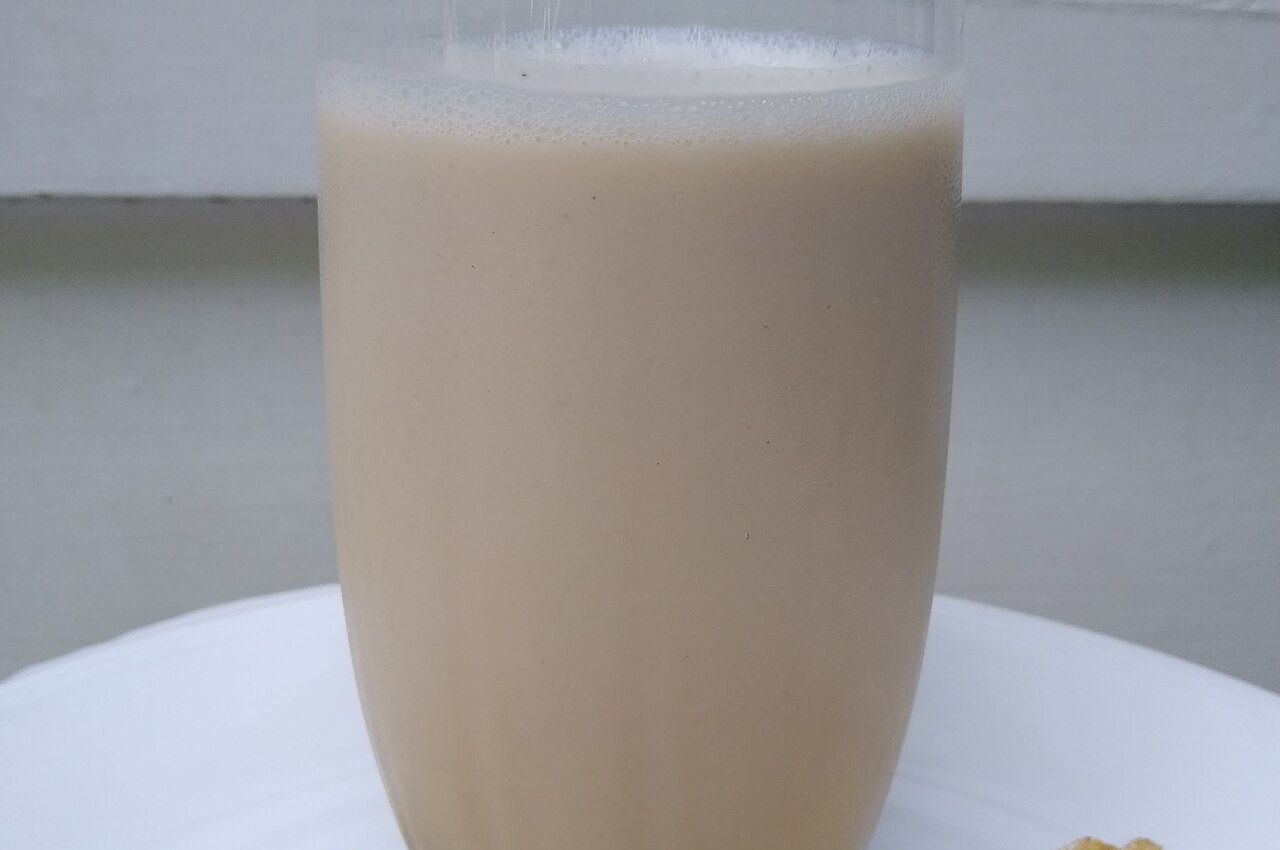
The rapid global expansion of plant-based dairy alternatives has led many consumers to adopt vegan cheese substitutes for ethical, environmental, or lactose-intolerance reasons. However, dairy products serve as primary dietary vehicles for bioavailable calcium, phosphorus, and high-quality protein—nutrients critical for maintaining bone mineral density and mitigating osteoporosis. Whether commercial plant-based cheeses deliver equivalent micronutrient profiles has become a vital public health question.
To rigorously assess their nutritional equivalence, food scientists evaluated 92 commercially available cheese products (51 traditional dairy cheeses and 41 plant-based cheese alternatives) purchased from major supermarkets. The researchers employed inductively coupled plasma optical emission spectrometry (ICP-OES) to precisely quantify elemental calcium and phosphorus concentrations, alongside comprehensive packaging macronutrient evaluations across seven matched product categories.
The laboratory findings revealed alarming nutritional disparities between dairy and plant-based offerings. Vegan cheeses exhibited a median protein content of just 2.0 g per 100 g compared to 11.0 g in dairy cheeses (p < 0.001), with vegan block and sliced alternatives containing a negligible median of 0.1 g protein. Calcium content was drastically lower in plant alternatives, presenting a median of only 17.1 mg per 100 g compared to 362.7 mg in dairy cheeses (p < 0.001).
Crucially, none of the 41 sampled vegan cheeses were fortified with calcium, and their median phosphorus content was similarly depressed (19.1 mg vs 298.7 mg per 100 g). Furthermore, plant-based cheeses contained significantly higher saturated fatty acids than dairy cheeses (median 21.0 g vs 16.0 g per 100 g), driven primarily by coconut oil bases. The researchers conclude that unfortified plant cheeses cannot serve as dietary substitutes for bone health and warrant mandatory fortification standards.
ICP-OES elemental and macronutrient comparison of 92 commercial cheese products
17.1 vs 362.7 mg
Median calcium per 100g: vegan vs dairy cheese (p < 0.001)
2.0 vs 11.0 g
Median protein per 100g: vegan vs dairy cheese (p < 0.001)
0 of 41
Plant-based cheese products fortified with calcium
21.0 vs 16.0 g
Higher saturated fat in plant-based alternatives due to coconut oil
Analytical study of 51 dairy and 41 vegan cheeses utilizing inductively coupled plasma optical emission spectrometry.
- Osteoporosis affects over 200 million people worldwide, predisposing older adults to fragility hip and vertebral fractures.
- Adults aged 50 and older typically require 1,000 to 1,200 mg of dietary calcium daily to maintain bone remodeling balance.
- Most commercial vegan cheeses are formulated with water, modified starches, and refined coconut oil, resulting in virtually zero protein.
- Inductively coupled plasma optical emission spectrometry (ICP-OES) uses argon plasma at 6,000 to 10,000 Kelvin to atomize and quantify minerals.
- Comparison of Nutritional Values of Cheeses and Their Plant-Based Counterparts with Special Focus on Osteoporosis Prevention and ManagementNutrients / MDPI · Comparative food composition and ICP-OES analytical study. Published 19 November 2026.
- Oatmilk cartonWikimedia Commons · Photo by Mx. Granger, CC0 public domain dedication.
Educational summary of food chemistry and bone nutrition research. Individuals on plant-exclusive diets should ensure adequate calcium and vitamin D intake through fortified foods or targeted supplements.
Analysis by NutroPractic from the sources listed. Written for general readers; it does not replace advice from your own doctor.
From our articles
Our guides on this subject
Plain-language guides on nutrition and wellness, backed by research.
Women's health
Eating through menopause: what changes for your bones, muscle and heart, and what to put on the plate
Around the final period, bone density at the spine drops by about 2% a year and LDL cholesterol jumps within a year or two. Hot flushes get the attention, but these quieter changes are where food and strength training do the most. Targets for protein, calcium and vitamin D, an honest look at soy, and a week you can start on Monday.
8 Oct 2026
Supplements and vitamins
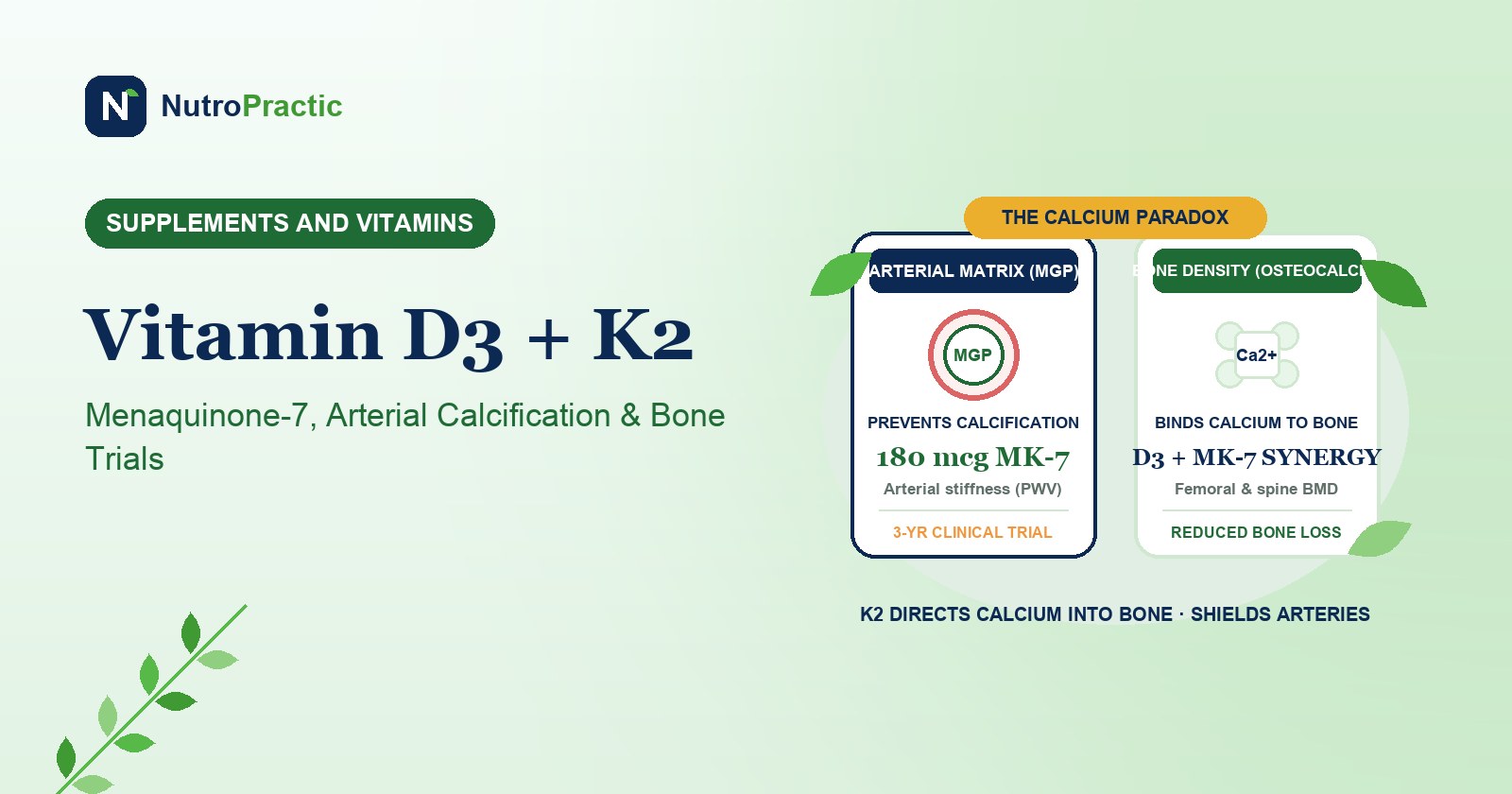
Vitamin D3 with K2: does adding menaquinone-7 actually protect arteries and bones in trials?
Vitamin D3 enhances intestinal calcium absorption, but without adequate vitamin K2, calcium can deposit in vascular walls instead of bone matrix. Clinical trials evaluating menaquinone-7 (MK-7) demonstrate improved carboxylation of Matrix Gla Protein, preserved arterial elasticity, and reduced bone mineral density loss. Discover what human clinical trials actually prove about cardiovascular calcification, bone density, MK-4 vs. MK-7 dosing, and critical drug interactions.
13 Nov 2026
Micronutrients
Iodine: the nutrient that plant-based milks and sea salt left out
Iodine runs the thyroid and builds a baby's brain, and in the UK, much of Europe and parts of North America women of childbearing age are now mildly short of it. The reason is often a healthy-looking swap: oat milk for dairy, sea salt for table salt. Where iodine comes from, who needs more, and the seaweed trap.
30 Oct 2026
Newsfeed for your website
Want this feed on your website?
Add it to any site with one copy-and-paste snippet. No sign-up, and it updates itself every hour.
Start with a virtual consultation
Tell Dr. Triveni what you want to change. You will leave with a clear next step, whether you are in Toronto, London, New York or Chennai.