Metabolic health & exercise · November 15, 2026
Where fat sat inside muscle tracked insulin sensitivity — but 12 weeks of lifestyle change barely moved it
Across three studies, muscle-fat location was strongly related to insulin sensitivity, yet weight loss, training and a single exercise session changed the cellular pattern inconsistently.
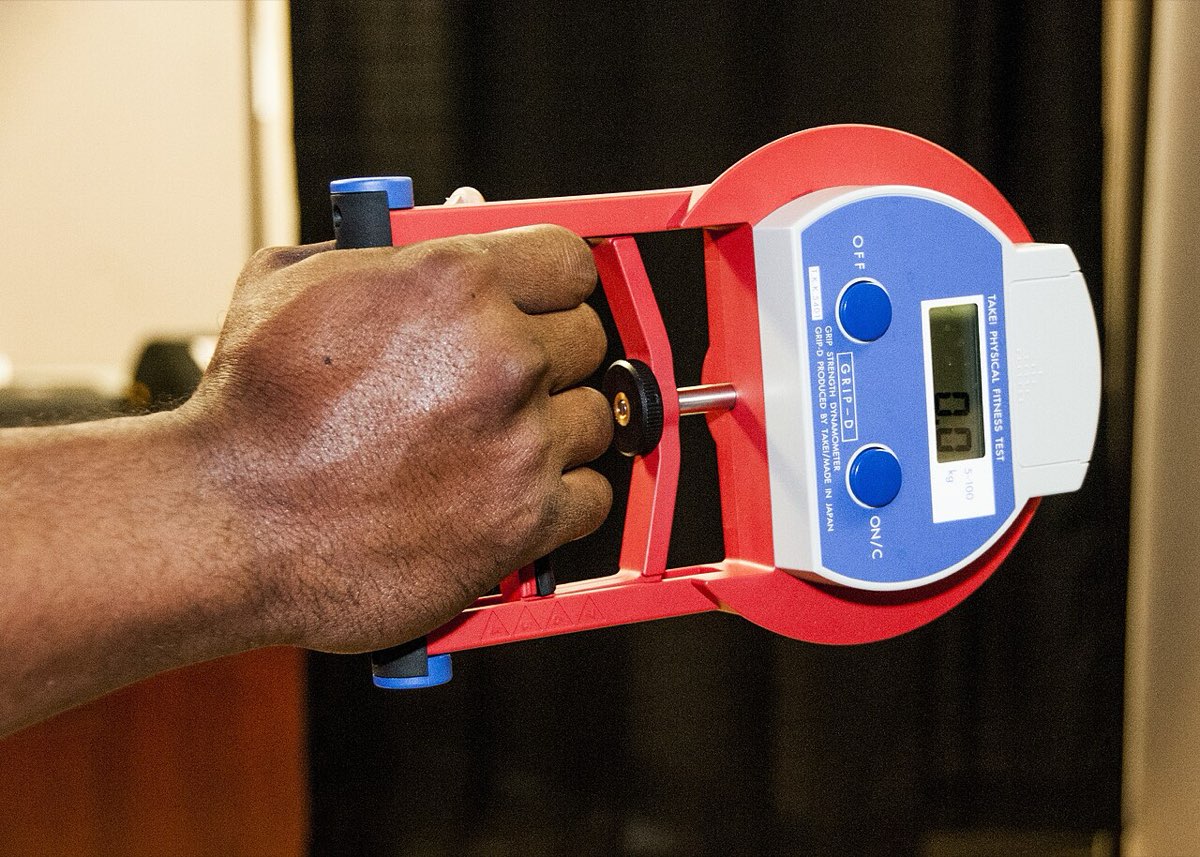
The amount of fat inside muscle tells only part of the insulin-resistance story. Researchers combined three studies to ask whether the cellular compartment holding a lipid might matter, and whether exercise or weight loss rearranges that pattern.
The chronic-intervention studies included 35 adults with obesity and normal glucose tolerance and 34 with prediabetes or type 2 diabetes. They completed 12 weeks of weight loss plus exercise, weight loss alone, exercise alone or delayed control. A separate acute study involved 20 endurance-trained athletes exercising for 90 minutes under different intensities and feeding conditions.
Muscle biopsies were separated into membrane, mitochondrial/endoplasmic-reticulum, cytosolic and nuclear fractions. Triacylglycerols were inversely associated with insulin sensitivity in every compartment. Ceramide associations differed by location, while one class of diacylglycerols was positively—not negatively—associated with insulin sensitivity in several compartments.
Neither the 12-week programmes nor one exercise session substantially rearranged these lipids. That does not mean exercise and weight loss failed: the paper focuses on a specialised biopsy endpoint. It suggests that these cellular patterns may need longer or larger changes, or may partly reflect earlier metabolic history.
Three-study muscle-biopsy analysis
35
Adults with obesity and normal glucose tolerance
34
Adults with prediabetes or type 2 diabetes
20
Endurance-trained athletes in the acute study
12 weeks
Duration of the chronic lifestyle interventions
Associations between compartment-specific lipids and insulin sensitivity do not show that moving a particular lipid would itself improve glucose control.
- Muscle cells store lipids in several compartments rather than in one uniform pool.
- Ceramides and diacylglycerols are families of molecules; their location and molecular species may change their biological meaning.
- The athlete experiment used 90 minutes of exercise at 50% or 70% of maximal oxygen uptake.
- A muscle biopsy is useful for research but is not a routine test for insulin resistance.
- Muscle Lipid Localization Relates to Insulin Sensitivity: Responses to Exercise and Weight Loss InterventionsThe Journal of Clinical Endocrinology & Metabolism / PubMed · Primary report combining three human studies, with participant groups, biopsy fractionation and lipid associations. Published 7 November 2026.
- AWC offers common sense approach to improving healthWikimedia Commons · Marcy Sanchez, US Army, public domain. General muscle assessment illustration.
General information, not medical advice. Exercise, weight-loss and diabetes plans should be tailored with a qualified healthcare professional.
Analysis by NutroPractic from the sources listed. Written for general readers; it does not replace advice from your own doctor.
From our articles
Our guides on this subject
Plain-language guides on nutrition and wellness, backed by research.
Diabetes
Type 2 diabetes remission through weight loss: what the DiRECT trial showed, and who it works for
Almost half of the people in one UK trial put their type 2 diabetes into remission in a year by losing weight. After five years it was 13%. What the trial did, why the amount of weight lost mattered more than the method, who it suits, and how to try it without hurting yourself.
11 Oct 2026

Healthy ageing
Creatine beyond the gym: what it does for older adults and women, and what it doesn't
Across 22 trials, adults in their late fifties to seventies who took creatine while doing resistance training gained about 1.4 kg more lean mass than those who trained without it. Two two-year trials found it did nothing for bone density after menopause. Where the evidence is solid, where it's early (memory, short nights), how much to take, and who should leave it alone.
10 Oct 2026

Women's health
Eating through menopause: what changes for your bones, muscle and heart, and what to put on the plate
Around the final period, bone density at the spine drops by about 2% a year and LDL cholesterol jumps within a year or two. Hot flushes get the attention, but these quieter changes are where food and strength training do the most. Targets for protein, calcium and vitamin D, an honest look at soy, and a week you can start on Monday.
8 Oct 2026
Newsfeed for your website
Want this feed on your website?
Add it to any site with one copy-and-paste snippet. No sign-up, and it updates itself every hour.
Start with a virtual consultation
Tell Dr. Triveni what you want to change. You will leave with a clear next step, whether you are in Toronto, London, New York or Chennai.