Micronutrients & musculoskeletal epidemiology · November 22, 2026
Low serum zinc concentration linked to 52% higher hazard of osteoporosis and pathological fracture in adults aged 50 and older in multicenter cohort
A multicenter propensity score-matched cohort study of electronic health records from the TriNetX Global Network found that adults aged 50 and older with low circulating zinc (<0.70 mcg/mL) had a 52% higher risk of newly recorded osteoporosis accompanied by pathological fracture over multi-year follow-up.
Osteoporosis and low-trauma fragility fractures represent a staggering clinical and socioeconomic burden among aging populations, precipitating chronic pain, permanent mobility loss, and elevated mortality. While bone mineral density management routinely prioritizes calcium, vitamin D, and antiresorptive pharmacotherapies, trace micronutrients play essential co-factor roles in the skeletal collagen matrix. Zinc, in particular, is abundant in bone tissue, serving as a required constituent of alkaline phosphatase and carbonic anhydrase.
To evaluate whether circulating zinc insufficiency predicts clinical fracture risk in routine practice, epidemiological researchers analyzed real-world clinical records from the multicenter TriNetX Global Collaborative Network. Investigators identified adults aged 50 years and older with documented serum zinc measurements, stratifying them into a low zinc cohort (<0.70 mcg/mL or <10.7 mcmol/L) and a matched normal zinc reference group. Researchers utilized rigorous propensity score matching to balance baseline demographics, comorbidities, medications, and nutritional co-factors.
Over landmark multi-year survival follow-up, adults with low baseline serum zinc exhibited a statistically significant 52% elevated hazard of newly recorded osteoporosis accompanied by pathological fracture (hazard ratio [HR] = 1.52). Secondary outcome analyses further identified elevated risks for site-specific fragility fractures, including pelvic and femoral neck fractures, as well as general osteoporotic diagnoses without fracture. Subgroup analyses demonstrated that severe zinc depletion showed an even stronger dose-response hazard for skeletal events.
At the cellular level, zinc stimulates osteoblast proliferation and collagen synthesis while directly inhibiting osteoclastic bone resorption through NF-kappaB pathway suppression. The study authors concluded that subclinical zinc deficiency represents an underappreciated and readily modifiable risk factor for osteoporotic fractures. The authors recommended routine screening of trace mineral levels in older adults with osteopenia and advocated for prospective clinical trials to test whether targeted zinc repletion improves skeletal outcomes.
Propensity score-matched cohort analysis of serum zinc and fracture hazards (TriNetX Network)
HR 1.52
Higher hazard for newly recorded osteoporosis with pathological fracture
< 0.70 mcg/mL
Clinical threshold defining hypozincemia in the primary study cohort
Aged 50+
Target demographic evaluated across multicenter health records
Elevated
Significantly increased hazards for femoral and pelvic fragility fractures
Multicenter propensity score-matched cohort study published in Frontiers in Nutrition (November 2026).
- Approximately 30% of total body zinc is stored within the skeletal system, where it forms an integral structural component of hydroxyapatite crystal lattices.
- Zinc is an indispensable cofactor for alkaline phosphatase, an enzyme synthesized by osteoblasts to mineralize bone matrix.
- Phytic acid in unrefined grains and legumes chelates dietary zinc in the digestive tract, significantly reducing intestinal bioavailability.
- Hypozincemia in older adults frequently stems from subclinical malabsorption, chronic diuretic usage, and decreased dietary intake of zinc-rich proteins.
- Association between low serum zinc concentration and newly recorded osteoporosis with pathological fracture among adults aged 50 years and olderFrontiers in Nutrition · Multicenter electronic health record propensity-matched cohort study. Published November 2026.
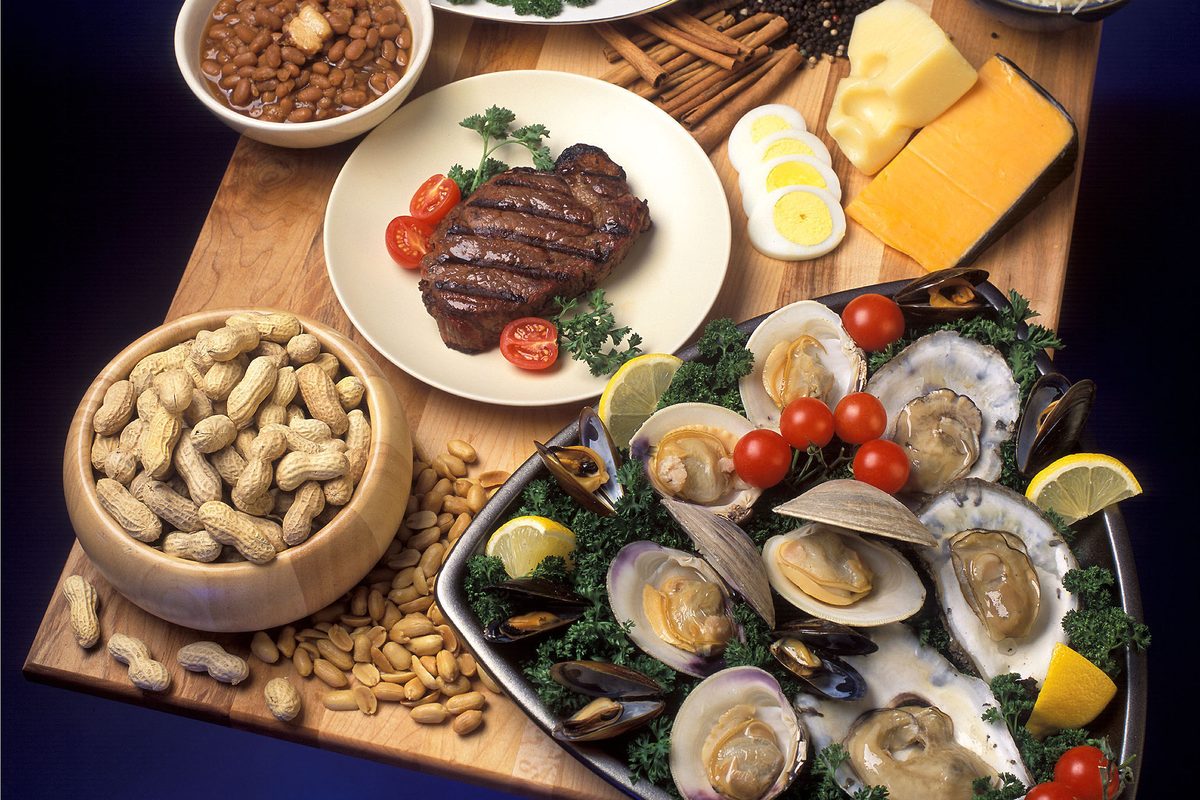
- ARS - Foods high in zincWikimedia Commons · Photo by Keith Weller, USDA ARS, public domain.
Educational summary of clinical trace mineral and bone health research. Older adults concerned about bone density should discuss comprehensive nutritional screening and medical evaluations with their primary care physician.
Analysis by NutroPractic from the sources listed. Written for general readers; it does not replace advice from your own doctor.
From our articles
Our guides on this subject
Plain-language guides on nutrition and wellness, backed by research.
Supplements and vitamins
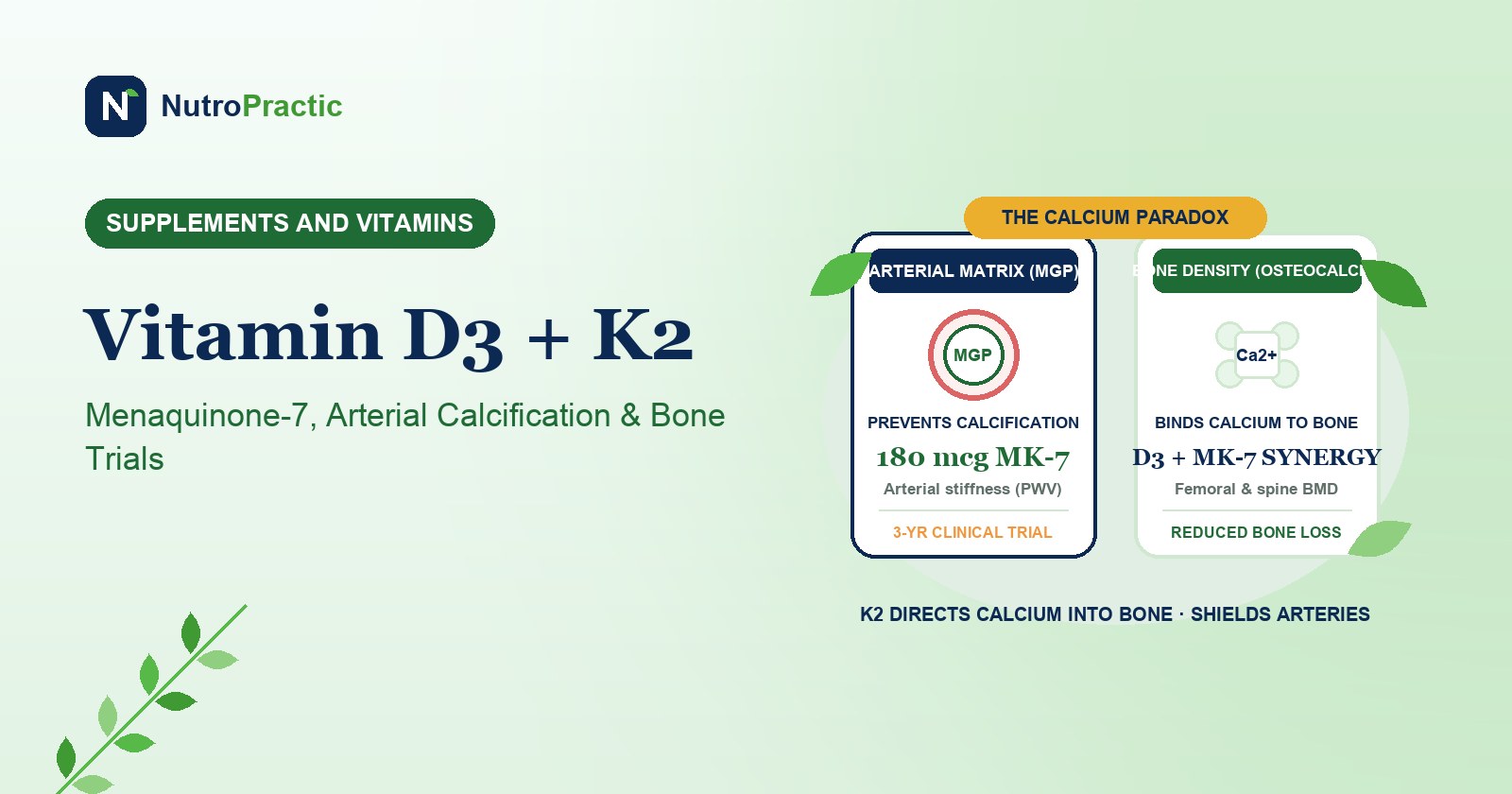
Vitamin D3 with K2: does adding menaquinone-7 actually protect arteries and bones in trials?
Vitamin D3 enhances intestinal calcium absorption, but without adequate vitamin K2, calcium can deposit in vascular walls instead of bone matrix. Clinical trials evaluating menaquinone-7 (MK-7) demonstrate improved carboxylation of Matrix Gla Protein, preserved arterial elasticity, and reduced bone mineral density loss. Discover what human clinical trials actually prove about cardiovascular calcification, bone density, MK-4 vs. MK-7 dosing, and critical drug interactions.
13 Nov 2026
Women's health
Eating through menopause: what changes for your bones, muscle and heart, and what to put on the plate
Around the final period, bone density at the spine drops by about 2% a year and LDL cholesterol jumps within a year or two. Hot flushes get the attention, but these quieter changes are where food and strength training do the most. Targets for protein, calcium and vitamin D, an honest look at soy, and a week you can start on Monday.
8 Oct 2026
Supplements and vitamins
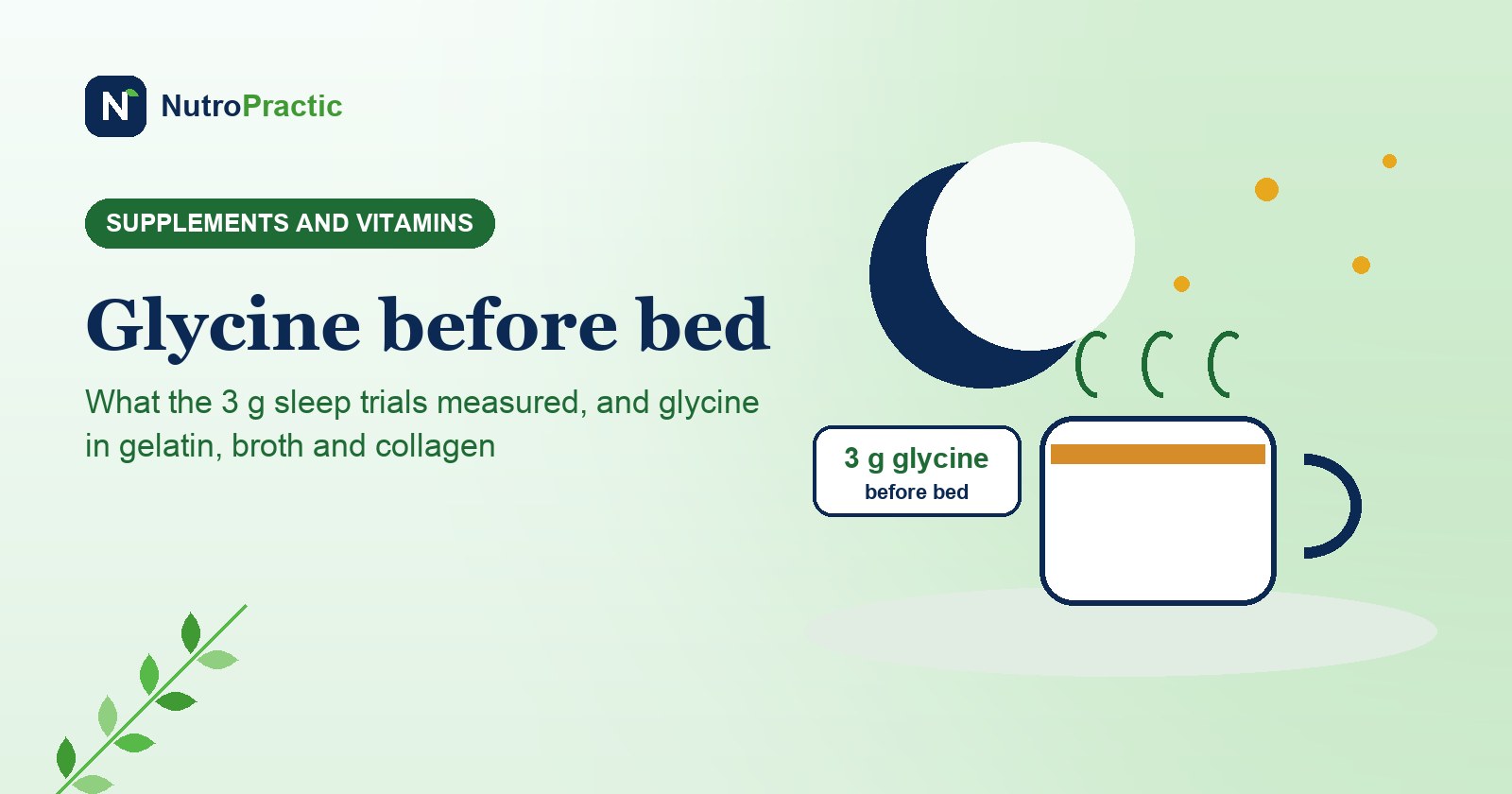
Glycine before bed: the 3 g sleep trials, what they measured, and glycine in gelatin, bone broth and collagen
The 3 g dose comes from small Japanese trials: the sleep-restriction study analysed seven men. Here is what each trial measured, the grams of gelatin, collagen, pork rinds and bone broth that hold 3 g, and the clozapine warning.
17 Nov 2026
Newsfeed for your website
Want this feed on your website?
Add it to any site with one copy-and-paste snippet. No sign-up, and it updates itself every hour.
Start with a virtual consultation
Tell Dr. Triveni what you want to change. You will leave with a clear next step, whether you are in Toronto, London, New York or Chennai.