Blood sugar · November 9, 2026
Instant brown rice modestly softened glucose peaks versus white rice in 28 people — and caused more fullness in the digestive-symptom group
The short crossover experiment hints that grain type and digestive function may shape the same meal differently, but its subgroup findings are exploratory.
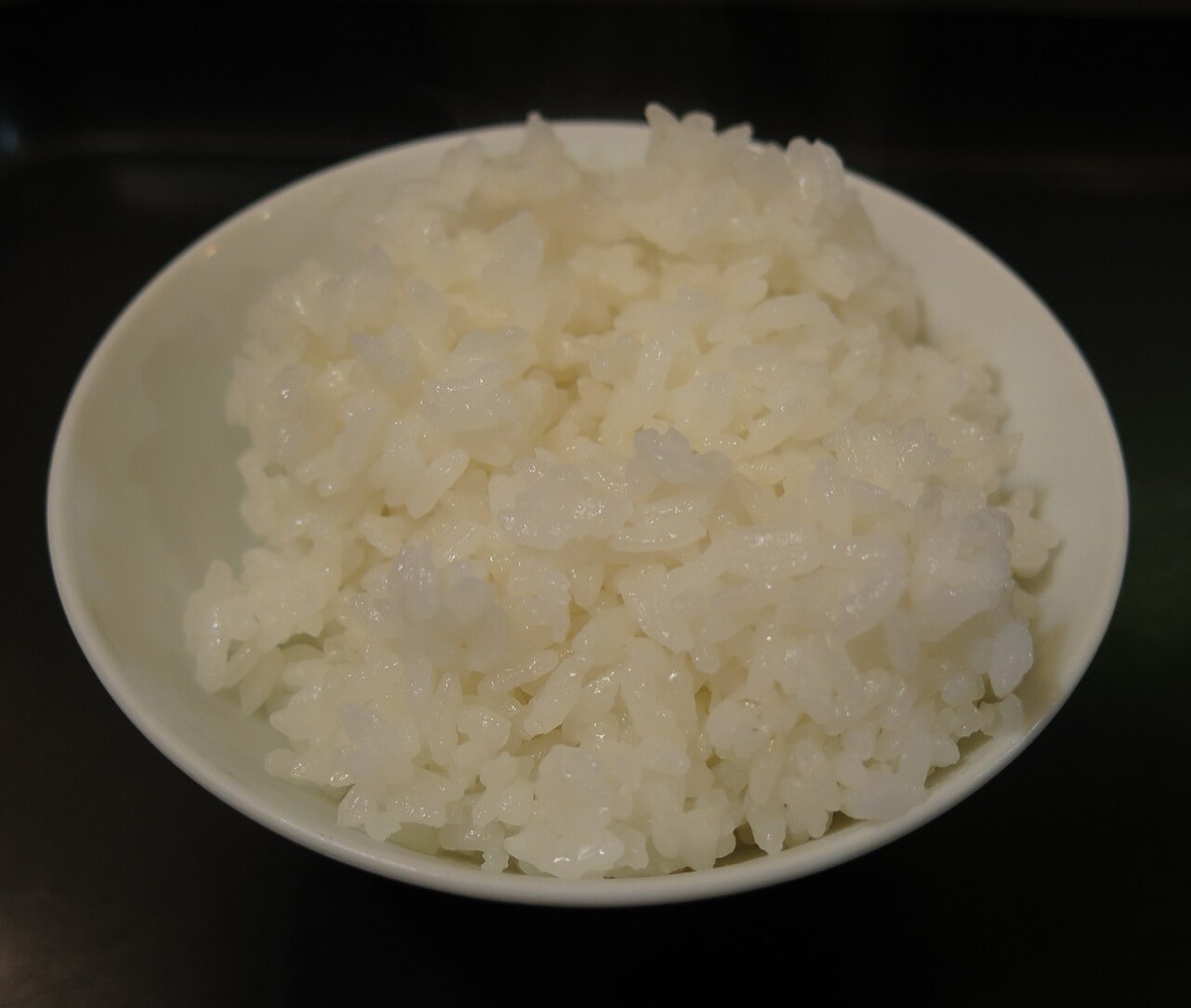
Researchers enrolled 28 adults: 15 with postprandial distress syndrome, a form of functional dyspepsia marked by bothersome fullness or early satiation after meals, and 13 healthy controls. Each person consumed instant white rice, instant brown rice and a glucose drink on separate days in random order, with one washout day between tests.
A sensor followed interstitial glucose for 210 minutes. Both rice meals produced lower glucose area, peak and excursion than the glucose solution. Brown rice produced a modestly lower peak and smaller largest glucose excursion than white rice. Meal responses differed statistically between the symptom and healthy groups; people with postprandial distress had a lower excursion but reported greater fullness after brown rice.
This was a small, acute feeding experiment, not a diabetes trial or a test of long-term eating. The abstract does not provide the size of every rice-to-rice difference, and analyses within groups of 15 and 13 can change with a few people. Brown rice may be a useful option, but greater fullness could matter to someone who already struggles to eat enough. The study supports a larger trial with rigorous symptom measures rather than a universal rule.
Three test meals in a small crossover
28
Participants who received every test meal
15 / 13
With postprandial distress syndrome / healthy controls
3 meals
Instant white rice, instant brown rice and glucose solution
210 min
Interstitial glucose monitoring after each meal
1 day
Washout between crossover meals
Randomized acute crossover trial. Brown-versus-white differences were described as modest, and symptom-group analyses were exploratory.
- Postprandial distress syndrome is defined by meal-related fullness or early satiation, not by a glucose diagnosis.
- Interstitial sensors measure glucose in fluid around cells, which can lag behind blood glucose.
- A crossover trial lets each participant act as their own comparison.
- Instant processing changes the physical structure of rice, so results may not apply to every brown or white rice.
- Effects of instant white rice, instant brown rice, and glucose solution on glycemic responses in individuals with and without postprandial distress syndrome: a randomized crossover trial with exploratory subgroup analysesFood & Function, 2 November 2026 · Primary crossover study; sample, meals, monitoring, glucose direction and symptom trade-off checked against the PubMed abstract.
- Bowl of white rice 01Wikimedia Commons · Douglas Perkins; CC0 public-domain dedication; general rice illustration only.
General information, not medical advice. People with diabetes, persistent meal-related fullness or unintended weight loss should seek individualized care rather than choosing foods from a single small meal test.
Analysis by NutroPractic from the sources listed. Written for general readers; it does not replace advice from your own doctor.
From our articles
Our guides on this subject
Plain-language guides on nutrition and wellness, backed by research.
Diabetes
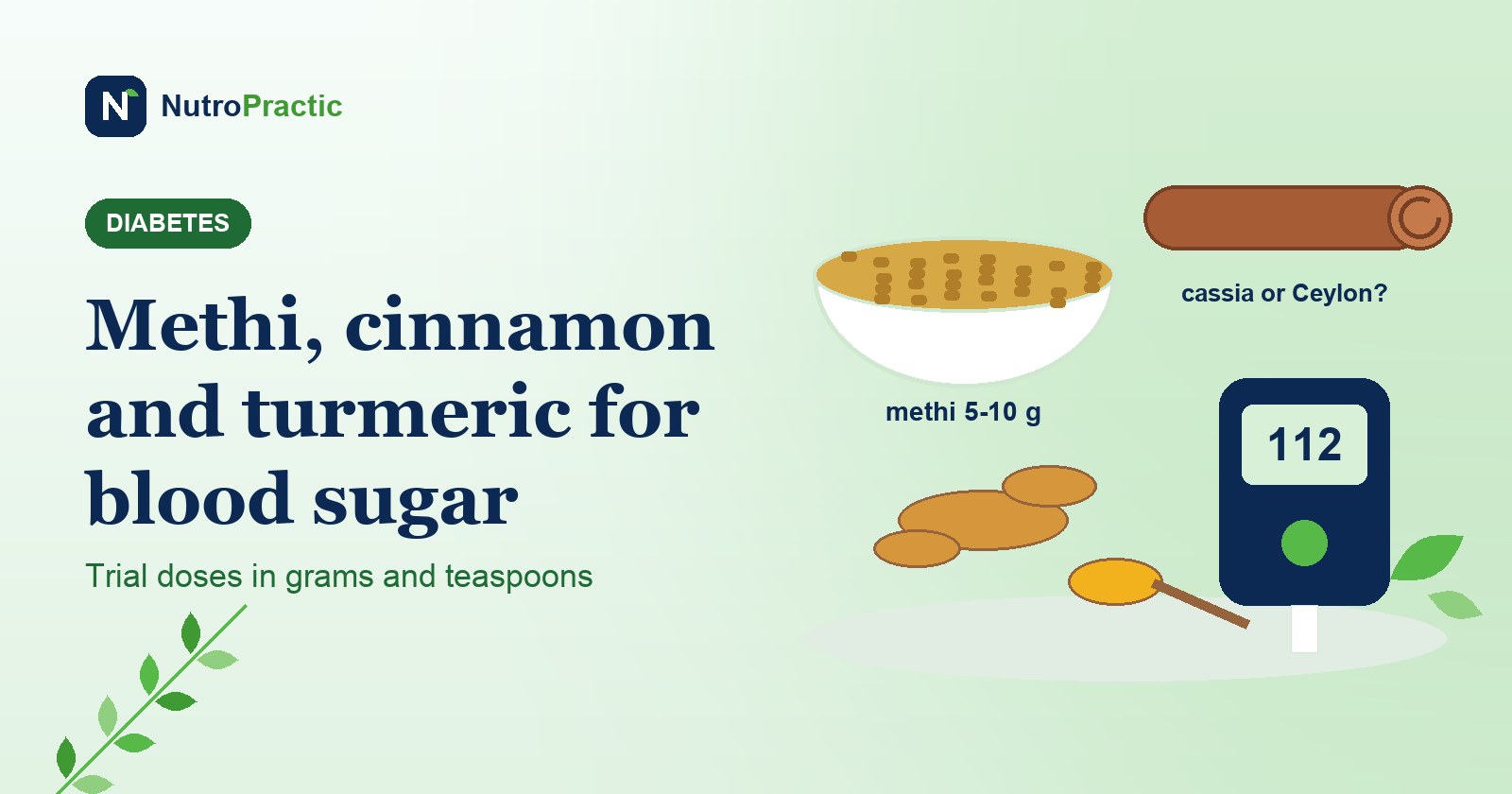
Fenugreek, cinnamon and turmeric for blood sugar: what the trials in an Indian kitchen measured
Fenugreek seed at 5-10 g a day lowered HbA1c by about 0.85 points in pooled trials, and in a 3-year Hyderabad study 23% went on to diabetes against 55%. Cinnamon trims fasting glucose by 15-25 mg/dL, but a teaspoon of cassia tops the coumarin limit. Curcumin: about 0.3-0.4 points, and rare liver injury from capsules. Doses in teaspoons, and a fair way to test it at home.
1 Nov 2026
Indian kitchen
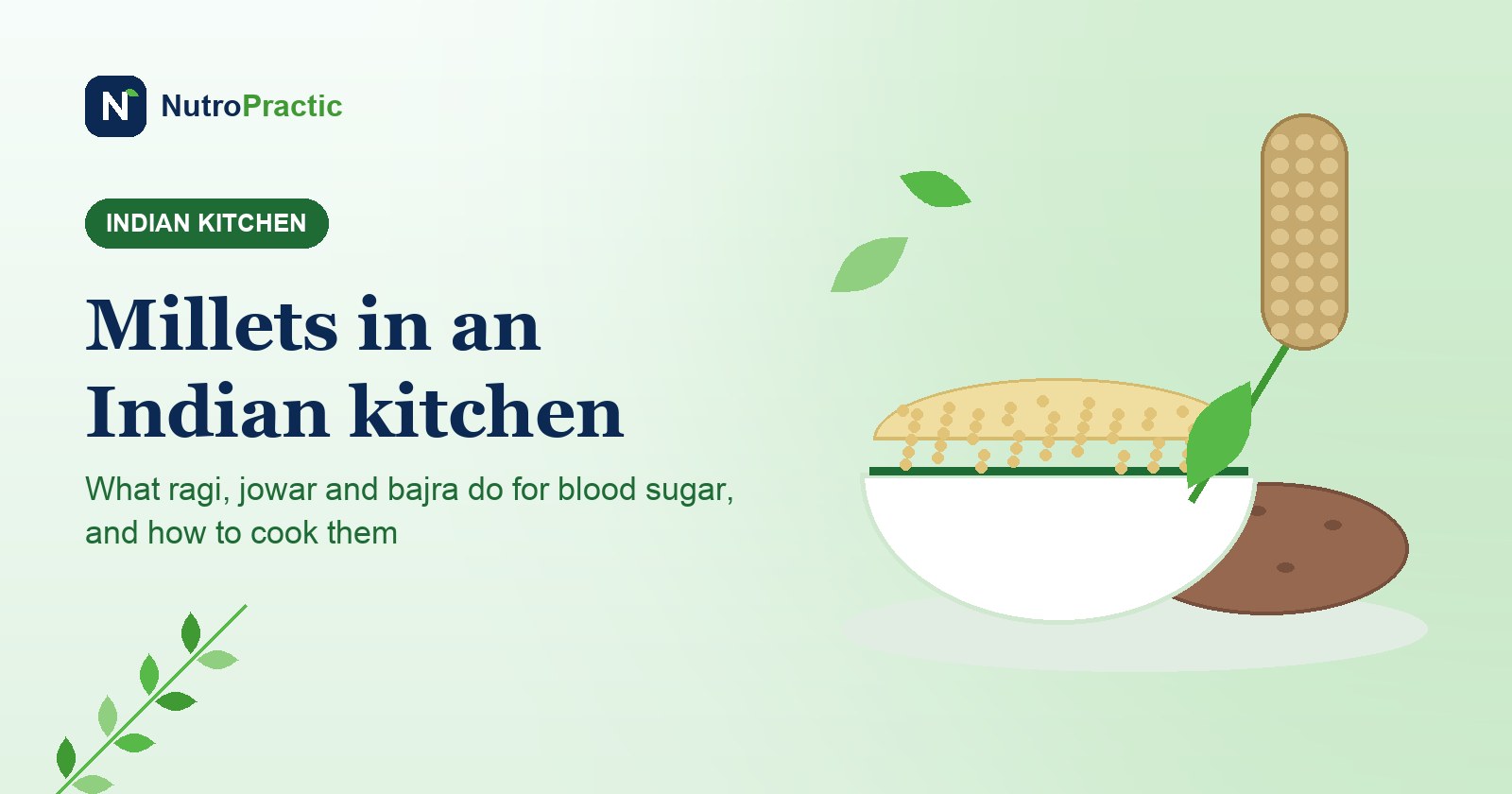
Millets in an Indian kitchen: what they do for blood sugar, and how to cook them
Ragi, jowar, bajra and the small millets are sold as the answer to diabetes. A meta-analysis of 65 studies says they help on average, but two Chennai studies found ragi meals no better than white rice and cooked foxtail millet with a GI of 89. What actually makes the difference, and how to cook each one so it does.
30 Oct 2026
Indian kitchen
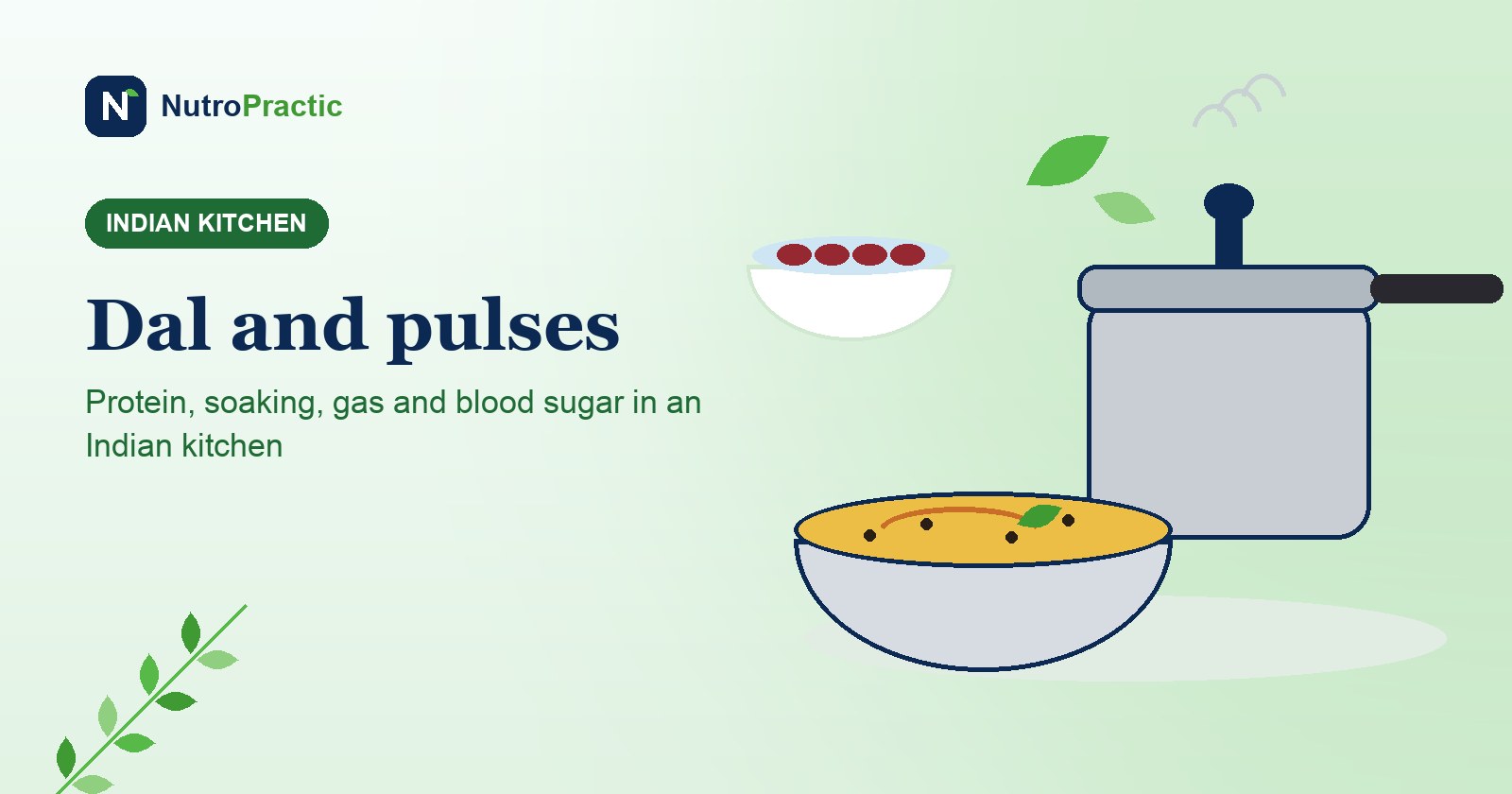
Dal and pulses in an Indian kitchen: protein, soaking, gas and blood sugar
A katori of dal gives about 6 to 10 g of protein, depending on how much raw dal goes in. What India's food tables and the ICMR-NIN 2024 guidelines say about rice with dal, how much soaking, sprouting and pressure cooking cut phytate and the sugars behind the gas, the GI of chana dal and rajma, raw rajma safety, and a worked plate for diabetes.
25 Oct 2026
Newsfeed for your website
Want this feed on your website?
Add it to any site with one copy-and-paste snippet. No sign-up, and it updates itself every hour.
Start with a virtual consultation
Tell Dr. Triveni what you want to change. You will leave with a clear next step, whether you are in Toronto, London, New York or Chennai.