Public health nutrition & food labelling policy · November 22, 2026
Australia's Health Star Rating gives over half of ultra-processed supermarket foods a positive score despite 2020 algorithm update
A systematic evaluation of Australian supermarket packaged foods found that while the updated Health Star Rating nutrient profiling model aligned reasonably well with dietary guidelines for fresh staples, 56% of ultra-processed foods still received moderate-to-high ratings, exposing loopholes where added fiber and protein offset high sugar and sodium.
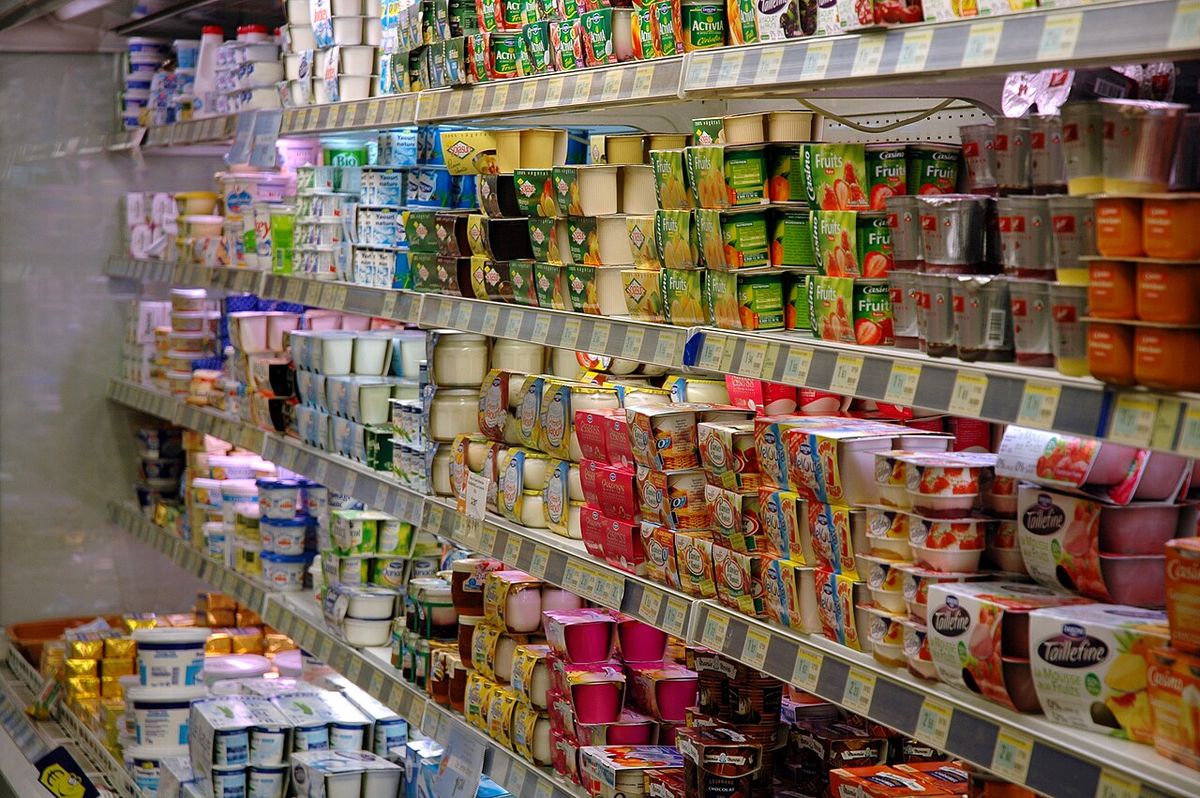
Front-of-pack nutrition labelling systems are intended to help consumers make rapid, informed, and healthier dietary choices in retail environments crowded with heavily processed foods. Australia and New Zealand's voluntary Health Star Rating (HSR) system scores packaged products from 0.5 to 5.0 stars based on an underlying Nutrient Profiling Model (NPM) that awards points for positive components (fiber, protein, fruit, vegetable, nut, and legume content) while penalizing risk nutrients (energy density, saturated fat, total sugars, and sodium). In 2020, policy authorities updated the algorithm specifically to penalize added sugars and refine dairy and beverage categories.
To critically assess whether the revised 2020 HSR model aligns with modern nutritional consensus, public health researchers conducted a comprehensive systematic analysis evaluating packaged food and beverage products across Australian supermarkets. The researchers benchmarked product star ratings against the core five-food-group recommendations of the Australian Dietary Guidelines (ADGs) and simultaneously cross-classified items using the globally recognized Nova food processing taxonomy, which categorizes products by industrial processing intensity.
The findings revealed a persistent disconnect between nutrient scoring and food processing levels. On one hand, the HSR model demonstrated good alignment with the ADGs: approximately 75% of products aligned consistently with dietary guideline designations, awarding higher scores (HSR ≥ 3.5) to core foods like plain oats, frozen legumes, and canned fish. However, alignment with Nova processing classifications remained profoundly compromised: 56% of ultra-processed foods (UPFs) achieved moderate-to-high scores (HSR ≥ 2.5), and more than one-third (36%) received a 'healthy' rating of 3.5 stars or higher.
The investigators explained that industrial food manufacturers readily exploit algorithm design loopholes: by reformulating ultra-processed snack bars, reconstituted cereals, and sweetened dairy desserts with isolated soy protein, chicory root inulin fiber, or synthetic micronutrients, products offset heavy penalties for free sugars and refined starches. The study authors concluded that future iterations of front-of-pack algorithms must incorporate explicit processing penalties and restrict positive nutrient offsets to prevent ultra-processed industrial formulations from donning an official 'health halo'.
Systematic performance of the 2020 updated Health Star Rating nutrient profiling model
75%
Supermarket products showing alignment between HSR and Australian Dietary Guidelines
56%
Ultra-processed foods (Nova group 4) achieving moderate-to-high ratings (HSR ≥ 2.5)
36%
Ultra-processed foods receiving an official 'healthy' star score of 3.5 stars or more
Nutrient offset
Added isolated fiber and protein routinely masked sugar and refined starch penalties
Systematic nutritional profiling analysis published in Nutrients (20 November 2026).
- The Health Star Rating system was first introduced in Australia in 2014 as a voluntary joint initiative between government, industry, and public health groups.
- Under the Nova classification, ultra-processed foods are industrial formulations made mostly or entirely from substances extracted from foods, containing additives and emulsifiers absent from home kitchens.
- Front-of-pack labels in Chile and Mexico use black octagonal warning seals ('High in Sugars', 'Excess Calories') rather than star ratings, completely eliminating positive nutrient offsets.
- Studies in consumer shopping psychology indicate that front-of-pack 'positive' stars on processed snacks increase parental purchase likelihood by up to 28% compared to unlabelled packaging.
- A Systematic Analysis of the 2020 Update of the Health Star Rating Nutrient Profiling ModelNutrients / MDPI · Systematic nutritional profiling and classification study. Published 20 November 2026.
- Yoghurts and desserts, Casino supermarketWikimedia Commons · Photo by DimiTalen, CC0 public domain dedication.
Educational analysis of front-of-pack food labelling policy. Shoppers should prioritize whole, minimally processed ingredients and read full ingredient panels rather than relying exclusively on front-of-pack rating badges.
Analysis by NutroPractic from the sources listed. Written for general readers; it does not replace advice from your own doctor.
From our articles
Our guides on this subject
Plain-language guides on nutrition and wellness, backed by research.
Everyday eating
Eating well on a tight food budget: what the cost studies found, and the cheapest protein and fibre per dollar
Healthier diets cost about $1.48 a person a day more, according to a meta-analysis of 27 studies. What the USDA's Thrifty Food Plan costs in 2026, our price check of protein and fibre per dollar at September 2026 prices, why frozen and tinned vegetables are not second best, and a batch-cooked stew at $1.40 a serving.
20 Oct 2026
Nutrition science
Ultra-processed foods: what the evidence says, and a realistic way to eat fewer
Ultra-processed foods now make up more than half of the calories eaten in the US and the UK. What counts as ultra-processed, what a landmark NIH trial and a 2024 BMJ review found, where the science is still uncertain, and simple swaps that don't require cooking everything from scratch.
3 Oct 2026

Women's health
Inositol for PCOS: the 40:1 ratio, trial doses, and food milligrams
Why do randomized trials in polycystic ovary syndrome prioritize the 40:1 myo to D-chiro inositol ratio? Here is the science behind the ovarian epimerase paradox, clinical ovulation and insulin metrics, and why cantaloupe cannot replace 4,000 mg trial powder.
21 Nov 2026
Newsfeed for your website
Want this feed on your website?
Add it to any site with one copy-and-paste snippet. No sign-up, and it updates itself every hour.
Start with a virtual consultation
Tell Dr. Triveni what you want to change. You will leave with a clear next step, whether you are in Toronto, London, New York or Chennai.