Gut microbiome & clinical geriatrics · November 20, 2026
Distinct gut microbial signatures separated frailty, tube-feeding, and dementia in nursing home residents
A clinical microbiome investigation in Japanese nursing home residents demonstrated that overlapping conditions like enteral tube feeding, malnutrition, and defecation disorders produce marked gut dysbiosis distinct from dementia alone.
Institutionalized older adults requiring substantial daily nursing care present with intricate combinations of cognitive decline, physical frailty, altered bowel motility, and nutritional compromise. While age-associated shifts in the gut microbiome have been documented in healthy elders, the specific microbial taxonomic signatures distinguishing complex clinical phenotypes in care facilities have remained poorly delineated.
To map these relationships, Japanese medical researchers profiled fecal microbiome specimens from older nursing home residents requiring high levels of long-term care. Participants were categorized into detailed clinical phenotypes based on cognitive status, presence of physical disability, defecation frequency, enteral tube feeding reliance, and objective nutritional scores.
High-throughput 16S rRNA sequencing revealed stark taxonomic and functional divergence across clinical subgroups. Residents presenting with multiple overlapping care needs—especially those receiving liquid enteral formulas or suffering from chronic constipation and malnutrition—exhibited pronounced depletion of short-chain fatty acid (SCFA)-producing anaerobes (such as Faecalibacterium and Bifidobacterium) alongside overgrowths of opportunistic pathobionts.
In contrast, residents with dementia who maintained oral feeding, regular bowel movements, and adequate nutritional intake preserved significantly greater microbial diversity. The authors highlight that tailored nutritional therapies—such as specialized prebiotic fiber mixtures and postbiotics—could provide targeted clinical benefits to improve gut barrier integrity and quality of life in long-term eldercare.
Microbiome characteristics across clinical eldercare phenotypes
16S rRNA
Next-generation sequencing profiling of fecal microbial taxonomy
Phenotypes
Detailed grouping by oral vs enteral feeding, dementia, and motility
SCFA Loss
Depletion of butyrate-producing commensals in tube-fed/malnourished cohort
Enteral Care
Strongest microbial disruption linked to liquid enteral diets and immobility
Cross-sectional clinical microbiome study in long-term care facility residents in Japan.
- Enteral liquid nutrition formulas lack the complex dietary fiber diversity found in whole foods, often depriving colonic bacteria of essential fermentable substrates.
- Short-chain fatty acids (SCFAs), including acetate, propionate, and butyrate, fuel colonocytes and maintain intestinal epithelial tight junctions.
- The gut-brain axis mediates bi-directional communication between enteric neurotransmitters and central nervous system cognition through the vagus nerve.
- Bowel transit time strongly shapes microbiome ecology; prolonged colonic stasis encourages proteolytic fermentation over beneficial saccharolytic fermentation.
- Clinical Phenotypes Associated with the Gut Microbiome in Older Japanese People with Care Needs in a Nursing HomeNutrients / MDPI · Clinical observational study of gut microbiota profiles across eldercare phenotypes. Published November 2024.
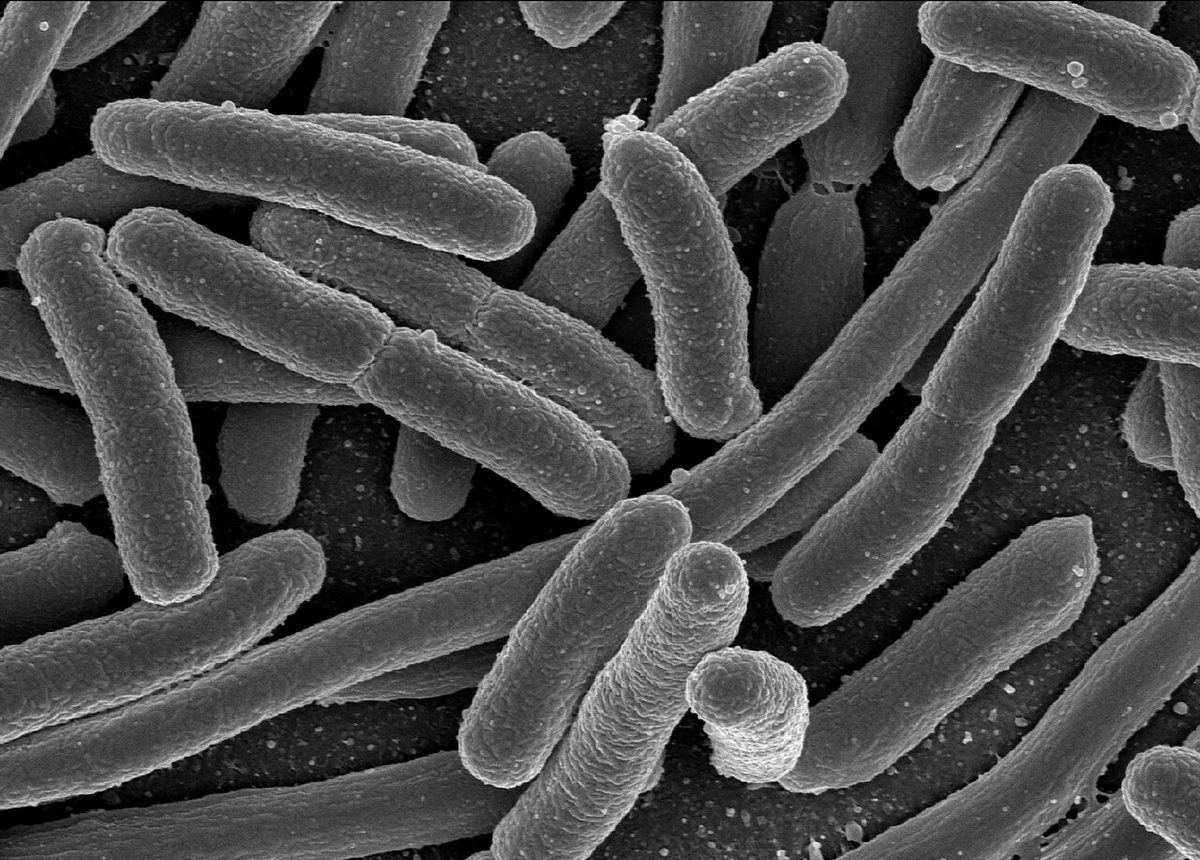
- E. coli BacteriaWikimedia Commons · Photo by NIAID, public domain dedication.
Scientific review of clinical microbiome research. Modifications to enteral feeding formulas or medical nutrition support should be guided by the medical team.
Analysis by NutroPractic from the sources listed. Written for general readers; it does not replace advice from your own doctor.
From our articles
Our guides on this subject
Plain-language guides on nutrition and wellness, backed by research.

Women's wellness and nutrition
Creatine for women: cognitive performance, menstrual cycle phases, and bone density beyond muscle building
Creatine is widely stereotyped as a bodybuilding supplement for men, but female physiology tells a very different story. Women exhibit 70% to 80% lower endogenous creatine stores, reduced dietary intake, and cyclical fluctuations in brain creatine kinase across the follicular and luteal phases. Robust clinical trials demonstrate that 3 to 5 grams of daily creatine monohydrate enhances cognitive performance during sleep deprivation, augments clinical response in unipolar depression, preserves femoral neck bone geometry in postmenopausal women, and causes cellular intracellular hydration rather than subcutaneous bloating.
13 Nov 2026
Healthy ageing
Creatine beyond the gym: what it does for older adults and women, and what it doesn't
Across 22 trials, adults in their late fifties to seventies who took creatine while doing resistance training gained about 1.4 kg more lean mass than those who trained without it. Two two-year trials found it did nothing for bone density after menopause. Where the evidence is solid, where it's early (memory, short nights), how much to take, and who should leave it alone.
10 Oct 2026

Food and nutrition
L-theanine and caffeine: what cognitive trials measured on sustained attention, and milligrams in matcha vs green tea
Combining L-theanine with caffeine produces clean focus without caffeine jitters. Here is what randomized trials measured on attention-switching, EEG alpha brain waves, and the exact milligrams across ceremonial matcha, culinary powder, gyokuro, and sencha.
20 Nov 2026
Newsfeed for your website
Want this feed on your website?
Add it to any site with one copy-and-paste snippet. No sign-up, and it updates itself every hour.
Start with a virtual consultation
Tell Dr. Triveni what you want to change. You will leave with a clear next step, whether you are in Toronto, London, New York or Chennai.