Clinical nutrition & renal health · November 23, 2026
Intravenous glutamine reduced acute kidney injury by 63% in infants undergoing cardiac surgery: double-blind RCT
In a randomized double-blind trial of 94 infants undergoing heart surgery with bypass, perioperative alanyl-glutamine lowered acute kidney injury from 40.4% to 14.9% and eliminated the need for postoperative peritoneal dialysis.
Acute kidney injury (AKI) represents one of the most frequent and life-threatening postoperative complications in pediatric cardiac surgery, occurring in 30% to 50% of infants undergoing corrective procedures with cardiopulmonary bypass (CPB). The pathogenesis involves severe ischemia-reperfusion injury, systemic inflammatory cascade activation, and acute intracellular depletion of conditionally essential amino acids. Glutamine serves as a critical substrate for renal ammoniagenesis, cellular glutathione synthesis, and heat shock protein induction, yet whether perioperative supplementation shields fragile infant kidneys has remained unproven.
Pediatric cardiac intensivists conducted a randomized, double-blind, placebo-controlled trial across an advanced surgical center, enrolling 94 infants and young children aged under 3 years scheduled for elective cardiac surgery requiring cardiopulmonary bypass. Patients were randomized 1:1 to receive either intravenous alanyl-glutamine dipeptide (0.4 g/kg/day) or an identical 0.9% normal saline placebo infusion.
The infusion protocol commenced at anesthesia induction and continued across 4 consecutive days (day of surgery plus the first 3 postoperative days). Renal function was meticulously tracked through continuous urine output monitoring, serial serum creatinine measurements, and hourly biomarker profiling using neutrophil gelatinase-associated lipocalin (NGAL).
Within 72 hours following surgery, KDIGO-defined acute kidney injury occurred in only 14.9% (7 of 47) of infants receiving glutamine, compared with 40.4% (19 of 47) in the placebo cohort—a statistically significant 63% relative risk reduction (p = 0.010). Furthermore, infants in the glutamine group experienced significantly lower postoperative NGAL concentrations, reduced loop diuretic requirements (6.4% vs. 23.4%, p = 0.040), and zero instances requiring postoperative peritoneal dialysis (0% vs. 12.8%, p = 0.026). The authors concluded that parenteral glutamine provides effective perioperative renoprotection during pediatric cardiopulmonary bypass.
Double-blind randomized trial of perioperative alanyl-glutamine in infants
94
infants and toddlers (<3 years) undergoing cardiac surgery randomized 1:1
14.9% vs 40.4%
incidence of KDIGO acute kidney injury within 72 h (p = 0.010)
0% vs 12.8%
infants requiring rescue peritoneal dialysis (p = 0.026)
0.4 g/kg/day
intravenous alanyl-glutamine dipeptide dose over 4 consecutive days
Randomized double-blind controlled trial published in Nutrients (Vol. 18, Issue 22, Article 3859, November 2026).
- Glutamine is conditionally essential during severe metabolic stress, trauma, and major surgery because consumption by immune cells and kidney tubules vastly outstrips endogenous muscle synthesis.
- Neutrophil gelatinase-associated lipocalin (NGAL) rises in urine and plasma within 2 to 4 hours of renal ischemic injury, serving as a renal troponin long before serum creatinine climbs.
- Cardiopulmonary bypass creates non-pulsatile blood flow and initiates systemic complement activation, making renal medullary tubules uniquely vulnerable to hypoxia.
- Effect of Perioperative Glutamine Supplementation on Acute Kidney Injury in Infants Undergoing Elective Cardiac Surgery: A Randomized Controlled TrialNutrients · Open-access randomized controlled clinical trial published November 2026.
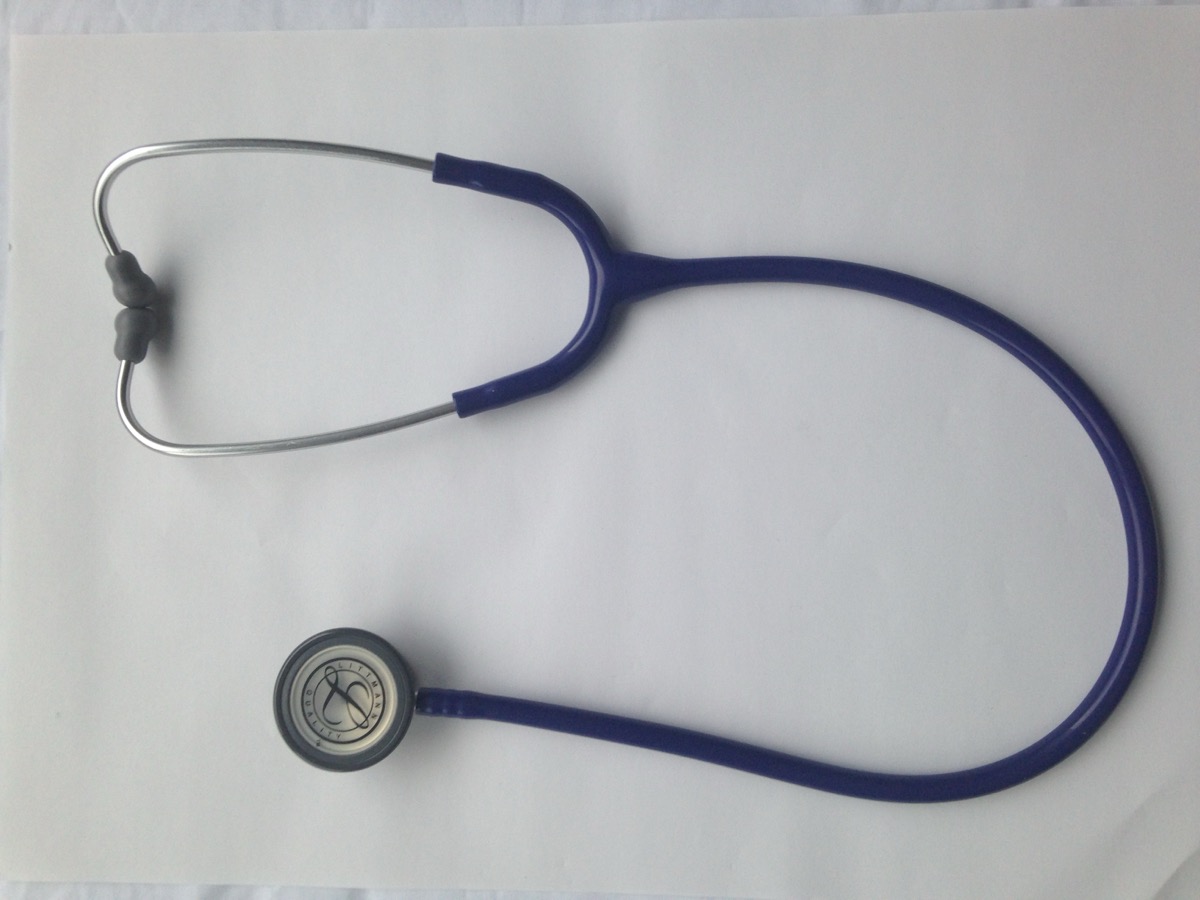
- File:Stethoscope.jpgWikimedia Commons · Photo by Daniel Foster, CC BY-SA 2.0.
Educational summary of nutrition research, not personal medical advice. Speak to your doctor or dietitian before changing your diet or supplements, especially if you are pregnant, take medicines or have a medical condition.
Analysis by NutroPractic from the sources listed. Written for general readers; it does not replace advice from your own doctor.
From our articles
Read, then eat a little better
Plain-language guides on nutrition and wellness, backed by research.

Women's health
Inositol for PCOS: the 40:1 ratio, trial doses, and food milligrams
Why do randomized trials in polycystic ovary syndrome prioritize the 40:1 myo to D-chiro inositol ratio? Here is the science behind the ovarian epimerase paradox, clinical ovulation and insulin metrics, and why cantaloupe cannot replace 4,000 mg trial powder.
21 Nov 2026

Everyday eating
Extra virgin olive oil polyphenols: the EU health claim, smoke point myths, and cooking stability
Does extra virgin olive oil degrade when cooked? What does the EU 5 mg polyphenol health claim require, how does oleocanthal act like ibuprofen, and why does oxidative stability matter more than smoke point in domestic frying? Here is the clinical and culinary data.
21 Nov 2026

Food and nutrition
L-theanine and caffeine: what cognitive trials measured on sustained attention, and milligrams in matcha vs green tea
Combining L-theanine with caffeine produces clean focus without caffeine jitters. Here is what randomized trials measured on attention-switching, EEG alpha brain waves, and the exact milligrams across ceremonial matcha, culinary powder, gyokuro, and sencha.
20 Nov 2026
Newsfeed for your website
Want this feed on your website?
Add it to any site with one copy-and-paste snippet. No sign-up, and it updates itself every hour.
Start with a virtual consultation
Tell Dr. Triveni what you want to change. You will leave with a clear next step, whether you are in Toronto, London, New York or Chennai.