Metabolic health & ancient grains · November 19, 2026
Freshly cooked millet at breakfast cut the blood sugar surge after lunch by 39%
A randomized crossover trial in 18 women found that eating fresh non-glutinous millet for breakfast lowered the glycemic surge of a standard lunch hours later, an effect driven by slowly digestible starch rather than resistant starch.
While refrigerating cooked starchy foods is well known to increase resistant starch and dampen immediate post-meal glucose spikes, nutrition scientists have increasingly turned their attention to the second-meal effect: how the carbohydrate composition of breakfast influences the body's glycemic control during subsequent meals eaten hours later. A study published in Nutrients explored how ancient grains like millet compare to conventional rice across different cooking and storage preparations.
Researchers conducted a randomized crossover trial enrolling 18 healthy adult female volunteers across eight distinct breakfast test arms. Participants consumed test breakfasts supplying 50 grams of available carbohydrates from fresh-cooked or refrigerated (4°C for 24 hours) non-glutinous and glutinous rice, as well as non-glutinous and glutinous millet varieties. Hours later, all participants consumed an identical standardized lunch while investigators tracked continuous blood glucose and insulin dynamics.
Refrigeration successfully reduced initial postprandial glycemic spikes for both rice and non-glutinous millet during the morning meal, as anticipated from retrograded resistant starch formation. However, when evaluating glycemic responses to the subsequent lunch, fresh-cooked non-glutinous millet produced a dramatic second-meal benefit: participants exhibited a 39.1% lower incremental blood glucose area under the curve compared to those who consumed fresh white rice.
In vitro starch digestion assays confirmed that this afternoon glycemic stabilization was independent of resistant starch content. Instead, fresh-cooked millet naturally exhibited the highest proportion of slowly digestible starch (64.8%) among all samples, releasing glucose at a steady, sustained pace. The findings indicate that ancient millets provide prolonged metabolic advantages across multiple daily meals without requiring specialized cooling or preparation methods.
Second-meal glycemic outcomes and starch fractions of fresh-cooked millet
18
Healthy female adults in the randomized crossover trial
-39.1%
Reduction in lunch blood glucose iAUC after fresh millet vs rice
64.8%
Slowly digestible starch proportion in fresh-cooked millet
8
Distinct grain and storage breakfast arms evaluated
Randomized crossover trial evaluating 50 g carbohydrate test meals followed by a standardized lunch. Fresh non-glutinous millet outperformed refrigerated grains for afternoon glycemic control.
- The 'second-meal effect' describes how the macronutrient profile of breakfast modulates glycemic and insulin sensitivity at lunch.
- Refrigerating cooked starchy carbohydrates encourages retrogradation, forming crystalline resistant starch that resists small-intestine enzymes.
- Slowly digestible starch is fully absorbed in the small intestine but at a gradual, attenuated rate that prevents sharp blood sugar peaks.
- Millets are nutrient-dense ancient grains that naturally contain a higher ratio of slowly digestible starches and bioactive polyphenols than polished rice.
- Fresh-Cooked but Not Cold-Stored Millet Exhibited Remarkable Second Meal Effect Independent of Resistant Starch: A Randomized Crossover TrialNutrients / MDPI · Randomized crossover trial in 18 healthy adults. Published November 2026.
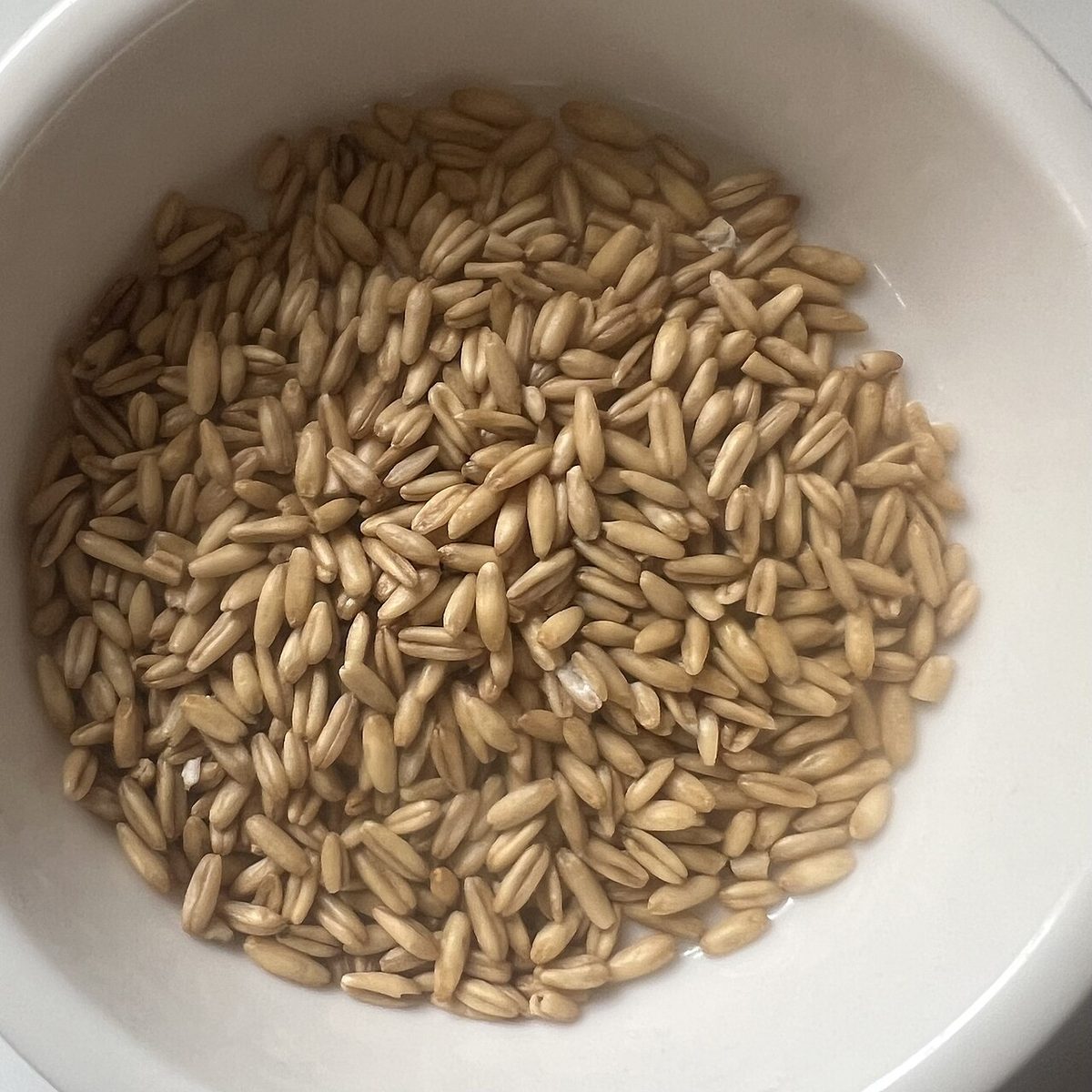
- Uncooked oat groatsWikimedia Commons · Photo by Acsenray, CC0 public domain dedication.
General nutrition and metabolic research summary, not personalized medical or dietary advice. Individuals managing diabetes should monitor personal glucose responses when introducing new grain staples.
Analysis by NutroPractic from the sources listed. Written for general readers; it does not replace advice from your own doctor.
From our articles
Our guides on this subject
Plain-language guides on nutrition and wellness, backed by research.
Diabetes
Fenugreek, cinnamon and turmeric for blood sugar: what the trials in an Indian kitchen measured
Fenugreek seed at 5-10 g a day lowered HbA1c by about 0.85 points in pooled trials, and in a 3-year Hyderabad study 23% went on to diabetes against 55%. Cinnamon trims fasting glucose by 15-25 mg/dL, but a teaspoon of cassia tops the coumarin limit. Curcumin: about 0.3-0.4 points, and rare liver injury from capsules. Doses in teaspoons, and a fair way to test it at home.
1 Nov 2026
Indian kitchen
Millets in an Indian kitchen: what they do for blood sugar, and how to cook them
Ragi, jowar, bajra and the small millets are sold as the answer to diabetes. A meta-analysis of 65 studies says they help on average, but two Chennai studies found ragi meals no better than white rice and cooked foxtail millet with a GI of 89. What actually makes the difference, and how to cook each one so it does.
30 Oct 2026
Indian kitchen
Dal and pulses in an Indian kitchen: protein, soaking, gas and blood sugar
A katori of dal gives about 6 to 10 g of protein, depending on how much raw dal goes in. What India's food tables and the ICMR-NIN 2024 guidelines say about rice with dal, how much soaking, sprouting and pressure cooking cut phytate and the sugars behind the gas, the GI of chana dal and rajma, raw rajma safety, and a worked plate for diabetes.
25 Oct 2026
Newsfeed for your website
Want this feed on your website?
Add it to any site with one copy-and-paste snippet. No sign-up, and it updates itself every hour.
Start with a virtual consultation
Tell Dr. Triveni what you want to change. You will leave with a clear next step, whether you are in Toronto, London, New York or Chennai.