Weight management & clinical nutrition · November 20, 2026
An 8-week diet using real food cut 10.8% body weight without relying on commercial meal replacement shakes
A pilot clinical trial in adults with obesity found that an 800 kcal/day very-low-energy diet made entirely of ordinary home-cooked groceries achieved 100% completion, an average 10.8% weight loss, and marked drops in blood pressure and LDL.
Very-low-energy diets (VLEDs) producing under 800 to 1,000 kilocalories daily are clinically proven to induce rapid weight loss and type 2 diabetes remission. However, almost all formal clinical VLED protocols rely exclusively on commercial powdered meal replacements, shakes, and protein bars. Many patients find total product diets monotonous, socially isolating, or financially unsustainable, prompting Australian researchers to test a whole-food alternative.
In a prospective single-arm intervention published in Nutrients, researchers from the University of Melbourne recruited adults with obesity meeting standard medical criteria for VLED therapy. Participants undertook an 8-week program targeting 800 kcal per day (with allowable flexibility up to 1,000 kcal), constructed entirely from ordinary foods bought at supermarkets and prepared at home, guided by fortnightly consultations with a registered dietitian and electronic food logging.
Feasibility and retention were remarkably high: 100% of participants completed the full 8-week intervention, attended all scheduled clinical check-ins, and maintained consistent dietary logging. Acceptability scores met pre-specified clinical benchmarks in 90% of questionnaire items, demonstrating that participants tolerated preparing fresh low-calorie meals far better than clinicians initially anticipated.
Clinically, 90% of participants achieved the standard benchmark of at least 5% weight loss, with the cohort averaging a 10.8% total reduction in body weight. Patients also experienced meaningful improvements in waist circumference, resting systolic and diastolic blood pressure, and total and LDL cholesterol, with mild transient side effects. The authors conclude that food-based VLEDs are viable clinical alternatives for patients who refuse or dislike processed formula shakes.
Clinical outcomes of an 8-week food-based very-low-energy diet (800 kcal/day)
100%
Participant completion rate across the 8-week intervention
10.8%
Mean total body weight reduction across the cohort
90%
Share of participants achieving greater than 5% weight loss
800 kcal
Target daily caloric intake using everyday supermarket groceries
Prospective single-arm clinical pilot study evaluating feasibility, retention, safety, and metabolic outcomes of a whole-food VLED.
- Very-low-energy diets typically provide under 800 kcal per day to rapidly deplete glycogen stores and initiate mild ketosis.
- Traditional commercial meal replacements provide fortified micronutrients, which food-based VLED protocols must replicate through careful dietary planning.
- Achieving a 10% weight loss is associated with significant improvements in non-alcoholic fatty liver disease, sleep apnea, and glycemic control.
- Fortnightly dietitian consultations played a vital role in providing tailored recipe adaptations and grocery budgeting strategies.
- The Feasibility and Acceptability of a Pragmatic Food-Based Very-Low-Energy Intervention in Adults with Obesity: A Pilot Single-Arm Intervention StudyNutrients / MDPI · Pilot intervention study evaluating an 8-week food-based VLED in adults with obesity. Published 13 November 2026.
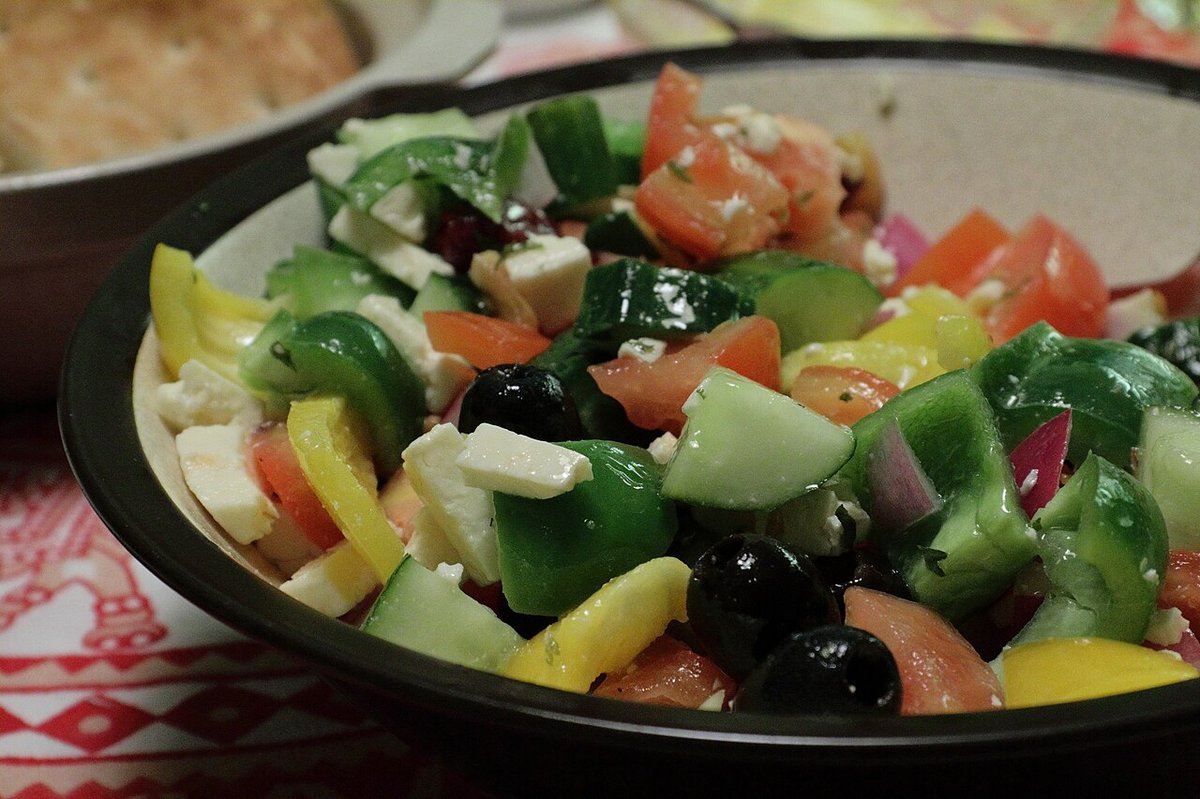
- Greek SaladWikimedia Commons · Photo by Geoff Peters, CC BY 2.0.
Educational review of obesity medicine research. Very-low-energy diets (under 1,000 kcal/day) require close medical supervision and dietitian oversight to prevent nutrient deficiencies and gallstone formation.
Analysis by NutroPractic from the sources listed. Written for general readers; it does not replace advice from your own doctor.
From our articles
Read, then eat a little better
Plain-language guides on nutrition and wellness, backed by research.

Women's health
Inositol for PCOS: the 40:1 ratio, trial doses, and food milligrams
Why do randomized trials in polycystic ovary syndrome prioritize the 40:1 myo to D-chiro inositol ratio? Here is the science behind the ovarian epimerase paradox, clinical ovulation and insulin metrics, and why cantaloupe cannot replace 4,000 mg trial powder.
21 Nov 2026

Everyday eating
Extra virgin olive oil polyphenols: the EU health claim, smoke point myths, and cooking stability
Does extra virgin olive oil degrade when cooked? What does the EU 5 mg polyphenol health claim require, how does oleocanthal act like ibuprofen, and why does oxidative stability matter more than smoke point in domestic frying? Here is the clinical and culinary data.
21 Nov 2026

Food and nutrition
L-theanine and caffeine: what cognitive trials measured on sustained attention, and milligrams in matcha vs green tea
Combining L-theanine with caffeine produces clean focus without caffeine jitters. Here is what randomized trials measured on attention-switching, EEG alpha brain waves, and the exact milligrams across ceremonial matcha, culinary powder, gyokuro, and sencha.
20 Nov 2026
Newsfeed for your website
Want this feed on your website?
Add it to any site with one copy-and-paste snippet. No sign-up, and it updates itself every hour.
Start with a virtual consultation
Tell Dr. Triveni what you want to change. You will leave with a clear next step, whether you are in Toronto, London, New York or Chennai.