Lifestyle nutrition & cardiovascular health · November 27, 2026
Energy drink consumption survey of 1,038 students links moderate monthly intake to palpitations and insomnia, with non-monotonic findings
A cross-sectional survey of 1,038 university students in Croatia and Bosnia and Herzegovina quantified caffeine and taurine exposure from energy drinks. While moderate monthly intake (1 to 4 liters) was associated with doubled odds of subjective heart rate acceleration and insomnia, heavier intake over 4 liters showed nonsignificant contrasts, pointing to exploratory and non-monotonic relationships.
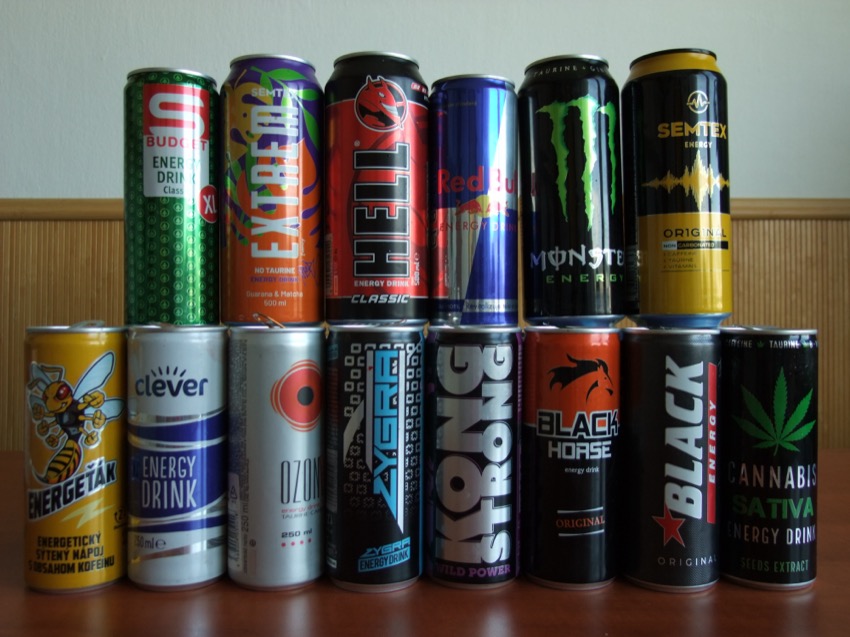
Highly caffeinated energy drinks containing taurine and B-complex vitamins are commonly used by university students seeking to counteract sleep deficits and study demands. While acute excessive caffeine intake can cause adverse physiological effects, epidemiological data examining quantified monthly exposure, post-consumption complaints, and standardized anxiety scales in European student cohorts have remained limited.
In a cross-sectional study published in Nutrients, Mara Mustapić, Željka Karin, Josip Šimić, and Azra Hodžić surveyed 1,038 university students across academic institutions in Bosnia and Herzegovina and Croatia. Exposure was calculated using standard concentrations of 32 mg caffeine and 400 mg taurine per 100 mL, and anxiety was measured with the State-Trait Anxiety Inventory (STAI).
Overall, 43.3% of respondents reported never consuming energy drinks, 48.8% reported occasional use, and 7.9% reported regular use, with a median daily caffeine exposure of 5.33 mg and taurine exposure of 66.67 mg. Among 580 participants in primary multivariable models, consuming between 1 and 4 liters monthly compared to under 1 liter was linked to increased odds of subjective elevated heart rate (aOR 2.11, 95% CI: 1.33–3.40), insomnia (aOR 2.16, 95% CI: 1.32–3.51), and nervousness (aOR 2.39, 95% CI: 1.41–4.00).
However, the corresponding associations for students consuming more than 4 liters monthly were statistically nonsignificant, demonstrating an exploratory, non-monotonic pattern. Furthermore, regular consumers exhibited higher chronic trait anxiety scores (+4.98 points, n = 863) than non-users, while temporary situational state anxiety during exams showed no significant association. The authors emphasized that cross-sectional survey data cannot demonstrate causality and that monthly equivalents may reflect episodic rather than steady annual consumption.
Cross-sectional survey of energy drink exposure and adverse symptoms in 1,038 students
1,038
university students surveyed regarding monthly energy drink volume and symptoms
aOR 2.11
adjusted odds ratio for subjective heart rate acceleration with >1–4 L monthly intake (95% CI: 1.33–3.40)
Nonsignificant
symptom contrast for >4 L monthly intake, demonstrating non-monotonic associations
+4.98 Points
higher baseline trait anxiety (STAI-T) in regular users, while state anxiety showed no link
Cross-sectional epidemiological survey published in Nutrients, November 2026 (doi: 10.3390/nu18233920).
- Most commercial energy drinks provide 32 mg of caffeine and 400 mg of taurine per 100 mL, equivalent to 80 mg caffeine in a standard 250 mL can.
- Non-monotonic dose-response relationships in survey research can occur when high-volume users possess unmeasured tolerance or when sample sizes at upper consumption tiers diminish statistical power.
- The State-Trait Anxiety Inventory distinguishes between acute situational tension (state) and persistent general anxiety tendencies (trait).
- Energy-Drink Consumption and Associated Adverse Health Effects Among University Students in Croatia and Bosnia and Herzegovina: A Cross-Sectional StudyNutrients · Cross-sectional study by Mara Mustapić, Željka Karin, Josip Šimić, and Azra Hodžić. Published 24 November 2026.
- File:Energy drinks of various brands.jpgWikimedia Commons · Photo by Oto Zapletal, CC BY-SA 4.0.
Educational summary of nutrition research, not personal medical advice. Speak to your doctor or dietitian before changing your diet or supplements, especially if you are pregnant, take medicines or have a medical condition.
Analysis by NutroPractic from the sources listed. Written for general readers; it does not replace advice from your own doctor.
From our articles
Our guides on this subject
Plain-language guides on nutrition and wellness, backed by research.
Heart health
Coffee and your heart: what the trials found on rhythm, blood pressure and sleep
For years people with palpitations or atrial fibrillation were told to give up coffee. Two randomised trials and cohorts of half a million people now point the other way, with three real exceptions: sleep, very high blood pressure and how the coffee is brewed.
30 Oct 2026
Lifestyle
Food and sleep: what the trials found on late meals, kiwis, milk and caffeine
The foods with the biggest effect on sleep are the ones that take it away: coffee too late, a nightcap and a heavy dinner just before bed. The famous sleepy foods (kiwis, tart cherries, warm milk) rest on small studies. Here is what each one found, and an evening routine built on the parts that hold up.
15 Oct 2026
Supplements and vitamins
Glycine before bed: the 3 g sleep trials, what they measured, and glycine in gelatin, bone broth and collagen
The 3 g dose comes from small Japanese trials: the sleep-restriction study analysed seven men. Here is what each trial measured, the grams of gelatin, collagen, pork rinds and bone broth that hold 3 g, and the clozapine warning.
17 Nov 2026
Newsfeed for your website
Want this feed on your website?
Add it to any site with one copy-and-paste snippet. No sign-up, and it updates itself every hour.
Start with a virtual consultation
Tell Dr. Triveni what you want to change. You will leave with a clear next step, whether you are in Toronto, London, New York or Chennai.