Pediatric neurology & infant nutrition · November 21, 2026
Brain iron depletion precedes clinical anemia in infancy, making early intervention timing decisive for neurodevelopment
A critical narrative review of pediatric neurodevelopment reveals that neural iron depletion occurs before systemic anemia is clinically detected, explaining why delayed iron supplementation in infants often fails to reverse early cognitive and behavioral deficits.
Iron is an indispensable micronutrient during early human development, functioning as a vital cofactor for oligodendrocyte differentiation, myelin sheath synthesis, monoamine neurotransmitter production, and hippocampal dendritic arborization. While the clinical dangers of severe iron deficiency anemia are widely recognized, substantial ambiguity has surrounded the exact therapeutic window during infancy when nutritional iron interventions can successfully protect or rescue neurodevelopmental trajectories.
Observational birth cohorts consistently link infant iron deficiency to persistent deficits in motor control, auditory brainstem responses, cognitive flexibility, and executive function lasting into adolescence. Yet paradoxically, randomized controlled trials administering iron supplementation after six months of age have frequently yielded null or equivocal neurodevelopmental benefits, presenting a perplexing contradiction in pediatric clinical literature.
To resolve this discordance, pediatric neurology and nutrition specialists conducted a narrative review synthesizing neuroimaging, neurochemical, and clinical trial evidence. Their analysis revealed that the developing brain undergoes rapid iron depletion well before systemic hemoglobin concentrations drop to diagnostic anemia thresholds, meaning standard pediatric hemoglobin screenings detect iron insufficiency far too late.
Furthermore, the review highlighted that preventive interventions initiated during early neonatal windows—such as delayed umbilical cord clamping at birth and targeted iron supplementation starting around six weeks in vulnerable preterm or low-birth-weight infants—confer robust neurodevelopmental protection. In contrast, interventions delayed until eight or twelve months of age miss critical myelination windows, emphasizing the paramount importance of early biomarker screening (such as serum ferritin and reticulocyte hemoglobin) over reactive treatment of overt anemia.
Neurodevelopmental timing and biomarker thresholds in early-life iron deficiency
Precedes anemia
Cerebral iron depletion occurs prior to systemic hemoglobin decline
6 weeks
Early proactive supplementation window providing highest neuroprotective efficacy
Myelination
Critical neurodevelopmental process requiring iron-dependent oligodendrocytes
Ferritin & Ret-He
Sensitive biomarkers detecting pre-anemic cellular iron deficiency in infants
Narrative review evaluating neurodevelopmental outcomes, intervention windows, and biomarker detection in early-life infant iron deficiency.
- Oligodendrocytes, the glial cells that produce the brain's myelin insulation, contain the highest concentration of iron of any brain cell type.
- Delayed umbilical cord clamping for just 60 to 180 seconds provides a newborn with a 30% boost in blood volume and 4 to 6 months of iron stores.
- Hemoglobin screening alone misses up to half of infants experiencing pre-anemic tissue iron deficiency.
- Iron acts as an essential cofactor for tyrosine hydroxylase, the rate-limiting enzyme in dopamine synthesis.
- Iron Deficiency in Early Life and Neurodevelopment: Timing of Intervention, Target Population and Detection—A Narrative ReviewNutrients / MDPI · Narrative review of pediatric neurodevelopment and clinical trials. Published 17 November 2026.
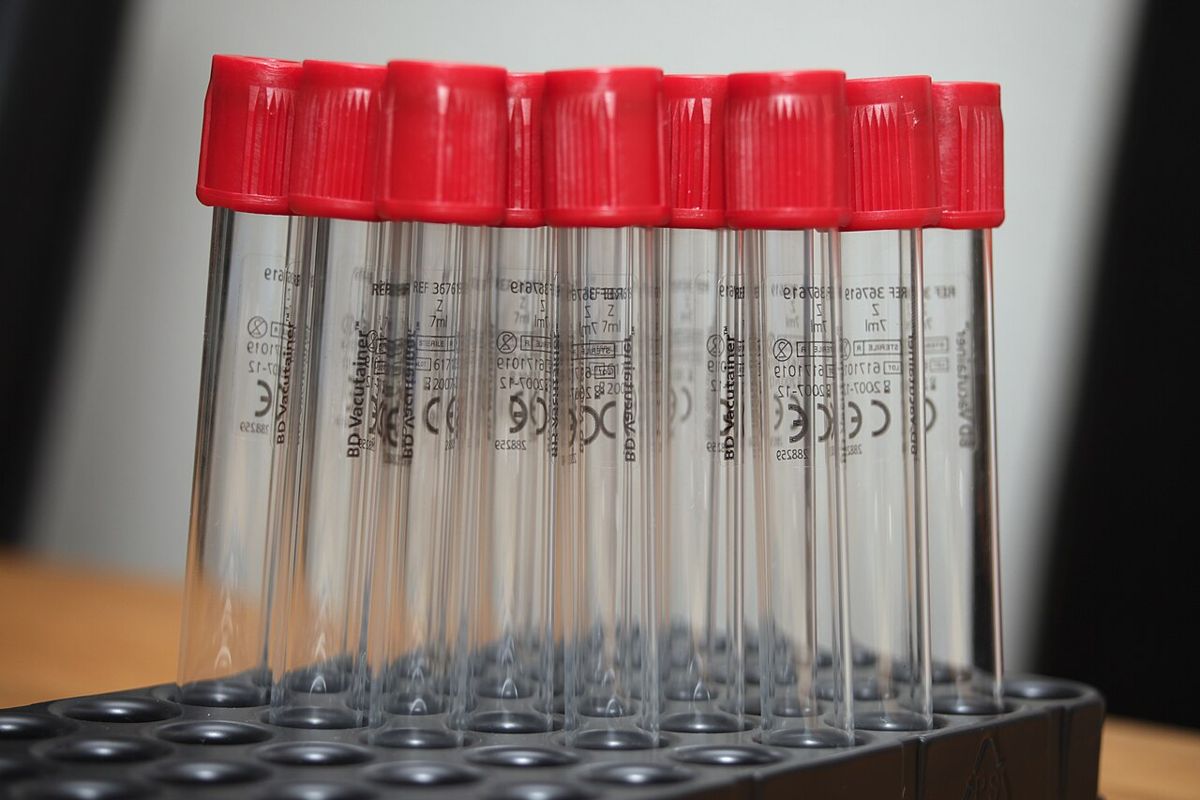
- Vacutainer tubesWikimedia Commons · Photo by Håkan Dahlström, CC BY 2.0 license.
Educational summary of pediatric neurology and nutrition research. Infant feeding, iron supplementation, and screening protocols must be evaluated and directed by a qualified pediatrician.
Analysis by NutroPractic from the sources listed. Written for general readers; it does not replace advice from your own doctor.
From our articles
Our guides on this subject
Plain-language guides on nutrition and wellness, backed by research.

Children's nutrition
Feeding a teenage athlete: energy, iron, calcium and the sports drink question
Teenage athletes are growing and training at the same time, and under-eating (REDs) is found in up to 80% of female and 70% of male athletes in studies. A worked energy example for a 15-year-old footballer, protein and carbohydrate targets, iron and calcium in the growth spurt, when sports drinks help and when they are dessert, and the supplements to skip.
20 Oct 2026

Food and nutrition
L-theanine and caffeine: what cognitive trials measured on sustained attention, and milligrams in matcha vs green tea
Combining L-theanine with caffeine produces clean focus without caffeine jitters. Here is what randomized trials measured on attention-switching, EEG alpha brain waves, and the exact milligrams across ceremonial matcha, culinary powder, gyokuro, and sencha.
20 Nov 2026

Women's wellness and nutrition
Creatine for women: cognitive performance, menstrual cycle phases, and bone density beyond muscle building
Creatine is widely stereotyped as a bodybuilding supplement for men, but female physiology tells a very different story. Women exhibit 70% to 80% lower endogenous creatine stores, reduced dietary intake, and cyclical fluctuations in brain creatine kinase across the follicular and luteal phases. Robust clinical trials demonstrate that 3 to 5 grams of daily creatine monohydrate enhances cognitive performance during sleep deprivation, augments clinical response in unipolar depression, preserves femoral neck bone geometry in postmenopausal women, and causes cellular intracellular hydration rather than subcutaneous bloating.
13 Nov 2026
Newsfeed for your website
Want this feed on your website?
Add it to any site with one copy-and-paste snippet. No sign-up, and it updates itself every hour.
Start with a virtual consultation
Tell Dr. Triveni what you want to change. You will leave with a clear next step, whether you are in Toronto, London, New York or Chennai.