Cognitive health & dietary sugar · November 28, 2026
Highest total sugar intake was linked to a 23% higher risk of cognitive disorders in a review of 257,761 people, but the evidence is low certainty
A meta-analysis of 10 prospective studies found higher total sugar intake tied to more cognitive impairment and dementia. No single sugar type showed a clear link.
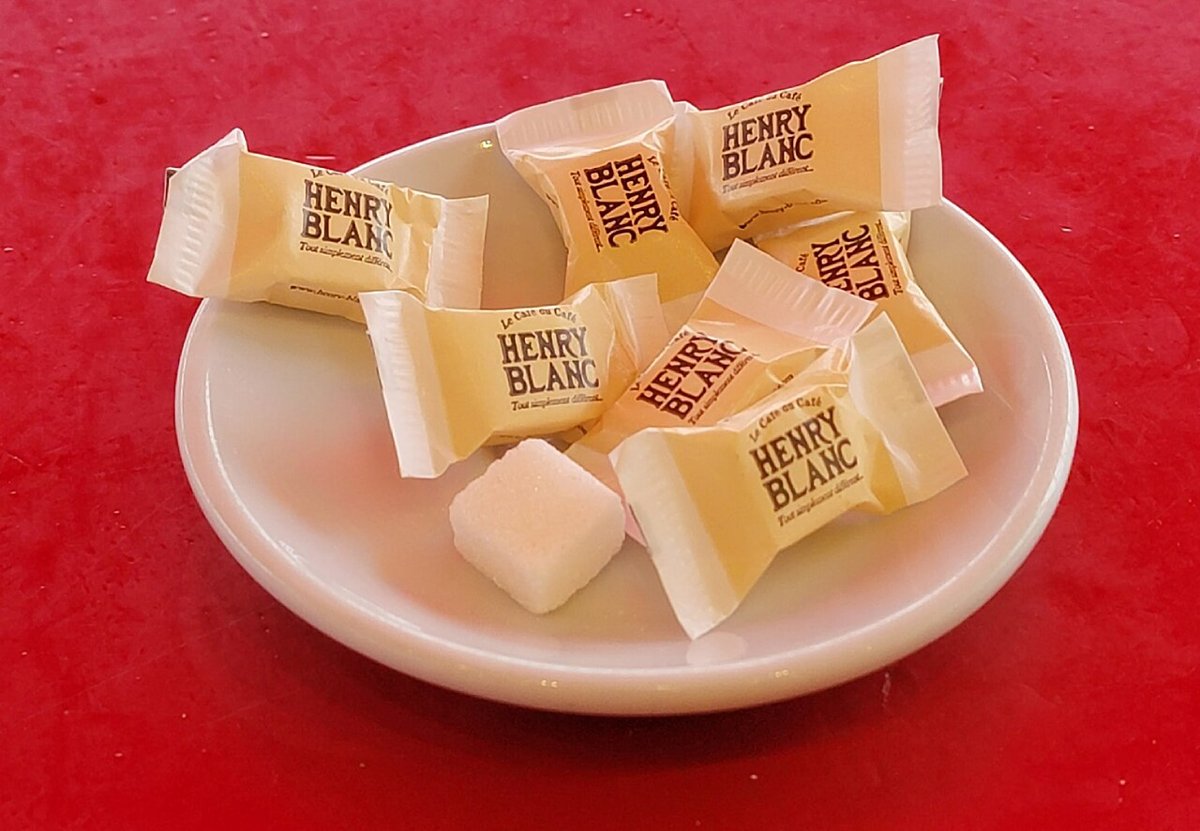
Individual studies on sugar and brain health have disagreed. A systematic review and meta-analysis in Nutrition Reviews, led by Chen and colleagues, pooled the prospective evidence on dietary sugar and cognitive disorders.
The team searched five databases up to December 2025 and included 10 prospective cohort studies covering 12 cohorts and 257,761 adults. Outcomes were cognitive impairment and dementia, including Alzheimer's disease. Exposures included total sugar (5 cohorts), sugar-sweetened beverages (9), fruit juice (2), fructose (4), and sucrose, lactose, maltose and glucose (3 each).
People with the highest total sugar intake had a higher risk of cognitive disorders than those with the lowest intake (hazard ratio 1.23, 95% CI 1.10 to 1.38), rated low certainty. No sugar subtype, including sugar-sweetened beverages and fruit juice, showed a significant association, and the certainty for those ranged from low to very low.
The studies are observational, certainty is low, and the authors say the dose-response relationship still needs to be clarified. The review cannot show that sugar causes cognitive decline.
Dietary sugar and risk of cognitive disorders
257,761
participants in 12 cohorts from 10 prospective studies
HR 1.23
highest vs lowest total sugar intake (95% CI 1.10 to 1.38, low certainty)
0
sugar subtypes with a significant association
Systematic review and meta-analysis, Nutrition Reviews, 15 Nov 2026 (PROSPERO CRD42025640308). Observational data, low certainty.
- The review separated total sugar from subtypes such as fructose, sucrose and lactose, and only total sugar showed a link.
- The authors searched Cochrane, Embase, PubMed, ScienceDirect and Web of Science through December 2025.
- Dietary Sugar Intake and Risk of Cognitive Disorders: A Systematic Review and Meta-AnalysisNutrition Reviews, 15 Nov 2026 · Abstract and results.
This article is general information about published research, not medical advice. It does not diagnose, treat or replace care from a qualified health professional. Talk to your doctor before starting a supplement or changing your diet, especially if you are pregnant, have a medical condition or take medicines.
Analysis by NutroPractic from the sources listed. Written for general readers; it does not replace advice from your own doctor.
From our articles
Our guides on this subject
Plain-language guides on nutrition and wellness, backed by research.

Women's wellness and nutrition
Creatine for women: cognitive performance, menstrual cycle phases, and bone density beyond muscle building
Creatine is widely stereotyped as a bodybuilding supplement for men, but female physiology tells a very different story. Women exhibit 70% to 80% lower endogenous creatine stores, reduced dietary intake, and cyclical fluctuations in brain creatine kinase across the follicular and luteal phases. Robust clinical trials demonstrate that 3 to 5 grams of daily creatine monohydrate enhances cognitive performance during sleep deprivation, augments clinical response in unipolar depression, preserves femoral neck bone geometry in postmenopausal women, and causes cellular intracellular hydration rather than subcutaneous bloating.
13 Nov 2026
Gut health
L-glutamine for gut barrier integrity: what the post-infectious IBS and permeability trials measured, and the dose in grams
At 15 g a day, glutamine took 79.6% of post-infection IBS-D patients to a clinical response against 5.8% on placebo. Trials that measured gut permeability directly in Crohn's, pancreatitis and heat stress found no clear benefit, and a 10-trial meta-analysis found none overall. The doses, the 14 g a day safe level, and who might try it.
27 Nov 2026
Supplements and vitamins
Black seed oil (Nigella sativa) and fasting glucose: what the pooled trials measured, oil vs powder doses, and the liver enzyme data
Meta-analyses of randomised trials put black seed's effect at roughly 10 to 20 mg/dL lower fasting glucose and about half a point of HbA1c, mostly as an add-on to diabetes tablets. The 1 to 3 g a day doses tested, why two bottles can differ 263-fold in thymoquinone, and what the liver and kidney markers showed.
27 Nov 2026
Newsfeed for your website
Want this feed on your website?
Add it to any site with one copy-and-paste snippet. No sign-up, and it updates itself every hour.
Start with a virtual consultation
Tell Dr. Triveni what you want to change. You will leave with a clear next step, whether you are in Toronto, London, New York or Chennai.