Cellular health & longevity · November 14, 2026
Higher dietary polyphenol and flavonoid intake associated with significantly lower risk of short telomeres
In a prospective cohort study of older adults published in Clinical Nutrition, individuals consuming diets richest in total polyphenols and flavonoids had roughly 40% to 50% lower odds of short telomeres.
Telomeres are repetitive nucleotide sequences capping the ends of eukaryotic chromosomes, acting as protective aglets that maintain genomic stability. With each cycle of cellular division, telomeres progressively shorten. When critical shortening occurs, cells enter replicative senescence or programmed apoptosis, marking telomere length as a fundamental biological indicator of cellular aging and cardiometabolic vulnerability.
Telomere attrition is accelerated by systemic oxidative stress and chronic low-grade inflammation, both of which damage guanine-rich telomeric repeats. Dietary polyphenols—a diverse class of plant secondary metabolites including flavonoids, phenolic acids, and stilbenes—possess potent free-radical scavenging and anti-inflammatory properties that may shield telomeres from oxidative erosion.
In a prospective study published in Clinical Nutrition, researchers led by Isabella Kury-Guzmán examined the association between habitual dietary polyphenol consumption and the risk of short telomeres in older adults. Dietary intake of total polyphenols and specific subclasses was quantified using detailed validated food frequency questionnaires linked to the comprehensive Phenol-Explorer database.
After rigorous multivariable adjustment for age, sex, total caloric intake, smoking, physical activity, body mass index, and adherence to the Mediterranean diet, individuals in the highest quartile of total polyphenol and flavonoid intake showed an estimated 40% to 50% lower risk of short telomeres compared to those in the lowest intake quartile. The researchers concluded that regular consumption of polyphenol-dense foods like berries, tea, coffee, and extra virgin olive oil may confer substantial protection against cellular aging.
Dietary polyphenol intake and risk of short telomeres in older adults
40%–50% lower
Odds of short telomeres in the highest vs lowest polyphenol intake categories
Phenol-Explorer
Database used to calculate total polyphenol and flavonoid consumption
Prospective
Study design evaluating cellular aging markers and habitual diet
Flavonoids
Subclass showing particularly strong associations with telomere maintenance
Prospective cohort analysis published in Clinical Nutrition (67:106814) adjusting for lifestyle and demographic factors.
- Telomeres consist of repeated TTAGGG DNA sequences that protect coding genes during cellular replication.
- Oxidative stress preferentially attacks telomeric DNA due to its high density of easily oxidized guanine triplets.
- The Phenol-Explorer database catalogs over 500 polyphenol compounds across several hundred dietary foods and beverages.
- Regular physical exercise, sound sleep, and smoking cessation synergize with polyphenol-rich diets to preserve telomere length.
- Dietary (poly)phenol intake and risk of short telomeres in older adults: A prospective analysisClinical Nutrition / Elsevier / PubMed · Primary prospective cohort publication investigating dietary polyphenols and telomere length. Clin Nutr 67:106814.
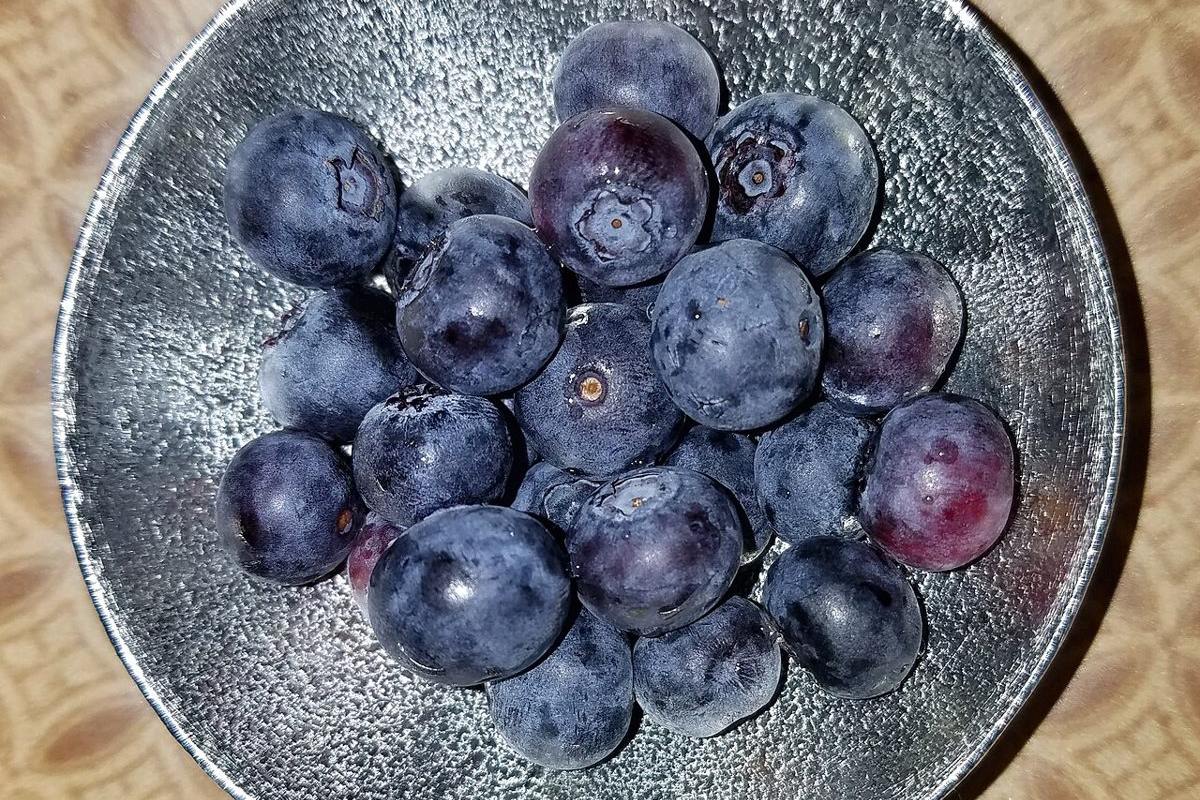
- Blueberries in a little bowlWikimedia Commons · Daderot, CC0. Illustration of polyphenol-rich berry fruit.
General information, not medical advice. Observational associations do not establish direct causality; dietary patterns should be personalized as part of overall preventive healthcare.
Analysis by NutroPractic from the sources listed. Written for general readers; it does not replace advice from your own doctor.
From our articles
Read, then eat a little better
Plain-language guides on nutrition and wellness, backed by research.

Women's health
Inositol for PCOS: the 40:1 ratio, trial doses, and food milligrams
Why do randomized trials in polycystic ovary syndrome prioritize the 40:1 myo to D-chiro inositol ratio? Here is the science behind the ovarian epimerase paradox, clinical ovulation and insulin metrics, and why cantaloupe cannot replace 4,000 mg trial powder.
21 Nov 2026

Everyday eating
Extra virgin olive oil polyphenols: the EU health claim, smoke point myths, and cooking stability
Does extra virgin olive oil degrade when cooked? What does the EU 5 mg polyphenol health claim require, how does oleocanthal act like ibuprofen, and why does oxidative stability matter more than smoke point in domestic frying? Here is the clinical and culinary data.
21 Nov 2026

Food and nutrition
L-theanine and caffeine: what cognitive trials measured on sustained attention, and milligrams in matcha vs green tea
Combining L-theanine with caffeine produces clean focus without caffeine jitters. Here is what randomized trials measured on attention-switching, EEG alpha brain waves, and the exact milligrams across ceremonial matcha, culinary powder, gyokuro, and sencha.
20 Nov 2026
Newsfeed for your website
Want this feed on your website?
Add it to any site with one copy-and-paste snippet. No sign-up, and it updates itself every hour.
Start with a virtual consultation
Tell Dr. Triveni what you want to change. You will leave with a clear next step, whether you are in Toronto, London, New York or Chennai.