Women's health · November 14, 2026
A three-fiber blend prompted gut microbes to convert excess androgens into harmless metabolites in PCOS
A 12-week trial published in Science found that combining inulin, resistant starch, and beta-glucan boosted Bacteroides bacteria that convert androstenedione to coproandrosterone.
Polycystic ovary syndrome and related polyendocrine metabolic ovarian conditions affect an estimated 10% to 15% of women worldwide, causing irregular menstrual cycles, hirsutism, insulin resistance, and elevated circulating androgens. While dietary fiber has long been recommended for metabolic management, the exact biological pathway through which fermentable carbohydrates influence sex hormones remained elusive.
A clinical study published in Science by investigators at Peking University Third Hospital and collaborators demonstrated a direct gut-microbiome-to-hormone transformation. In a 12-week intervention trial, participants consumed a targeted dietary fiber blend consisting of inulin, resistant starch, and oat beta-glucan, resulting in a marked drop in circulating free testosterone and androstenedione.
Using metagenomic and metabolomic analyses, the team discovered that prebiotic fermentation specifically fostered the growth of Bacteroides xylanisolvens in the colon. This microbe expresses unique steroid-metabolizing enzymes that convert androstenedione into coproandrosterone, an inactive, non-androgenic secondary sterol metabolite that is subsequently excreted.
Further downstream microbial activity, notably by Bifidobacterium longum, converts coproandrosterone into dihydro-coproandrosterone. This microbial clearing mechanism helped normalize menstrual frequency and ovulatory rates without pharmaceutical anti-androgens, uncovering an evidence-based microbial target for nutritional endocrinology.
Microbial hormone conversion trial in metabolic ovarian syndrome (Science, November 2026)
12 weeks
Duration of dietary prebiotic fiber intervention
3 fibers
Inulin, resistant starch, and beta-glucan combination
B. xylanisolvens
Primary gut bacterium enriched by the fiber blend
Coproandrosterone
Non-androgenic sterol produced from androstenedione
Significant
Drop in plasma free androgens and recovery of ovulatory cycles
Mechanistic clinical investigation combining a 12-week dietary fiber intervention with fecal metagenomics, microbial culturing, and mass-spectrometry steroid profiling.
- Inulin is a soluble fructan found in chicory root, garlic, onions, and asparagus that selectively feeds beneficial bifidobacteria.
- Resistant starch escapes digestion in the small intestine and ferments in the colon, producing short-chain fatty acids like butyrate.
- Beta-glucan is a viscous soluble fiber abundant in whole oats and barley known for stabilizing post-meal blood glucose.
- The gut microbiome can actively alter steroid hormones through deconjugation, reduction, and epimerization reactions.
- Targeting hormone conversion through dietary fiber improves polyendocrine metabolic ovarian syndromeScience / PubMed · Primary study establishing microbial conversion of androstenedione to coproandrosterone by Bacteroides xylanisolvens. Published 5 November 2026. DOI: 10.1126/science.aed8952.
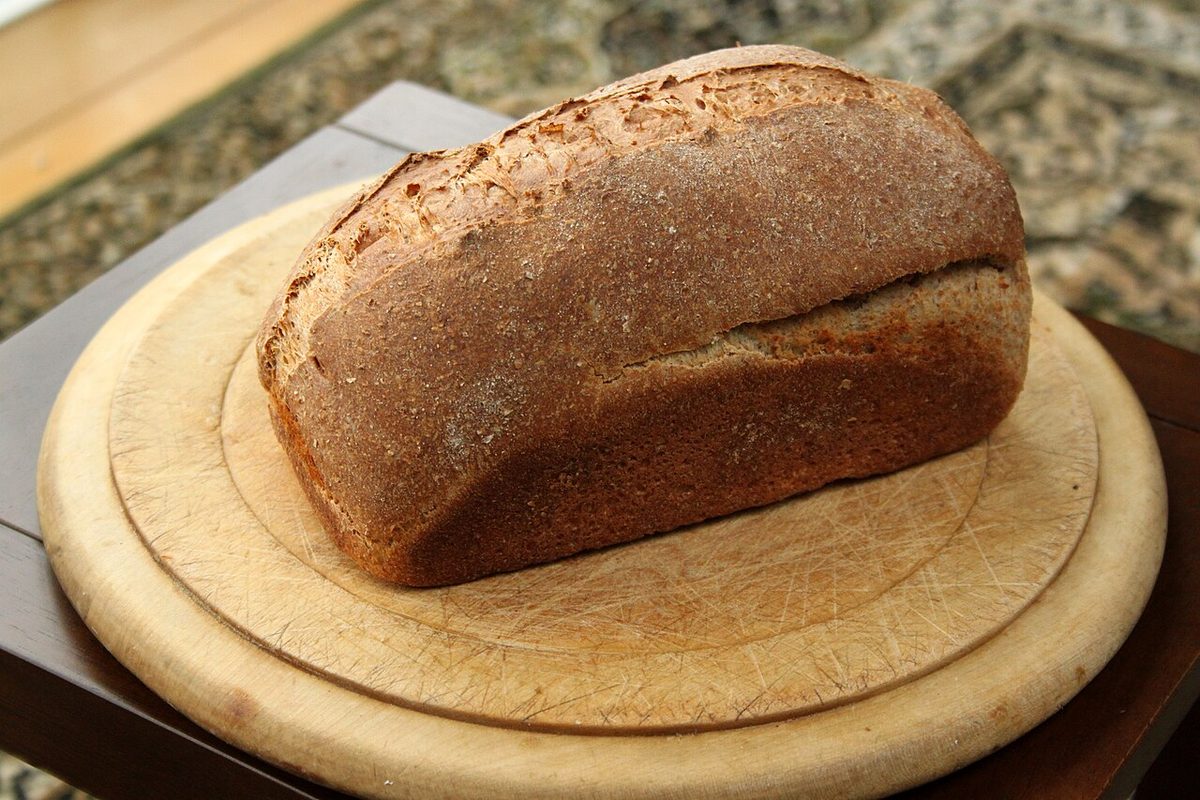
- Wholemeal tin loafWikimedia Commons · Photo: muffinn, CC BY 2.0. General dietary fiber illustration.
General information, not medical advice. Polycystic ovary syndrome and hormonal imbalances require personalized diagnostic workup; dietary supplements and fiber modifications should complement professional endocrine care.
Analysis by NutroPractic from the sources listed. Written for general readers; it does not replace advice from your own doctor.
From our articles
Our guides on this subject
Plain-language guides on nutrition and wellness, backed by research.
Gut health
Fibermaxxing without the bloat: a two-week plan that adds 4 grams at a time
Going from 15 grams of fibre to 40 overnight is how most people end up bloated by Wednesday and back on white toast by Friday. What the bean studies and an MRI trial show about gas, and a 14-day ramp that gets you to about 30 grams with a quiet gut.
10 Oct 2026
Gut health
Fermented foods and your gut: what one Stanford trial found, and which jars still have anything alive in them
In a 10-week Stanford trial, about six servings a day of yogurt, kefir, kimchi and kombucha made gut bacteria more diverse and lowered 19 inflammation markers. A high-fibre diet didn't, at least not in 10 weeks. What that does and doesn't prove, why your sourdough and shelf-stable sauerkraut don't count, and an easy way to eat more of the real thing.
8 Oct 2026
Everyday eating
The fibre gap: why most adults fall short, and an easy 30-gram day
Most adults in the US, Canada and Europe eat far less fibre than recommended, even though higher intakes are linked to lower rates of heart disease, type 2 diabetes and bowel cancer. How much you need, where it hides, and a sample day that gets you to 30 grams.
3 Oct 2026
Newsfeed for your website
Want this feed on your website?
Add it to any site with one copy-and-paste snippet. No sign-up, and it updates itself every hour.
Start with a virtual consultation
Tell Dr. Triveni what you want to change. You will leave with a clear next step, whether you are in Toronto, London, New York or Chennai.