Women's health & bone density · November 27, 2026
Diet quality linked to higher femoral bone density and 50% lower osteoporosis odds in South Korean postmenopausal women
A cross-sectional study of 1,148 postmenopausal women found that the highest adherence to the Korean Healthy Eating Index was associated with higher bone mineral density at the femur and a 50% lower odds of osteoporosis, though lumbar spine density showed no link.
Following menopause, accelerated estrogen withdrawal triggers an imbalance in bone remodeling, substantially increasing the risk of osteopenia, osteoporosis, and fragility fractures. While individual nutrients such as calcium and vitamin D have been extensively evaluated, evaluating overall dietary patterns captures synergistic food interactions. A new cross-sectional study investigated whether overall diet quality, measured by the Korean Healthy Eating Index (KHEI), correlates with bone mineral density (BMD) in postmenopausal women.
The investigation evaluated 1,148 postmenopausal women in South Korea whose diet quality was scored from 0 to 100 on the validated KHEI tool, which rates adequacy of whole grains, fruit, vegetables, milk, and balanced fat against moderation of sodium and added sugars. Dual-energy X-ray absorptiometry (DEXA) scans measured BMD and T-scores at the total femur, femoral neck, and lumbar spine.
Osteoporosis was diagnosed in 21.76% of the participants. After multivariate adjustment for age, body mass index, physical activity, energy intake, and hormone therapy, women in the highest KHEI quartile (Q4) exhibited significantly higher BMD at the total femur (adjusted β = 0.017 g/cm², 95% CI 0.002 to 0.033) and the femoral neck (adjusted β = 0.020 g/cm², 95% CI 0.004 to 0.036) compared to those in the lowest quartile (Q1).
In multinomial logistic regression, participants in the highest diet quality quartile had a 50% lower likelihood of clinical osteoporosis (adjusted odds ratio [OR] = 0.502, 95% CI 0.278-0.908). Interestingly, diet quality showed no significant association with lumbar spine BMD, a site often influenced by degenerative osteoarthritis changes in older adults. The authors emphasize that while whole-diet quality appears protective against hip bone loss, longitudinal studies are essential to establish causality.
Korean Healthy Eating Index and DEXA bone density in 1,148 postmenopausal women
1,148
Postmenopausal women evaluated
21.76%
Overall osteoporosis prevalence
0.502
Adjusted osteoporosis OR for Q4 vs Q1
+0.020 g/cm²
Femoral neck BMD gain in Q4
Associations were statistically significant at the total femur and femoral neck, but no clear link was observed at the lumbar spine.
- The Korean Healthy Eating Index (KHEI) evaluates 14 components: 8 for adequacy (e.g. breakfast intake, fruit, vegetables, legumes, milk), 3 for moderation (sodium, sweets/sugars, saturated fat), and 3 balance ratios.
- Cortical bone, which constitutes the majority of the femoral neck, turns over more slowly than trabecular bone in the spine and may reflect sustained long-term nutritional status.
- Degenerative spinal changes and aortic calcifications in postmenopausal women can falsely elevate lumbar spine DEXA readings, obscuring dietary associations.
- Association of Diet Quality with Bone Mineral Density and Osteoporosis Among Postmenopausal Women: A Cross-Sectional Analysis in South KoreaNutrients · Cross-sectional analysis of 1,148 Korean postmenopausal women. Published 25 November 2026.
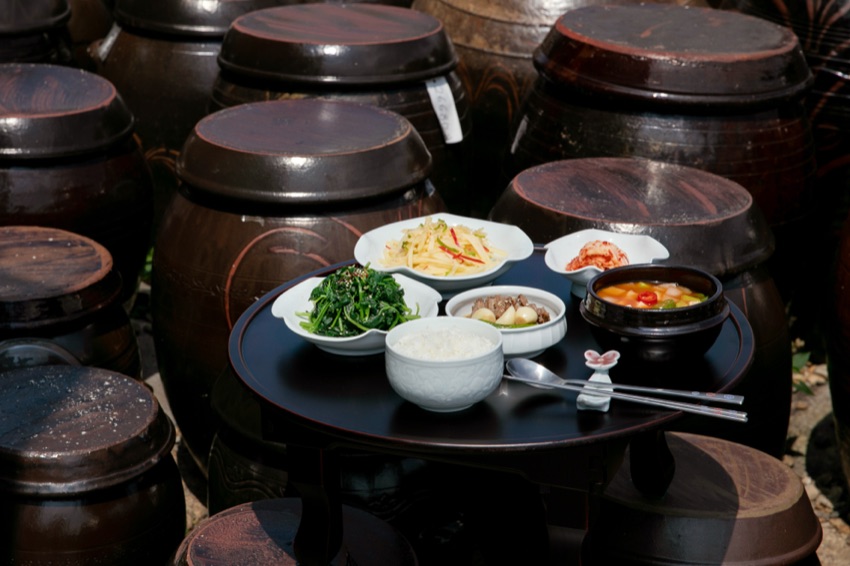
- File:Banchan 01 (43099459305).jpgWikimedia Commons · Photo via Wikimedia Commons, CC BY-SA 2.0.
Educational summary of nutrition research, not personal medical advice. Speak to your doctor or dietitian before changing your diet or supplements, especially if you are pregnant, take medicines or have a medical condition.
Analysis by NutroPractic from the sources listed. Written for general readers; it does not replace advice from your own doctor.
From our articles
Our guides on this subject
Plain-language guides on nutrition and wellness, backed by research.
Supplements and vitamins
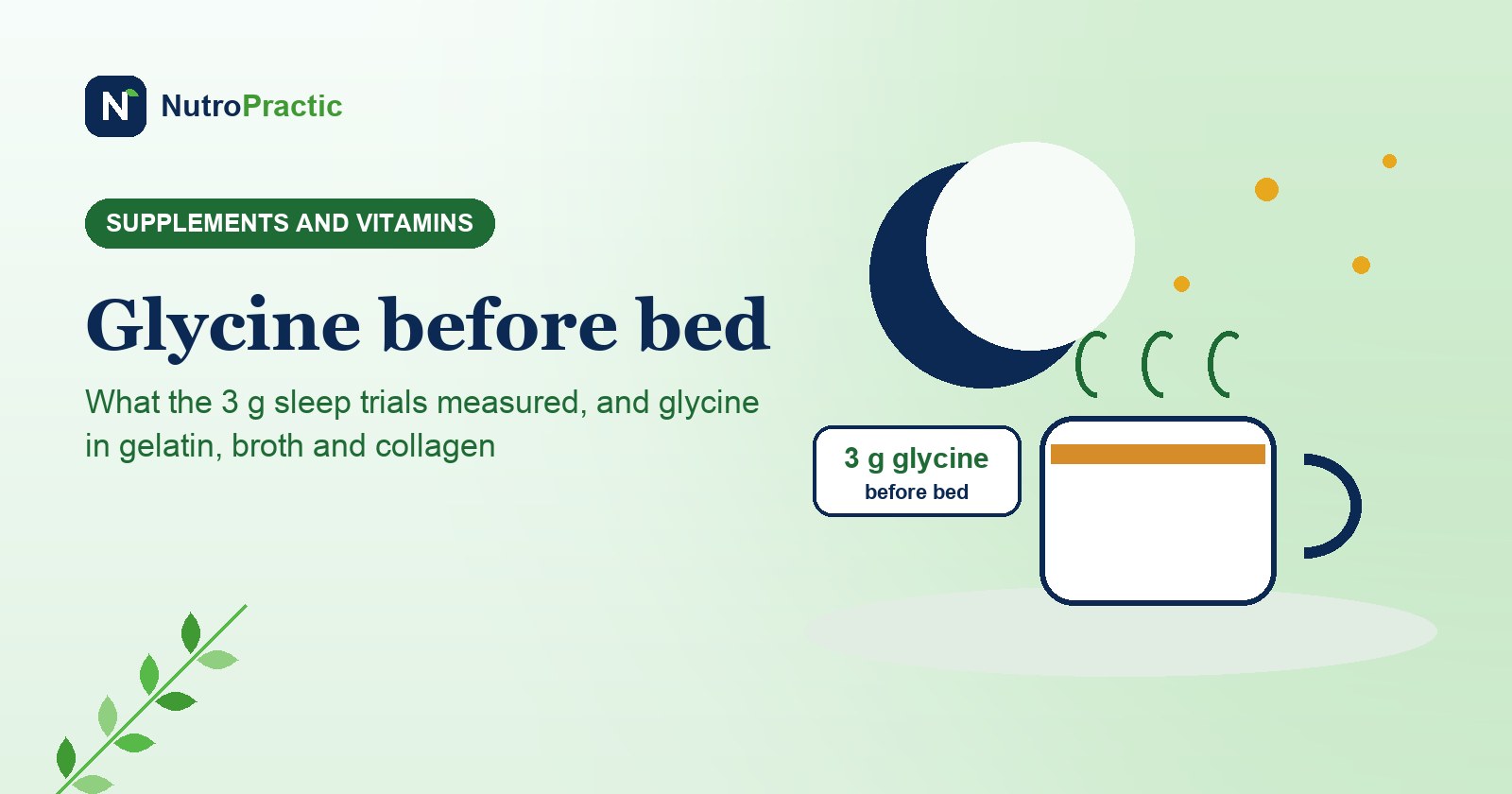
Glycine before bed: the 3 g sleep trials, what they measured, and glycine in gelatin, bone broth and collagen
The 3 g dose comes from small Japanese trials: the sleep-restriction study analysed seven men. Here is what each trial measured, the grams of gelatin, collagen, pork rinds and bone broth that hold 3 g, and the clozapine warning.
17 Nov 2026

Women's wellness and nutrition
Creatine for women: cognitive performance, menstrual cycle phases, and bone density beyond muscle building
Creatine is widely stereotyped as a bodybuilding supplement for men, but female physiology tells a very different story. Women exhibit 70% to 80% lower endogenous creatine stores, reduced dietary intake, and cyclical fluctuations in brain creatine kinase across the follicular and luteal phases. Robust clinical trials demonstrate that 3 to 5 grams of daily creatine monohydrate enhances cognitive performance during sleep deprivation, augments clinical response in unipolar depression, preserves femoral neck bone geometry in postmenopausal women, and causes cellular intracellular hydration rather than subcutaneous bloating.
13 Nov 2026
Supplements and vitamins
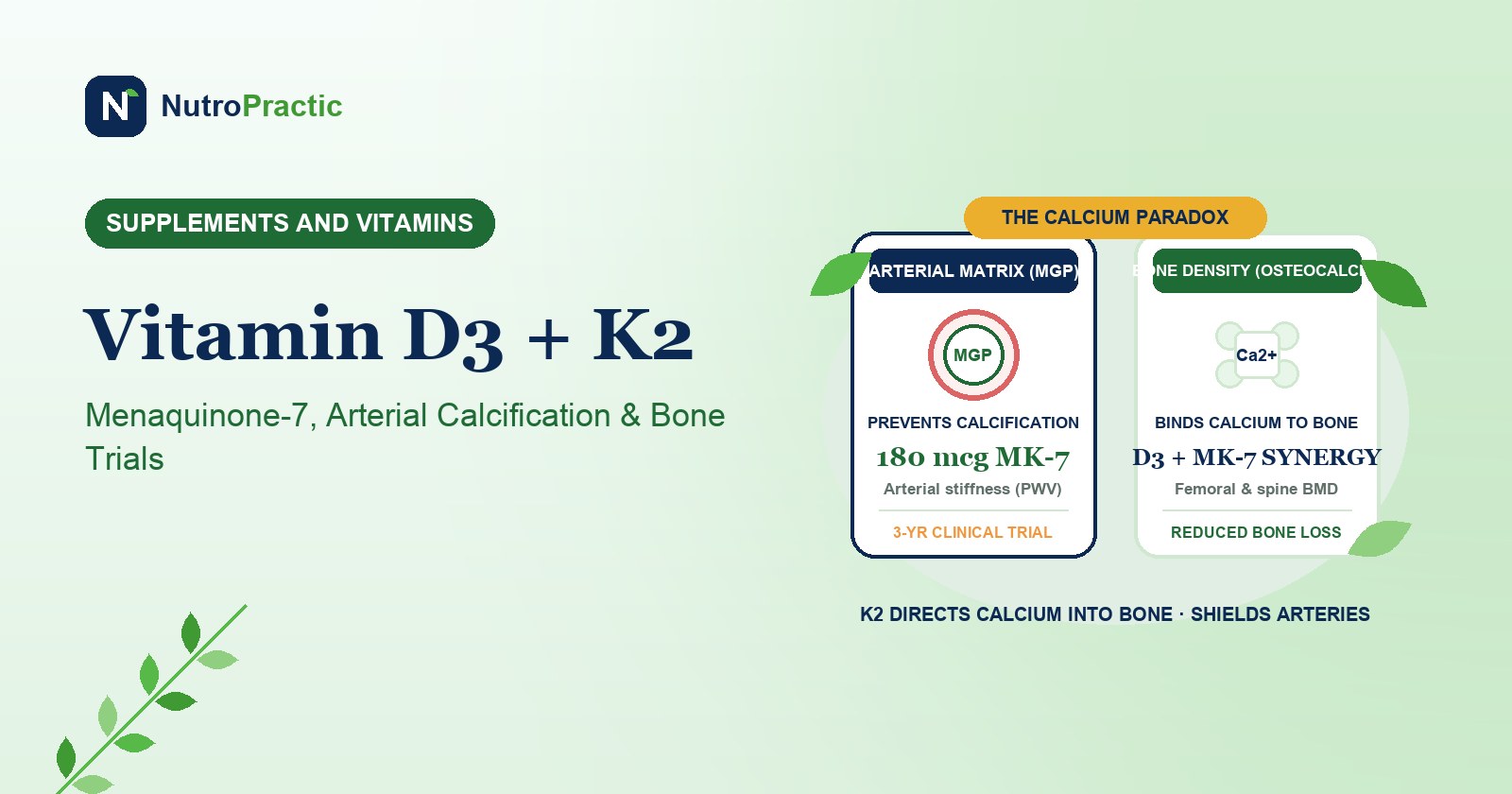
Vitamin D3 with K2: does adding menaquinone-7 actually protect arteries and bones in trials?
Vitamin D3 enhances intestinal calcium absorption, but without adequate vitamin K2, calcium can deposit in vascular walls instead of bone matrix. Clinical trials evaluating menaquinone-7 (MK-7) demonstrate improved carboxylation of Matrix Gla Protein, preserved arterial elasticity, and reduced bone mineral density loss. Discover what human clinical trials actually prove about cardiovascular calcification, bone density, MK-4 vs. MK-7 dosing, and critical drug interactions.
13 Nov 2026
Newsfeed for your website
Want this feed on your website?
Add it to any site with one copy-and-paste snippet. No sign-up, and it updates itself every hour.
Start with a virtual consultation
Tell Dr. Triveni what you want to change. You will leave with a clear next step, whether you are in Toronto, London, New York or Chennai.