Nutritional psychiatry & behavioral medicine · November 19, 2026
Hands-on culinary medicine workshops eased sadness and fatigue in psychiatric inpatients
A clinical trial at the Medical University of Graz found that five interactive cooking workshops co-led by a chef and a nutritional therapist yielded statistically significant reductions in sadness, hopelessness, and tiredness among psychiatric inpatients with depression.
While pharmacotherapy and psychotherapeutic counseling form the cornerstone of modern psychiatric care, patients hospitalized with severe depressive episodes or eating disorders frequently struggle with loss of appetite, anhedonia, and profound disconnection from basic daily living activities. Didactic dietary lectures often fail to translate into tangible behavioral change, highlighting the need for experiential therapies that integrate culinary skills with nutritional neuroscience.
A clinical intervention trial published in Nutrients investigated the therapeutic feasibility and psychological outcomes of structured culinary medicine workshops in hospital psychiatry. Conducted at the Medical University of Graz, the study enrolled 39 psychiatric inpatients—including 29 individuals undergoing treatment for major depression and 10 with eating disorders—to participate in a 5-session culinary medicine workshop series.
Each workshop was collaboratively facilitated by a professional chef and a specialized nutritional therapist, guiding patients through interactive, sensory food preparation emphasizing whole grains, vegetables, anti-inflammatory fats, and social dining. Pre- and post-intervention evaluations tracked quantitative psychological mood inventories, feelings of hopelessness and fatigue, and qualitative participant acceptability.
The intervention demonstrated exceptional clinical feasibility, with 90% of participants actively recommending the culinary workshops as a supportive recovery tool. Statistically significant improvements were observed across key depressive domains, including marked reductions in sadness (p < 0.001), hopelessness (p = 0.002), and persistent tiredness (p = 0.003). The researchers conclude that hands-on culinary medicine represents an empowering, non-stigmatizing adjunct that rebuilds agency, social connectivity, and wholesome nourishment during psychiatric rehabilitation.
Psychological and behavioral outcomes following 5 culinary medicine workshops
39
Psychiatric inpatients completed the structured culinary intervention
5
Hands-on cooking sessions co-led by a professional chef and dietitian
p < 0.001
Statistically significant reduction in subjective sadness scores
90%
Of participants highly recommended the program for psychiatric recovery
Inpatient clinical trial evaluating culinary medicine. Interactive cooking workshops significantly improved mood subscales and offered practical nutritional empowerment for mental healthcare.
- Culinary medicine is an evidence-based field that merges clinical nutrition science with practical culinary arts to treat and prevent chronic health conditions.
- Hands-on food preparation engages tactile, olfactory, and visual senses, promoting mindfulness and interrupting cycles of rumination in depressive states.
- Adherence to Mediterranean-style dietary patterns rich in leafy greens, nuts, and legumes is associated with lower incidence and severity of clinical depression.
- Preparing and sharing meals in group settings provides natural behavioral activation, supporting social bonding and feelings of accomplishment.
- Culinary Medicine Cooking Workshops as Add-On Therapy for Inpatients with Depression and Eating DisordersNutrients / MDPI · Inpatient psychiatric intervention trial in 39 patients. Published November 2026.
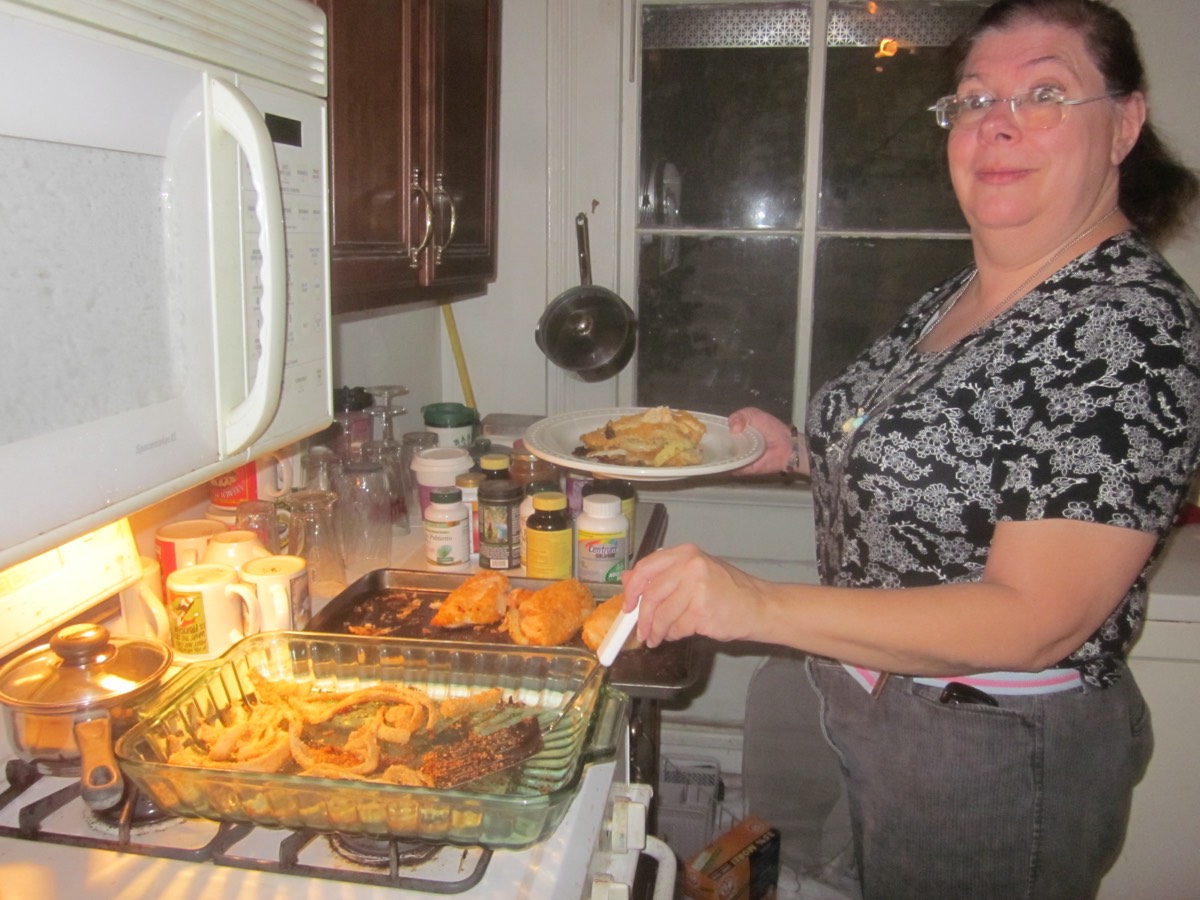
- Preparing food in kitchenWikimedia Commons · Photo by Infrogmation of New Orleans, CC BY 2.0.
Nutritional psychiatry research summary, not mental healthcare advice. Individuals managing clinical depression or eating disorders should maintain structured care with licensed mental health professionals.
Analysis by NutroPractic from the sources listed. Written for general readers; it does not replace advice from your own doctor.
From our articles
Read, then eat a little better
Plain-language guides on nutrition and wellness, backed by research.

Women's health
Inositol for PCOS: the 40:1 ratio, trial doses, and food milligrams
Why do randomized trials in polycystic ovary syndrome prioritize the 40:1 myo to D-chiro inositol ratio? Here is the science behind the ovarian epimerase paradox, clinical ovulation and insulin metrics, and why cantaloupe cannot replace 4,000 mg trial powder.
21 Nov 2026

Everyday eating
Extra virgin olive oil polyphenols: the EU health claim, smoke point myths, and cooking stability
Does extra virgin olive oil degrade when cooked? What does the EU 5 mg polyphenol health claim require, how does oleocanthal act like ibuprofen, and why does oxidative stability matter more than smoke point in domestic frying? Here is the clinical and culinary data.
21 Nov 2026

Food and nutrition
L-theanine and caffeine: what cognitive trials measured on sustained attention, and milligrams in matcha vs green tea
Combining L-theanine with caffeine produces clean focus without caffeine jitters. Here is what randomized trials measured on attention-switching, EEG alpha brain waves, and the exact milligrams across ceremonial matcha, culinary powder, gyokuro, and sencha.
20 Nov 2026
Newsfeed for your website
Want this feed on your website?
Add it to any site with one copy-and-paste snippet. No sign-up, and it updates itself every hour.
Start with a virtual consultation
Tell Dr. Triveni what you want to change. You will leave with a clear next step, whether you are in Toronto, London, New York or Chennai.