Clinical nutrition & ergogenic aids · November 23, 2026
Creatine shows solid strength and cognitive benefits, but umbrella review finds critical methodological flaws in the literature
An umbrella review of 45 meta-analyses confirmed creatine improves muscle strength, lean mass, and selected cognitive tasks, but warned that nearly half of published reviews suffer from critically low methodological quality.
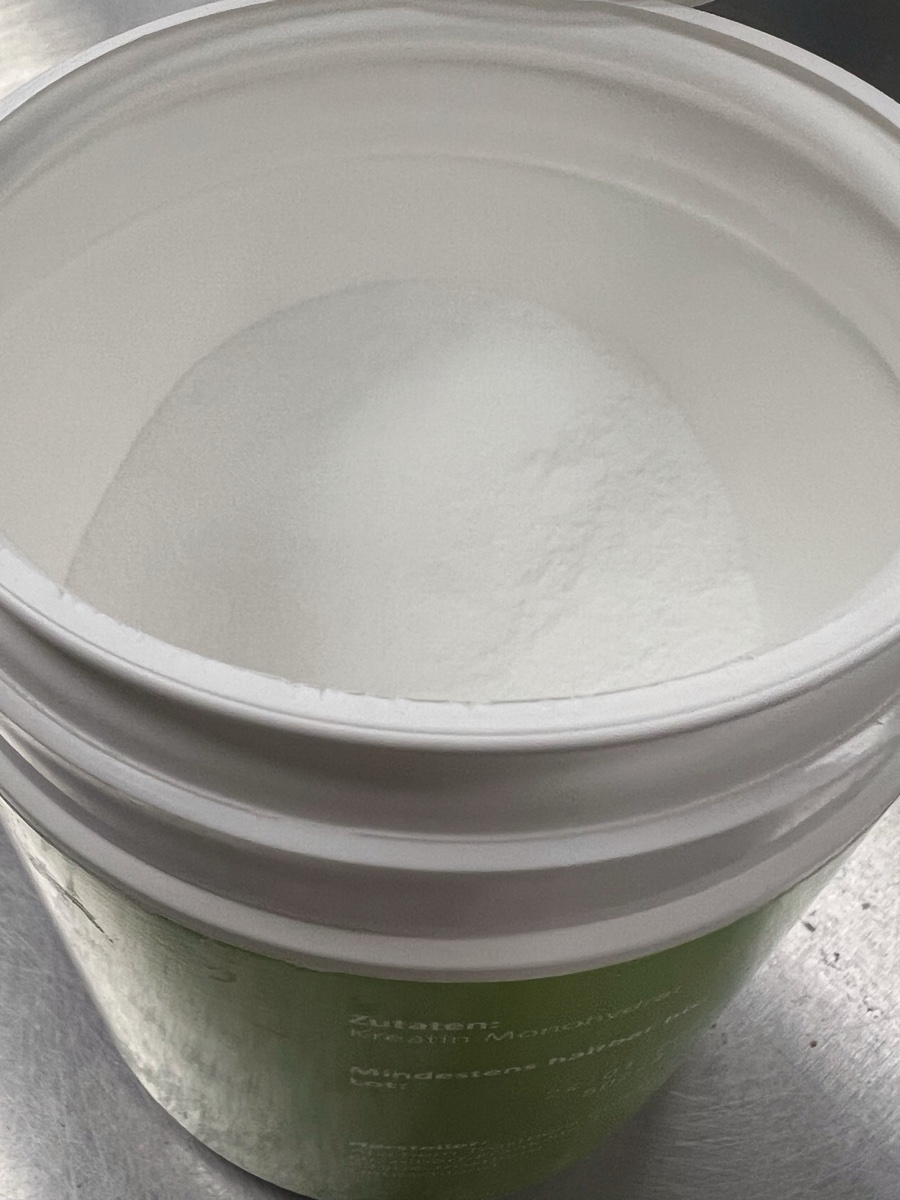
Creatine monohydrate is one of the most widely consumed and heavily researched dietary supplements in sports nutrition. By expanding intramyocellular phosphocreatine stores, creatine facilitates rapid adenosine triphosphate (ATP) resynthesis during brief bursts of maximal-intensity physical and cognitive effort. However, with dozens of systematic reviews and meta-analyses published over the past two decades, contradictory claims have emerged regarding its utility for endurance, recovery, brain function, and clinical disease management.
To establish a definitive synthesis of the global evidence base, an international research team conducted an umbrella review registered on PROSPERO (CRD420261501087) following the PRIOR reporting guidelines. They systematically searched PubMed, Scopus, and Web of Science for all quantitative systematic reviews and meta-analyses published over the preceding 20 years. Methodological quality of each review was evaluated using the AMSTAR-2 instrument, and primary-study overlap was mapped using Corrected Covered Area (CCA).
A total of 45 systematic reviews and meta-analyses met inclusion criteria, organized across seven thematic domains. Across physical performance outcomes, creatine supplementation demonstrated consistently favorable, robust effects on muscular strength (particularly upper- and lower-body 1RM), explosive power, lean body mass accretion, and functional physical performance, especially when paired with progressive resistance training. In cognitive evaluations, creatine showed consistent improvements in selected tests of short-term working memory, attentional capacity, and processing speed, particularly during sleep deprivation or mental fatigue.
However, the review issued several major scientific caveats. First, zero reviews achieved high confidence on the AMSTAR-2 rating, and nearly half (48.9%) were rated critically low due to inadequate risk-of-bias assessment or missing exclusion lists. Second, while reviews claimed independent replication, 395 unique primary trials accounted for 1,001 review inclusions, creating substantial circular evidence. Finally, while blood creatinine levels increased predictably (as creatine degrades non-enzymatically to creatinine), gold-standard 51Cr-EDTA measured glomerular filtration rates and urinary kidney injury markers remained unaffected, though long-term clinical safety data beyond five years remains limited.
Umbrella review of 45 systematic reviews on creatine (PROSPERO CRD420261501087)
45
systematic reviews and meta-analyses synthesized across 7 domains
395
unique primary clinical trials accounting for 1,001 review inclusions
3.49%
global primary study overlap (Corrected Covered Area, CCA)
0
systematic reviews achieving 'high' AMSTAR-2 methodological confidence
Systematic umbrella review published in Nutrients on 13 November 2026.
- The body naturally synthesizes approximately 1 to 2 grams of creatine per day in the liver, kidneys, and pancreas from the amino acids arginine, glycine, and methionine.
- Approximately 95% of the body's total creatine pool is stored in skeletal muscle, with the remaining 5% distributed throughout the brain, heart, and testes.
- Serum creatinine increases during creatine supplementation because muscle creatine spontaneously degrades into creatinine at a rate of roughly 1.5% to 2% per day; this elevation reflects supplement intake rather than intrinsic renal dysfunction.
- Creatine Supplementation Across Health and Performance Outcomes: An Umbrella Review of Systematic Reviews and Meta-AnalysesNutrients · Open-access umbrella review published 13 November 2026.
- File:Creatine monohydrate powder.jpgWikimedia Commons · Photo by The Great Duck, CC BY-SA 4.0.
Educational summary of nutrition research, not personal medical advice. Speak to your doctor or dietitian before changing your diet or supplements, especially if you are pregnant, take medicines or have a medical condition.
Analysis by NutroPractic from the sources listed. Written for general readers; it does not replace advice from your own doctor.
From our articles
Our guides on this subject
Plain-language guides on nutrition and wellness, backed by research.

Women's wellness and nutrition
Creatine for women: cognitive performance, menstrual cycle phases, and bone density beyond muscle building
Creatine is widely stereotyped as a bodybuilding supplement for men, but female physiology tells a very different story. Women exhibit 70% to 80% lower endogenous creatine stores, reduced dietary intake, and cyclical fluctuations in brain creatine kinase across the follicular and luteal phases. Robust clinical trials demonstrate that 3 to 5 grams of daily creatine monohydrate enhances cognitive performance during sleep deprivation, augments clinical response in unipolar depression, preserves femoral neck bone geometry in postmenopausal women, and causes cellular intracellular hydration rather than subcutaneous bloating.
13 Nov 2026

Food and nutrition
L-theanine and caffeine: what cognitive trials measured on sustained attention, and milligrams in matcha vs green tea
Combining L-theanine with caffeine produces clean focus without caffeine jitters. Here is what randomized trials measured on attention-switching, EEG alpha brain waves, and the exact milligrams across ceremonial matcha, culinary powder, gyokuro, and sencha.
20 Nov 2026
Healthy ageing
Creatine beyond the gym: what it does for older adults and women, and what it doesn't
Across 22 trials, adults in their late fifties to seventies who took creatine while doing resistance training gained about 1.4 kg more lean mass than those who trained without it. Two two-year trials found it did nothing for bone density after menopause. Where the evidence is solid, where it's early (memory, short nights), how much to take, and who should leave it alone.
10 Oct 2026
Newsfeed for your website
Want this feed on your website?
Add it to any site with one copy-and-paste snippet. No sign-up, and it updates itself every hour.
Start with a virtual consultation
Tell Dr. Triveni what you want to change. You will leave with a clear next step, whether you are in Toronto, London, New York or Chennai.