Healthy ageing · November 5, 2026
Corn protein matched milk in a 48-person muscle test. It measured five hours of building signals — not bigger muscles
Older adults drank 20 g of corn, pea–corn or milk protein after working one leg. All three beat a low-energy placebo for acute muscle protein synthesis, while exercise added another lift.
Plant proteins are often described as weaker muscle builders because many contain less of the essential amino acids that switch muscle protein synthesis on. Corn is an interesting exception: its protein is relatively rich in leucine. A double-blind randomized trial published in The Journal of Nutrition on 26 October 2026 put that idea through an acute laboratory test in 48 healthy older adults, evenly split between men and women and averaging 68 years old.
Each person performed three sets of ten knee extensions with one leg, using 75% of the most they could lift once. They then drank one of four products: 20 g of corn protein, 20 g of a pea-and-corn blend, 20 g of milk protein, or a low-energy drink without protein. The researchers infused a labelled amino acid and took blood and muscle samples to estimate how quickly new muscle protein was being made. The exercised leg could be compared with the resting leg in the same person.
Against each group's own fasting baseline, muscle protein synthesis rose by 216% after corn protein, 217% after the pea–corn blend and 138% after milk protein. The placebo group rose by 77%. Each protein group increased more than placebo, but the three protein groups did not differ significantly from one another. Resistance exercise raised the response further in every group, including placebo.
That is encouraging evidence that a 20 g serving of these plant proteins can stimulate the immediate muscle-building machinery in healthy older adults. It does not show that corn protein builds the same amount of muscle as milk over weeks or months. The study watched the response to one drink and one exercise session, used only 48 people, and measured protein synthesis rather than changes in strength, function or muscle mass.
The percentage figures also need context. They are changes from each group's own baseline and have wide variation — plus or minus 170 percentage points for corn and 167 for the blend — so 216% versus 138% is not proof that corn was better than milk. The proper between-group analysis found no difference among the protein drinks. The practical message is simpler: resistance exercise remains a strong signal, and more than one protein source can support the short-term response. Older adults with kidney disease or another condition that affects protein needs should set a target with their clinician or dietitian rather than copying a supplement dose.
One protein drink, one exercise session
48
Healthy older adults; 24 women and 24 men
68 ± 5 years
Average age
20 g
Corn, pea–corn or milk protein in the assigned drink
+216%
Muscle protein synthesis from baseline after corn protein
+217%
After the pea–corn blend
+138%
After milk protein
+77%
After the non-protein placebo
Double-blind, placebo-controlled, randomized parallel-group trial (NCT05917223). The percentages are acute changes from each group's fasting baseline, not gains in muscle size. Variability was wide: corn 216 ± 170%, pea–corn 217 ± 167%, milk 138 ± 78% and placebo 77 ± 46%. All three protein groups beat placebo; none differed significantly from another. Resistance exercise increased synthesis further in every group.
- Muscle protein synthesis is the process of assembling new muscle proteins. A short rise after eating or exercise is useful mechanistic evidence, but it cannot by itself predict how much strength or muscle someone will gain over months.
- A stable-isotope tracer lets researchers follow an amino acid into muscle protein. Here they continuously infused labelled phenylalanine, then compared its incorporation into muscle samples.
- Only one leg exercised. That design gives each participant an internal comparison between an exercised and a resting leg while the same drink circulates through the body.
- Leucine is an essential amino acid that helps trigger the muscle-building response to a meal. Corn protein has more leucine than many other plant proteins, although whole corn is not the same thing as corn protein isolate.
- The exercise was three sets of ten knee extensions at 75% of one-repetition maximum — a fairly demanding laboratory session, not a test of ordinary walking or daily activity.
- The paper reports financial relationships for two senior researchers with nutrition and food companies; the other authors reported none. A conflict disclosure does not invalidate a result, but it belongs in the context.
- Corn protein alone, or in blends, stimulates muscle protein synthesis comparable to milk protein, with or without resistance exercise, in older adultsThe Journal of Nutrition, 26 October 2026 · Primary paper record; design, sample, intervention, synthesis results, trial registration and conflict statement checked against the indexed abstract.
- Clinical trial NCT05917223ClinicalTrials.gov · Trial registration cited by the paper.
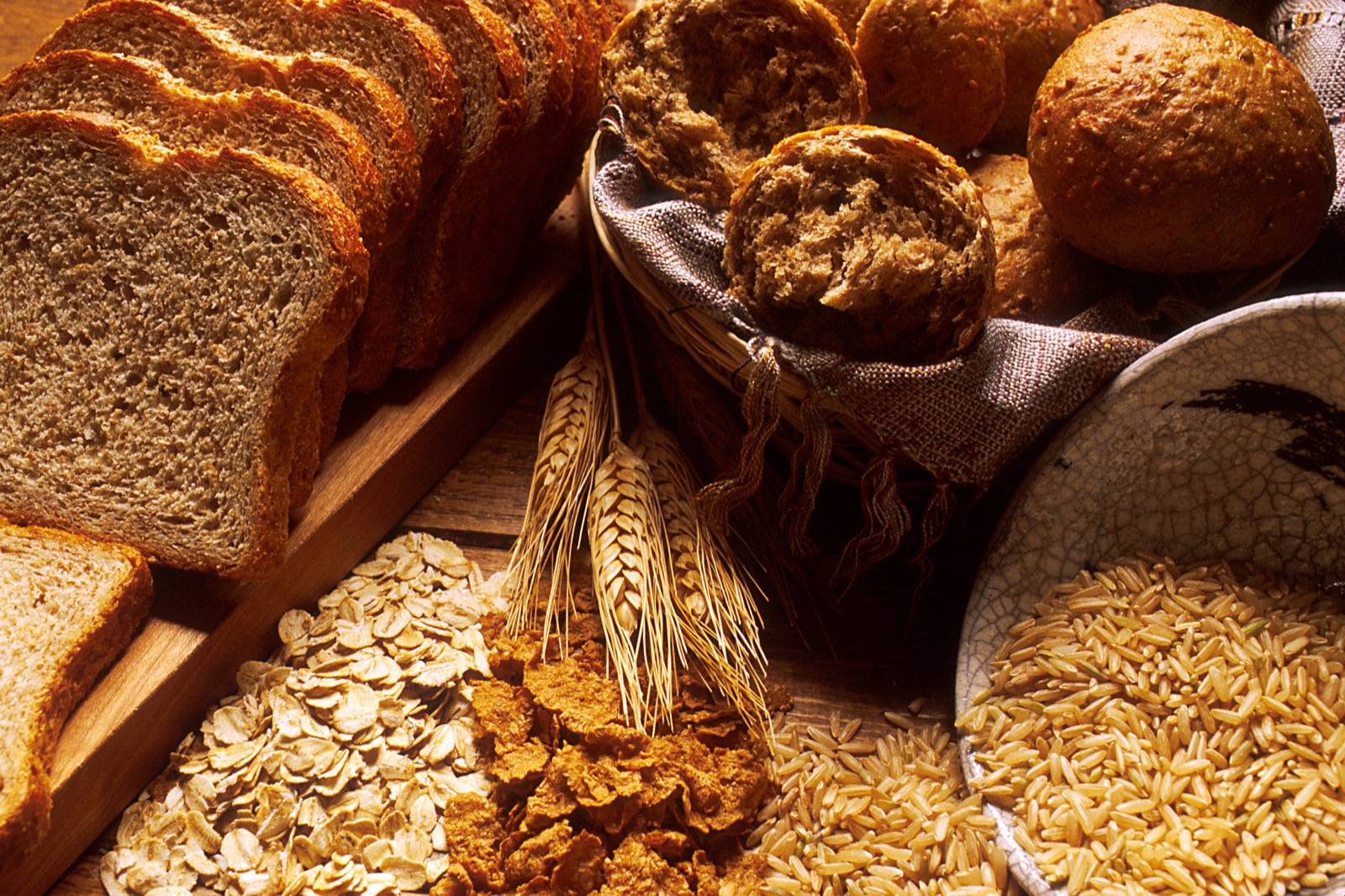
- Bread and grains.jpgWikimedia Commons · Public-domain US National Cancer Institute photograph, reused as a general grain illustration.
General information, not medical advice. This was a small, acute laboratory study and did not measure long-term muscle gain, strength or health outcomes. If you have kidney disease or another condition that affects protein needs, discuss protein supplements and targets with your qualified clinician or dietitian.
Analysis by NutroPractic from the sources listed. Written for general readers; it does not replace advice from your own doctor.
From our articles
Our guides on this subject
Plain-language guides on nutrition and wellness, backed by research.
Weight-loss medicines
Eating on Ozempic, Wegovy or Mounjaro: protein first, so the weight you lose isn't your muscle
GLP-1 medicines shrink your appetite, and with it often your protein. In the big trials a quarter to more than a third of the weight lost was lean mass. What the 2025 joint nutrition advisory recommends, the arithmetic for your own target, and four small plates that get there.
8 Oct 2026
Healthy ageing
Protein after 40: how much you really need, and why timing matters
The standard protein target was set to prevent deficiency, not to protect muscle as you age. What the research and expert groups suggest for adults over 40, how to spread protein across the day, and easy ways to hit 25 to 30 grams at breakfast.
3 Oct 2026
Women's health
Eating through menopause: what changes for your bones, muscle and heart, and what to put on the plate
Around the final period, bone density at the spine drops by about 2% a year and LDL cholesterol jumps within a year or two. Hot flushes get the attention, but these quieter changes are where food and strength training do the most. Targets for protein, calcium and vitamin D, an honest look at soy, and a week you can start on Monday.
8 Oct 2026
Newsfeed for your website
Want this feed on your website?
Add it to any site with one copy-and-paste snippet. No sign-up, and it updates itself every hour.
Start with a virtual consultation
Tell Dr. Triveni what you want to change. You will leave with a clear next step, whether you are in Toronto, London, New York or Chennai.