Child nutrition · November 14, 2026
Nutritious plant-based diets lowered blood pressure in 3,990 children — without driving up grocery bills
In the Dutch Generation R Study, children eating high-quality plant foods had lower systolic pressure and cholesterol by age 10, while unhealthful plant diets saved money but sacrificed health.
Adopting plant-based eating patterns is increasingly recommended for long-term cardiovascular health and environmental sustainability, but pediatricians and families often express concern regarding dietary nutritional adequacy, cost barriers, and whether all plant-focused diets benefit growing children equally.
A prospective study published in The American Journal of Clinical Nutrition examined data from 3,990 children participating in the Generation R cohort in the Netherlands. Researchers assessed food frequency questionnaires at age 8, categorizing diets using three validated scores: an overall plant-based diet index (PDI), a healthful index (hPDI, rich in whole grains, fruits, vegetables, and legumes), and an unhealthful index (uPDI, dominated by refined grains, sweets, and juices).
Tracking children to age 10, the study found that higher adherence to a healthful plant-based diet was significantly associated with lower systolic and diastolic blood pressure, as well as lower total cholesterol concentrations. Serum metabolomics in a subset of 402 children revealed that high hPDI scores correlated with distinct, favorable amino acid and lipid profiles.
Crucially, the researchers paired dietary intakes with local retail food price data to calculate daily food expenditure. While the unhealthful plant diet was indeed the cheapest, children scoring highest on the healthful plant-based diet had daily grocery costs comparable to standard omnivorous diets. Wholesome plant nutrition does not require expensive specialty items to deliver measurable cardiovascular gains.
Childhood plant-based diet indices and cardiometabolic markers in Generation R (November 2026)
3,990
Children followed prospectively from age 8 to age 10
3 indices
Overall (PDI), Healthful (hPDI), and Unhealthful (uPDI) scores
Lower BP
Systolic and diastolic blood pressure associated with high hPDI
402 children
Metabolomics sub-cohort evaluated via LC-MS/MS
No cost penalty
Healthful plant-based diet did not increase total daily food cost
Population-based prospective cohort study tracking diet quality, serum metabolomics, cardiometabolic risk markers, and calculated food expenditures.
- The Generation R Study is a population-based prospective cohort in Rotterdam following children from fetal life into young adulthood.
- Healthful plant-based indices award positive scores to whole plant foods while penalizing ultra-processed plant products and animal foods.
- Childhood blood pressure trajectories strongly correlate with adult vascular stiffness and premature cardiovascular risk.
- Legumes and whole grains provide potassium, magnesium, and dietary fiber that support healthy vascular tone in youth.
- Childhood plant-based diet quality and cardiometabolic health, metabolite profiles, and dietary costs: a population-based cohort studyThe American Journal of Clinical Nutrition / PubMed · Primary prospective cohort analysis on childhood plant-based diet quality, cardiometabolic outcomes, metabolomics, and costs. DOI: 10.1016/j.ajcnut.2026.101524.
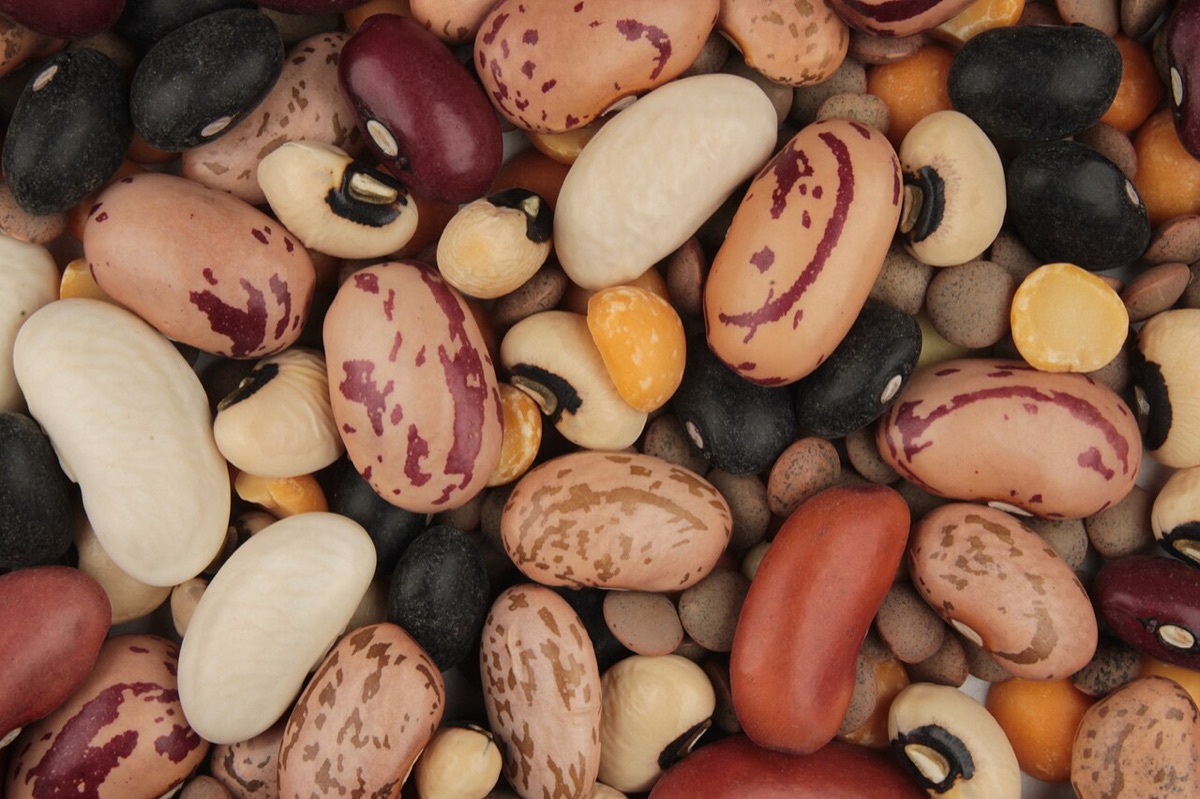
- Mixture of beans, peas and pardina lentilsWikimedia Commons · Photo: Bean appreciator, CC0. General plant protein illustration.
General information, not medical advice. Growing children require well-planned diets ensuring sufficient energy, protein, iron, zinc, and vitamin B12; consult a pediatric dietitian when planning family dietary transitions.
Analysis by NutroPractic from the sources listed. Written for general readers; it does not replace advice from your own doctor.
From our articles
Our guides on this subject
Plain-language guides on nutrition and wellness, backed by research.
Micronutrients
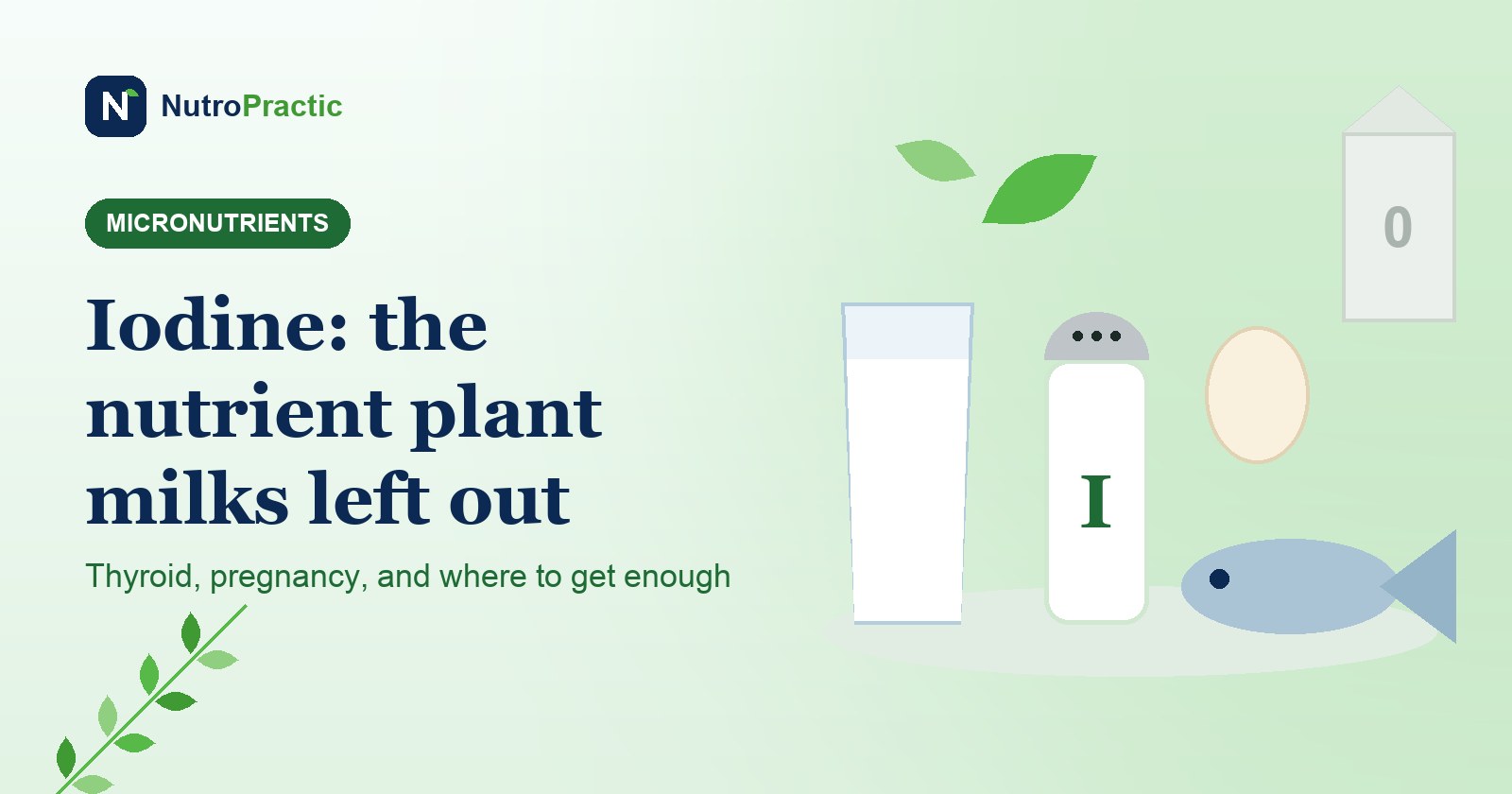
Iodine: the nutrient that plant-based milks and sea salt left out
Iodine runs the thyroid and builds a baby's brain, and in the UK, much of Europe and parts of North America women of childbearing age are now mildly short of it. The reason is often a healthy-looking swap: oat milk for dairy, sea salt for table salt. Where iodine comes from, who needs more, and the seaweed trap.
30 Oct 2026
Heart and blood pressure
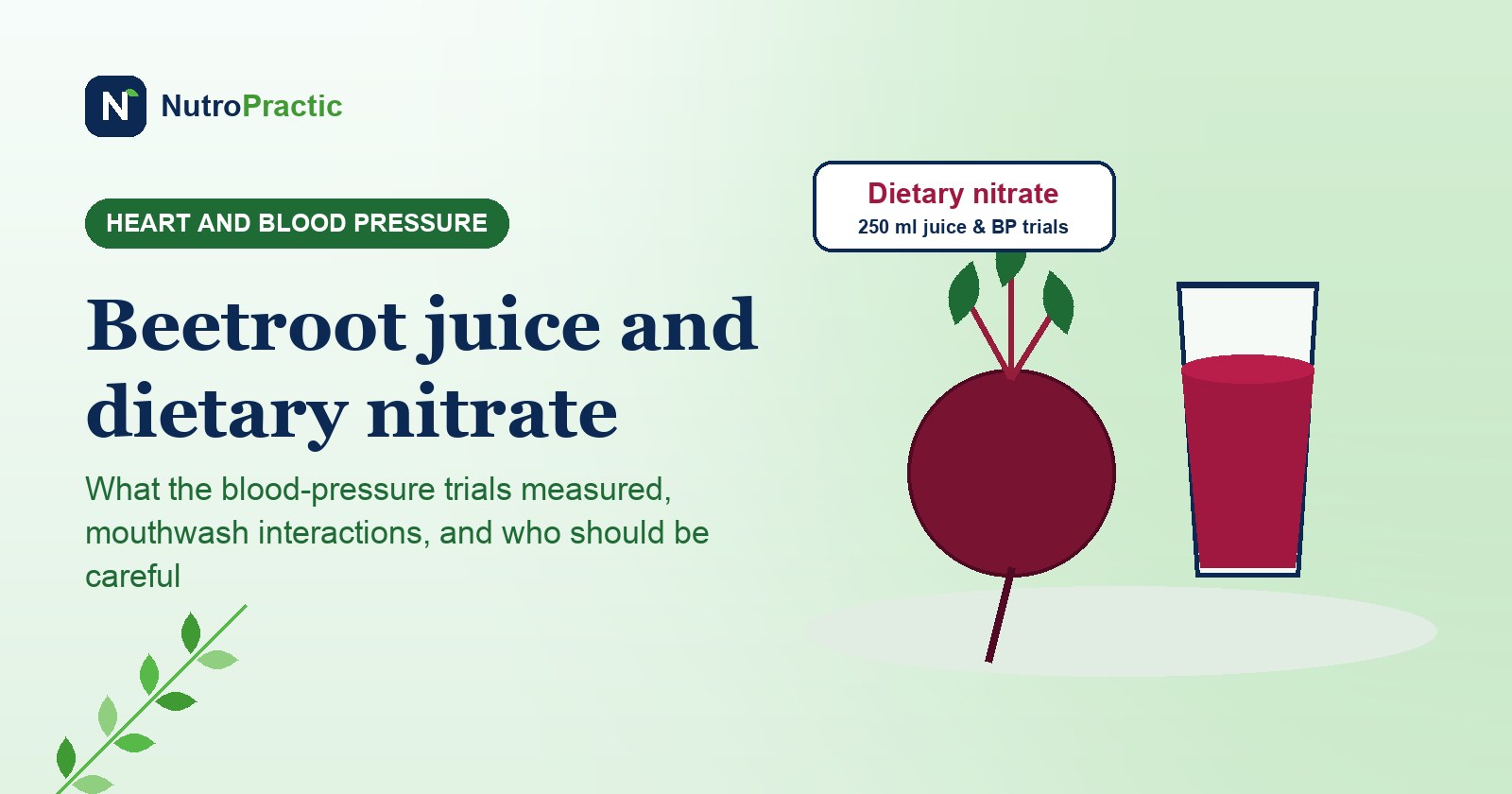
Beetroot juice and dietary nitrate: what the blood-pressure trials measured, and who should be careful
Drinking 250 ml of beetroot juice dropped clinic systolic blood pressure by 7.7 mmHg in 4-week clinical trials. Here is how tongue bacteria convert dietary nitrate to nitric oxide, why antiseptic mouthwash blocks it completely, and the oxalate kidney stone warning.
18 Nov 2026
Everyday eating
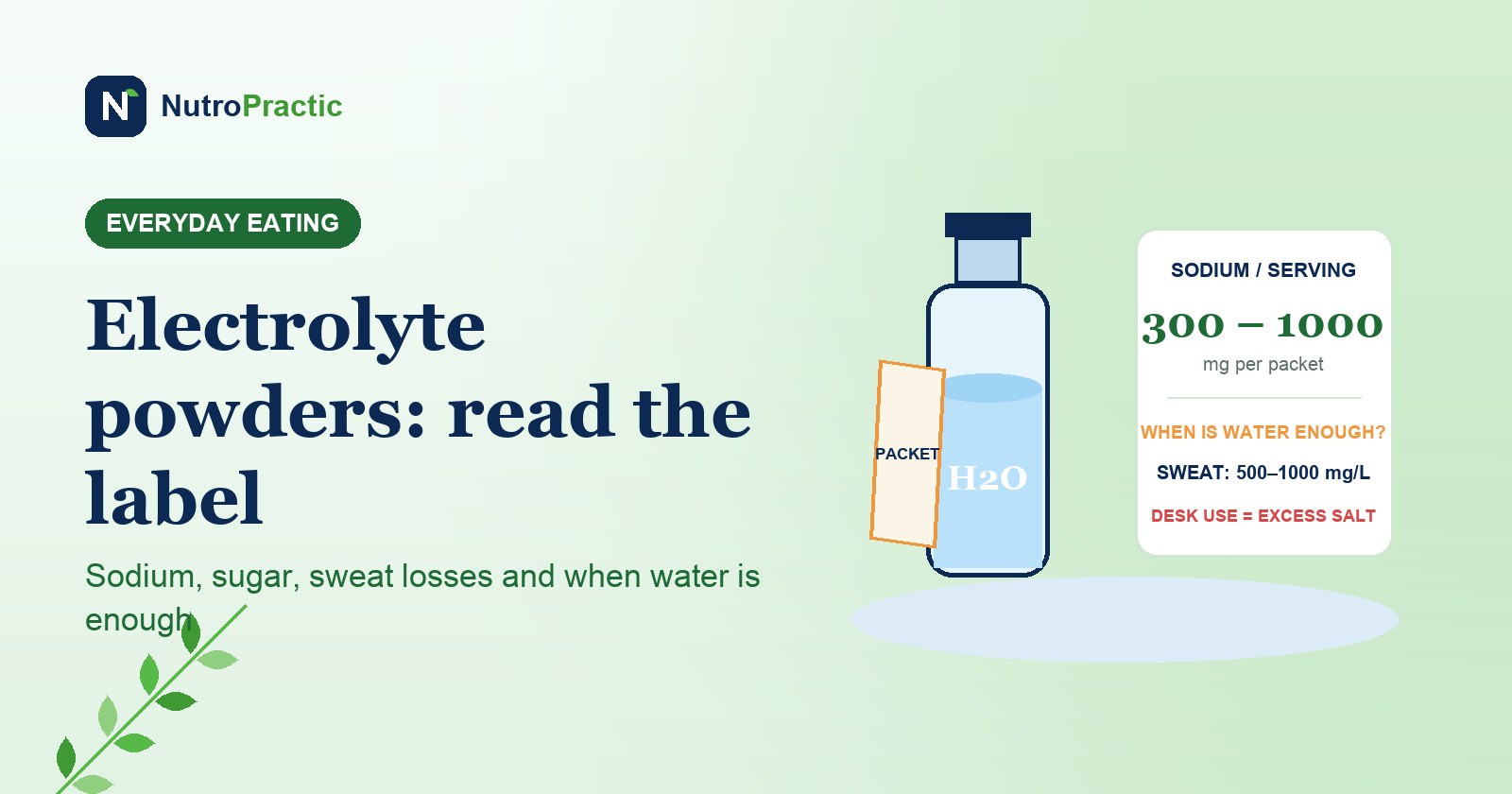
Electrolyte powders: sodium and sugar per bottle, and when water is enough
Packets deliver 300 to 1,000 mg sodium and up to 11 g sugar. Here is how popular drink mixes compare with actual sweat losses—and who actually needs them.
10 Nov 2026
Newsfeed for your website
Want this feed on your website?
Add it to any site with one copy-and-paste snippet. No sign-up, and it updates itself every hour.
Start with a virtual consultation
Tell Dr. Triveni what you want to change. You will leave with a clear next step, whether you are in Toronto, London, New York or Chennai.