Bioactive phytonutrients & cognitive health · November 22, 2026
Capsaicin supplementation enhances cerebrovascular responsiveness to cognitive demand and improves working memory in 12-week randomized trial
A randomized, double-blind, placebo-controlled trial published in Nutrients investigated whether daily capsaicinoid supplementation enhances cerebral blood flow regulation and cognitive performance in overweight and older adults, demonstrating significant improvements in neurovascular coupling and working memory alongside modest waist circumference reductions.
Age-related cognitive decline and neurodegenerative vulnerabilities are intimately intertwined with microvascular health. As human beings age, cerebral blood vessels progressively lose their elasticity and dilatory responsiveness, a process frequently accelerated by obesity, chronic low-grade systemic inflammation, and endothelial dysfunction. In the brain, this blunts neurovascular coupling—the essential physiological mechanism by which cerebral arterioles rapidly dilate to deliver oxygenated blood and glucose to active neuronal circuits during mental effort. Interventions that stimulate vascular nitric oxide release and cerebral perfusion have therefore become prime targets in nutritional neuroscience.
Preclinical models have long indicated that capsaicin—the principal pungent alkaloid found in chili peppers—acts as a potent agonist of Transient Receptor Potential Vanilloid 1 (TRPV1) channels, promoting endothelial nitric oxide synthase activation, blunting neuroinflammatory cytokine cascades, and modulating metabolic expenditure. However, clinical human trials evaluating whether oral capsaicinoids can safely cross or signal across the gut-brain axis to enhance cerebral hemodynamics have been historically scarce, largely due to mucosal pungency and gastrointestinal tolerability constraints.
To address this clinical knowledge gap, researchers at the University of Southern Queensland conducted a 12-week randomized, double-blind, placebo-controlled clinical trial published in Nutrients. The investigators randomized 40 overweight and older community-dwelling adults to receive either a placebo or 200 mg/day of Capsifen®, a patented, enteric-coated beadlet formulation delivering standardized capsaicinoids without upper gastrointestinal irritation. Using transcranial Doppler ultrasonography, the researchers monitored bilateral middle cerebral artery blood flow velocity to quantify cerebrovascular responsiveness (CVR) during physiological hypercapnia (carbon dioxide inhalation) and during demanding cognitive testing, alongside an extensive computerized cognitive test battery and anthropometric tracking.
The clinical trial demonstrated that 12 weeks of capsaicin supplementation induced a statistically significant increase in cerebrovascular responsiveness to cognitive stimuli (neurovascular coupling) compared to the placebo arm, which exhibited progressive hemodynamic decline over the study period. Parallel improvements were observed in global cognitive composite scores, particularly within working memory and executive processing speed domains. Furthermore, participants receiving active capsaicinoids experienced modest yet significant reductions in waist circumference and waist-to-hip ratio, reflecting beneficial metabolic adjustments. The authors concluded that standardized capsaicinoid supplementation represents a promising, accessible nutritional strategy to support neurovascular coupling and maintain cognitive resilience in aging adults.
12-week randomized placebo-controlled capsaicin trial (Nutrients, Nov 2026)
Improved
Statistically significant rise in neurovascular coupling during cognitive demand
200 mg/day
Daily beadlet formulation delivering standardized non-pungent capsaicinoids
p < 0.05
Significant gains in computerized working memory and executive function scores
12 Weeks
Double-blind, placebo-controlled intervention period in adults aged 50+
Randomized, double-blind, placebo-controlled trial by Australian clinical researchers published in Nutrients (November 2026, doi: 10.3390/nu18213613).
- Capsaicin binds to TRPV1 receptors on vascular endothelial cells, triggering calcium influx that upregulates endothelial nitric oxide synthase (eNOS) and promotes vasodilation.
- Neurovascular coupling ensures that cerebral blood flow increases locally within milliseconds of neuronal firing to prevent transient hypoxia during cognitive tasks.
- Enteric beadlet encapsulation allows pungent capsaicinoids to pass intact through the acidic stomach, releasing active compounds directly in the duodenum to prevent heartburn.
- Excess adiposity and visceral fat generate circulating inflammatory cytokines that directly impair the sensitivity of brain blood vessels to physiological vasodilatory signals.
- The Preliminary Effects of Capsaicin Supplementation on Cerebrovascular Function and Cognition in Middle-Aged and Older Adults Who Are Overweight or ObeseNutrients · Primary randomized, double-blind, placebo-controlled trial. Published November 2026.
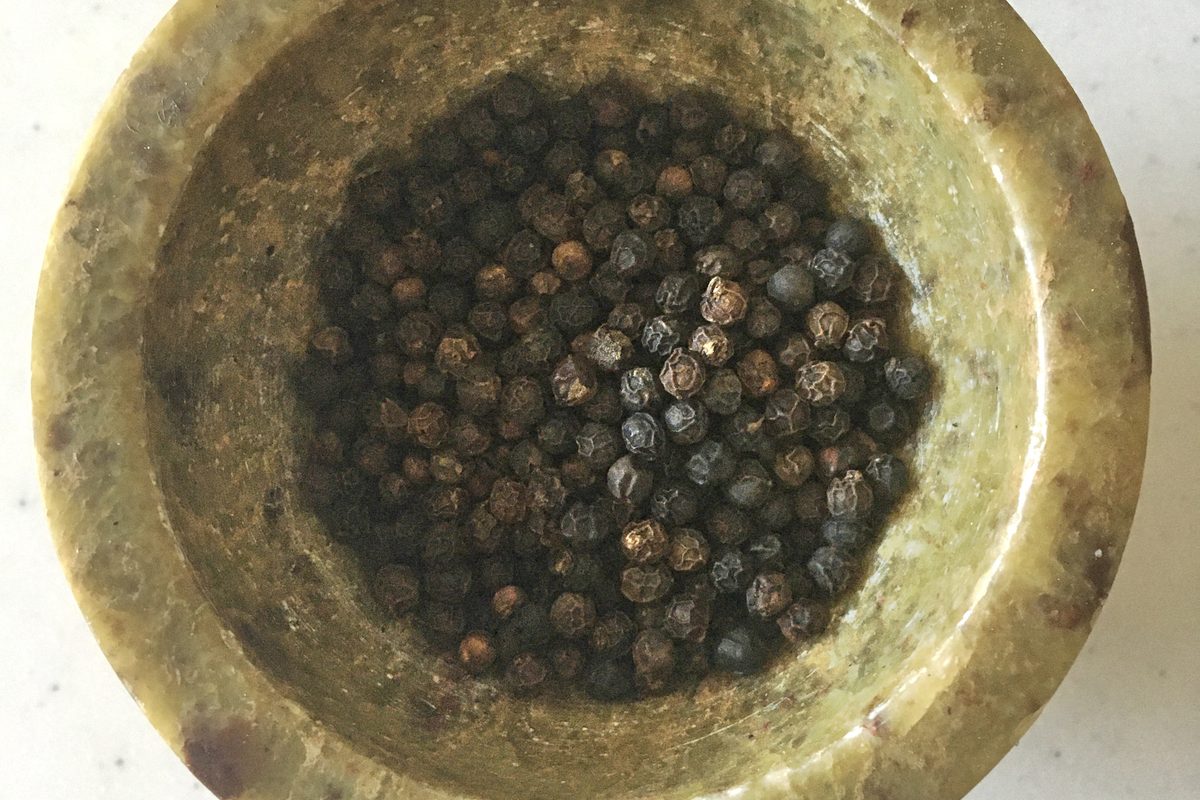
- Tellicherry Black PeppercornsWikimedia Commons · Photo by Misterneedlemouse, CC0 public domain dedication.
Educational summary of clinical nutrition and vascular health research. Individuals should consult a physician and registered dietitian before starting novel botanical supplements, especially if taking anticoagulant or antihypertensive medications.
Analysis by NutroPractic from the sources listed. Written for general readers; it does not replace advice from your own doctor.
From our articles
Our guides on this subject
Plain-language guides on nutrition and wellness, backed by research.

Women's wellness and nutrition
Creatine for women: cognitive performance, menstrual cycle phases, and bone density beyond muscle building
Creatine is widely stereotyped as a bodybuilding supplement for men, but female physiology tells a very different story. Women exhibit 70% to 80% lower endogenous creatine stores, reduced dietary intake, and cyclical fluctuations in brain creatine kinase across the follicular and luteal phases. Robust clinical trials demonstrate that 3 to 5 grams of daily creatine monohydrate enhances cognitive performance during sleep deprivation, augments clinical response in unipolar depression, preserves femoral neck bone geometry in postmenopausal women, and causes cellular intracellular hydration rather than subcutaneous bloating.
13 Nov 2026

Food and nutrition
L-theanine and caffeine: what cognitive trials measured on sustained attention, and milligrams in matcha vs green tea
Combining L-theanine with caffeine produces clean focus without caffeine jitters. Here is what randomized trials measured on attention-switching, EEG alpha brain waves, and the exact milligrams across ceremonial matcha, culinary powder, gyokuro, and sencha.
20 Nov 2026

Healthy ageing
Creatine beyond the gym: what it does for older adults and women, and what it doesn't
Across 22 trials, adults in their late fifties to seventies who took creatine while doing resistance training gained about 1.4 kg more lean mass than those who trained without it. Two two-year trials found it did nothing for bone density after menopause. Where the evidence is solid, where it's early (memory, short nights), how much to take, and who should leave it alone.
10 Oct 2026
Newsfeed for your website
Want this feed on your website?
Add it to any site with one copy-and-paste snippet. No sign-up, and it updates itself every hour.
Start with a virtual consultation
Tell Dr. Triveni what you want to change. You will leave with a clear next step, whether you are in Toronto, London, New York or Chennai.