Cancer survivorship · November 7, 2026
A 12-week exercise study in 27 breast-cancer survivors found glucose variability moved differently — an intriguing result too small for a treatment claim
Fifteen women received supervised aerobic training plus Mediterranean-diet guidance; 12 received guidance alone. Both groups improved some cardiometabolic measures.

Researchers analysed a continuous-glucose-monitoring subgroup from the MoviS clinical trial. Twenty-seven breast-cancer survivors, average age 52.3 years, were randomised: 15 completed a 12-week supervised aerobic program plus Mediterranean-diet and physical-activity recommendations, while 12 received the recommendations without supervised training.
Both groups improved cardiometabolic health measures. Inter-day glucose variability increased in the guidance-only group, producing a different pattern between groups over time. Across monitored days, exercise days also came with higher reported oligosaccharide and fibre intake and lower mean glucose; glucose rose on non-exercise days, particularly in the control group.
Those day-level links do not isolate what exercise caused. People may eat differently on exercise days, and the intervention combined training with guidance while the comparator still received guidance. With only 27 women and several CGM, diet and cardiometabolic outcomes, this was explicitly exploratory. It shows how wearable glucose data can enrich a survivorship trial, not that survivors should chase daily sensor readings or adopt a one-size-fits-all plan.
A small randomized CGM subgroup
27
Breast-cancer survivors in the exploratory analysis
52.3 ± 8.6 years
Mean participant age
15
Supervised aerobic training plus diet and activity recommendations
12
Diet and activity recommendations without supervised training
12 weeks
Intervention duration
Randomized exploratory subgroup with continuous glucose monitoring. The very small sample, multiple outcomes and differences between exercise and non-exercise days limit precision and causal interpretation of individual CGM patterns.
- Continuous glucose monitors measure glucose in fluid between cells, which can lag behind blood glucose.
- Glycaemic variability describes swings and day-to-day differences, not just average glucose.
- Cancer treatments and endocrine therapies can affect body composition and metabolic risk differently across individuals.
- A sensor can generate thousands of readings, but more measurements do not compensate for having few participants.
- Effects of a 12-week aerobic exercise and nutrition intervention on continuous glucose monitoring-derived glycemic variability in breast cancer survivors: an exploratory studyScientific Reports, 4 November 2026 · Primary open-access randomized exploratory study; sample, allocation, intervention, CGM analysis and direction of reported findings checked against the article.
- Fruits in bowl — oranges, lime and applesWikimedia Commons · Photograph by Gerardolagunes, CC0; general nutrition illustration only.
General information, not medical advice. Cancer survivors should discuss exercise, diet and glucose monitoring with their oncology and rehabilitation teams, particularly when treatment effects or other conditions affect safety.
Analysis by NutroPractic from the sources listed. Written for general readers; it does not replace advice from your own doctor.
From our articles
Our guides on this subject
Plain-language guides on nutrition and wellness, backed by research.
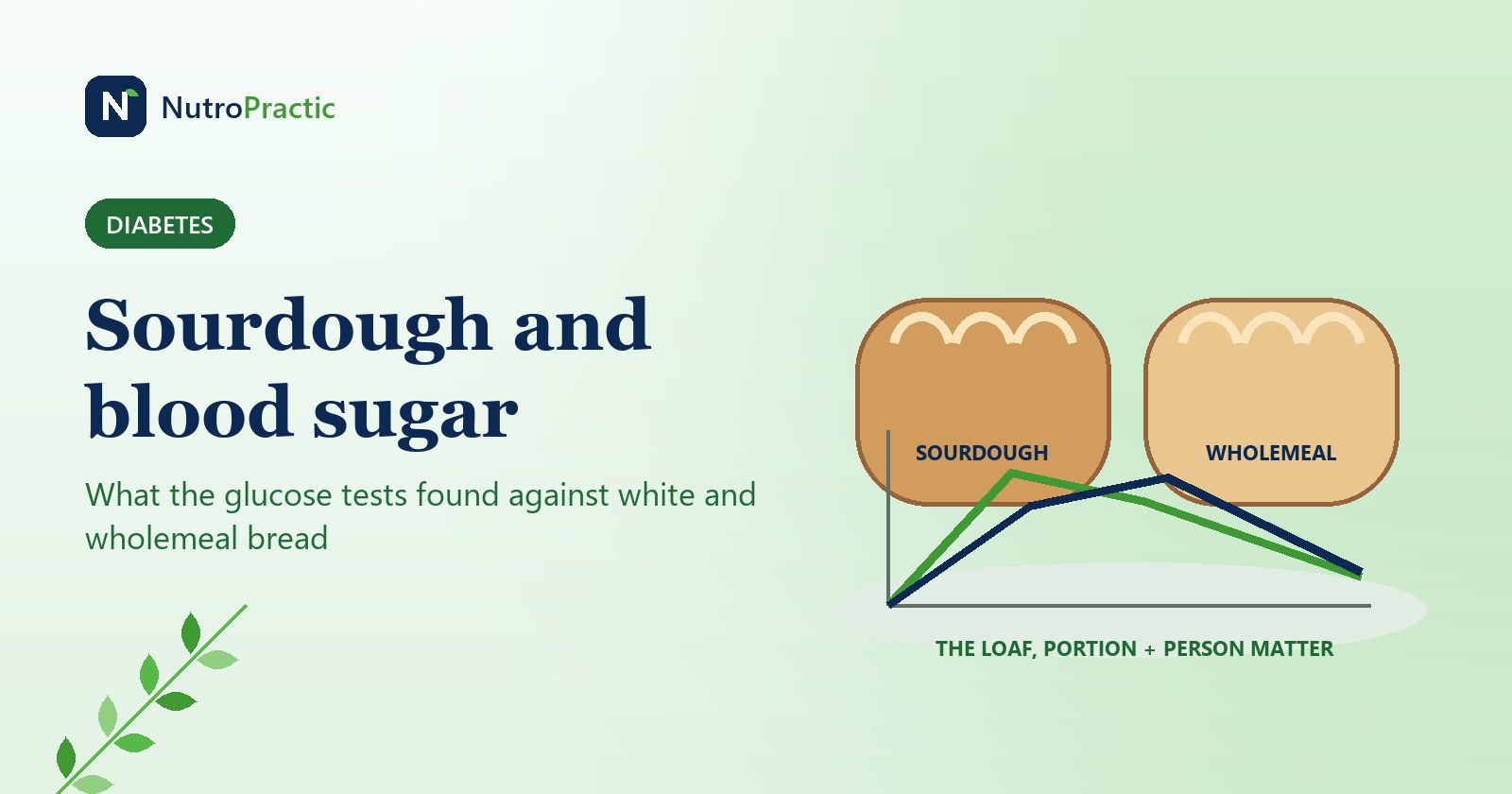
Diabetes
Sourdough and blood sugar: what the glucose tests found against white and wholemeal bread
Sourdough did not beat white bread on average in a 20-person crossover trial, and half responded better to white. A trial-by-trial look at fermentation, flour, portions, GI and how to test your own loaf fairly.
6 Nov 2026
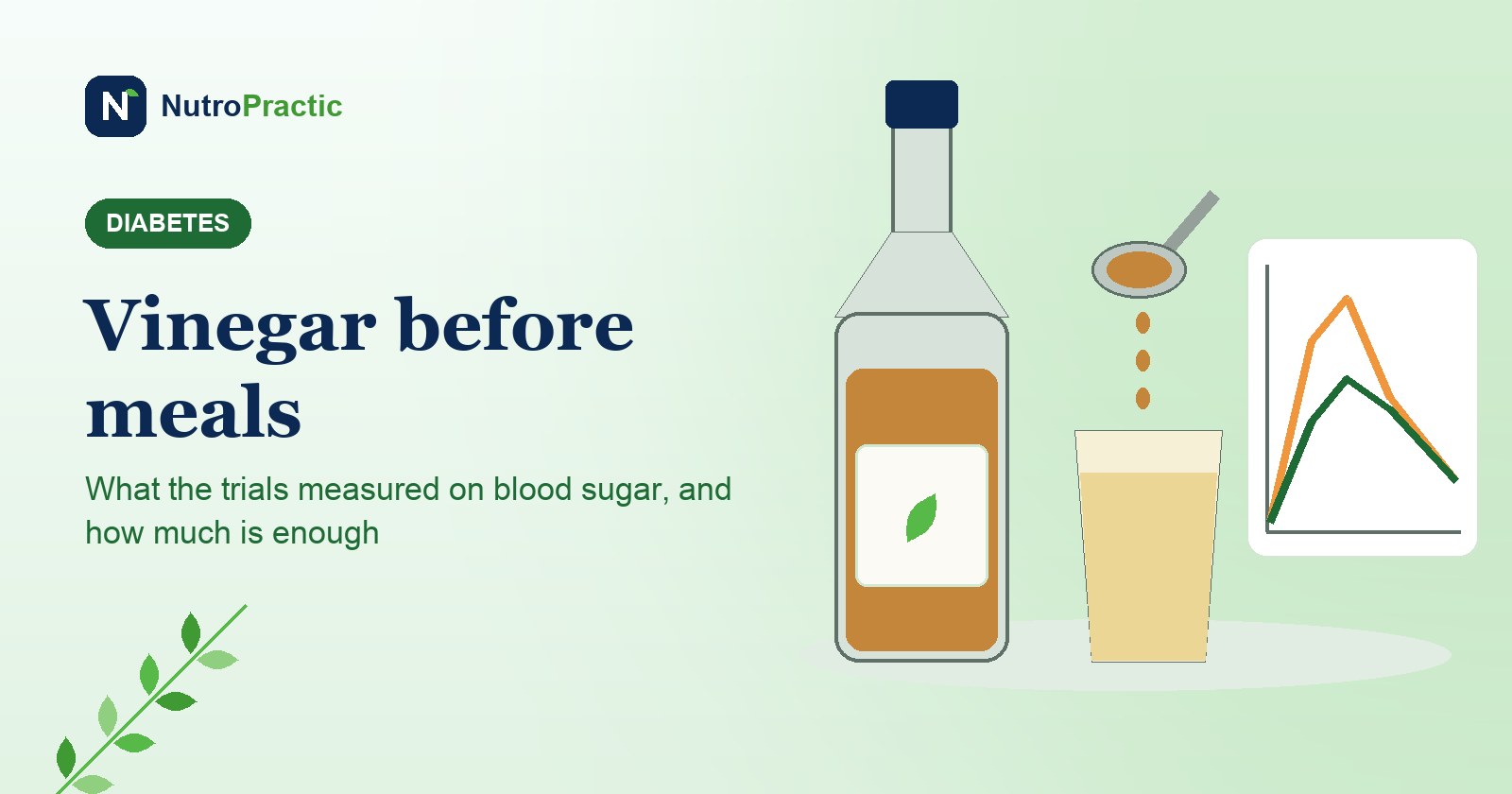
Diabetes
Vinegar before meals: what the trials measured on blood sugar, and how much is enough
Two teaspoons to a tablespoon with a starchy meal trims the glucose peak at 30 minutes, and the gap fades by two hours. HbA1c reviews range from -0.39 to -1.53, and we explain which to trust. Two gummies hold about 50 mg of acetic acid against 750 mg in a tablespoon.
5 Nov 2026
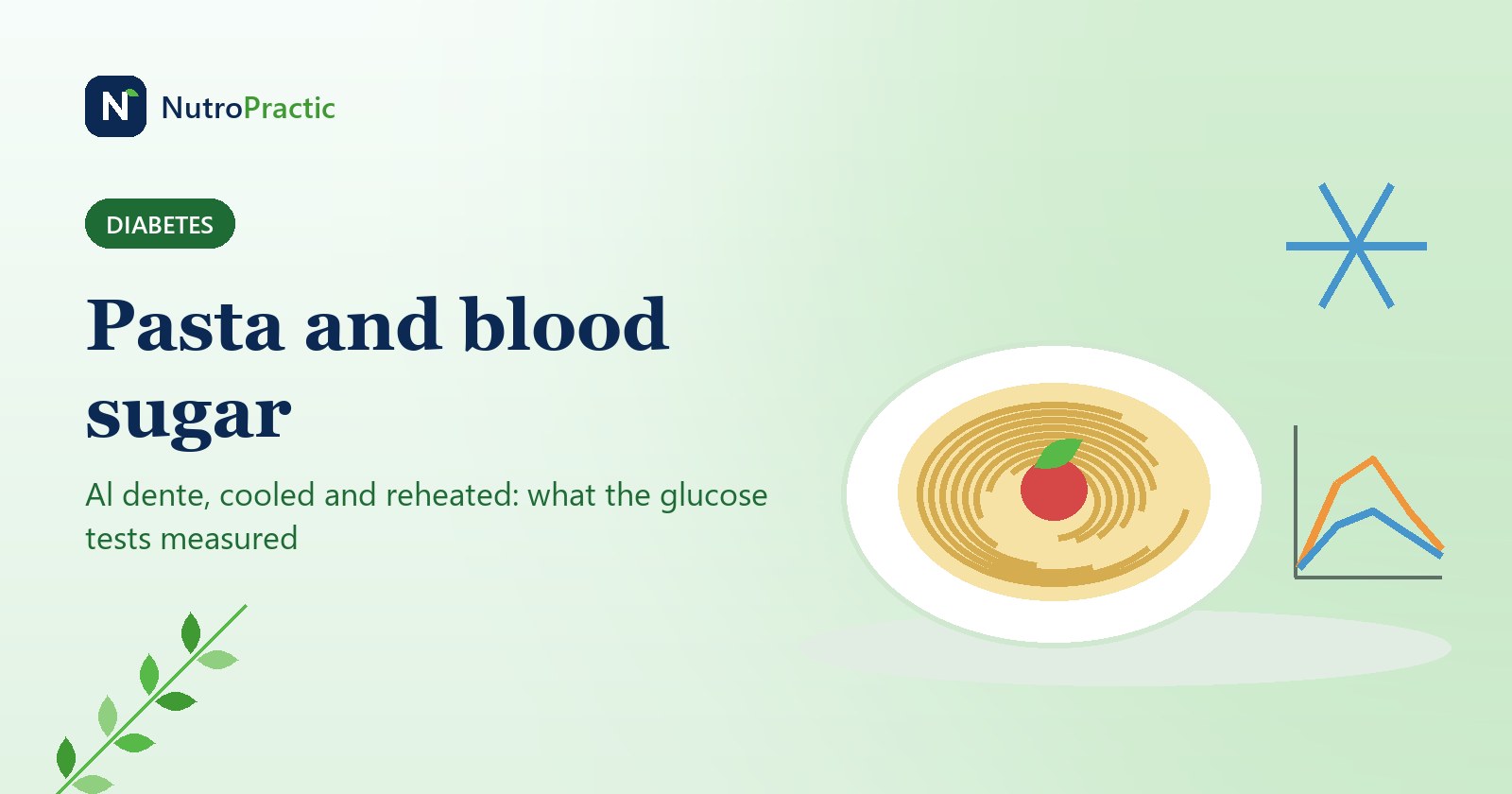
Diabetes
Pasta and blood sugar: al dente, cooled and reheated, and what the glucose tests measured
Head-to-head tests found little gap between 5 and 15 minutes of boiling. Chilling and reheating ranged from no change to a large drop. Moving from 80 g to 150 g adds 50 g of carbs. The tests, the sums, and legume and whole-wheat pastas per 100 g.
4 Nov 2026
Newsfeed for your website
Want this feed on your website?
Add it to any site with one copy-and-paste snippet. No sign-up, and it updates itself every hour.
Start with a virtual consultation
Tell Dr. Triveni what you want to change. You will leave with a clear next step, whether you are in Toronto, London, New York or Chennai.