Neurocognitive Health & Lifestyle Gerontology · November 23, 2026
High B-Vitamin Intake and Physical Activity Jointly Cut Cognitive Impairment Odds by 66% in Older Adults
A cross-sectional investigation of 12,573 older adults reveals that combining high dietary intake of vitamins B6, B12, and folate with regular physical activity slashes the odds of cognitive impairment by nearly two-thirds, though socioeconomic disparities strongly moderate the degree of neuroprotection.
Observational evidence has long linked individual B vitamins and routine aerobic exercise to neurocognitive preservation in aging cohorts. However, whether dietary B-complex micronutrients and physical exertion exert synergistic or additive protection against cognitive decline—and how these lifestyle benefits intersect with socioeconomic resource gradients—has remained unclear. A comprehensive epidemiological investigation by researchers in Shanghai evaluated 12,573 community-dwelling adults aged 60 and older from the Shanghai Aging and Retirement Evaluation Survey to clarify this relationship.
Cognitive function was assessed using education-adjusted Mini-Mental State Examination (MMSE) cut-offs, with dietary B-vitamin intakes (thiamine, riboflavin, niacin, pyridoxine B6, cobalamin B12, and folate) captured via validated food frequency questionnaires alongside standardized physical activity logs. Independent multivariable modeling demonstrated that each standard deviation increase in dietary B vitamins and physical activity was associated with 32% (OR = 0.68) and 30% (OR = 0.70) lower odds of cognitive impairment, respectively.
When evaluating joint lifestyle exposures, participants sustaining both high dietary B-vitamin consumption and robust physical activity experienced the lowest odds of cognitive impairment (multivariable-adjusted OR = 0.34; 95% CI: 0.26–0.44) compared with inactive peers consuming low B-vitamin diets. Intriguingly, socioeconomic status (SES) exerted a significant effect modification: among high-SES participants, the joint protective association was exceptionally pronounced (OR = 0.21), whereas among low-SES individuals, the protective association remained meaningful but attenuated (OR = 0.49).
Mechanistically, B vitamins act as indispensable coenzymes in one-carbon metabolism, homocysteine remethylation, and myelin maintenance, mitigating neurotoxic endothelial damage and oxidative brain strain. Physical activity stimulates cerebral blood flow, vascular endothelial growth factor (VEGF), and brain-derived neurotrophic factor (BDNF). The researchers emphasize that public health strategies targeting dementia risk must concurrently improve access to nutrient-dense whole foods and safe recreational environments across underserved socioeconomic strata.
Joint Lifestyle Associations and Cognitive Risk Across 12,573 Older Adults
12,573
community-dwelling adults aged 60+ in the Shanghai Aging and Retirement Survey
0.34
adjusted odds ratio for cognitive impairment with high B vitamins plus high activity
66%
relative risk reduction for cognitive impairment in the combined high-intake high-activity group
0.21 vs 0.49
odds ratios demonstrating stronger joint neuroprotection in high-SES vs low-SES strata
Cognitive status determined via education-stratified MMSE cut-off scores; models adjusted for age, sex, BMI, smoking, hypertension, diabetes, and total energy intake.
- Vitamin B12 and folate collaborate directly in the methionine synthase cycle to convert neurotoxic homocysteine into methionine, preventing microvascular cerebral hypoperfusion.
- Physical activity upregulates hippocampal BDNF transcription, creating a synergistic neuroplastic substrate when paired with adequate neurotrophic micronutrients.
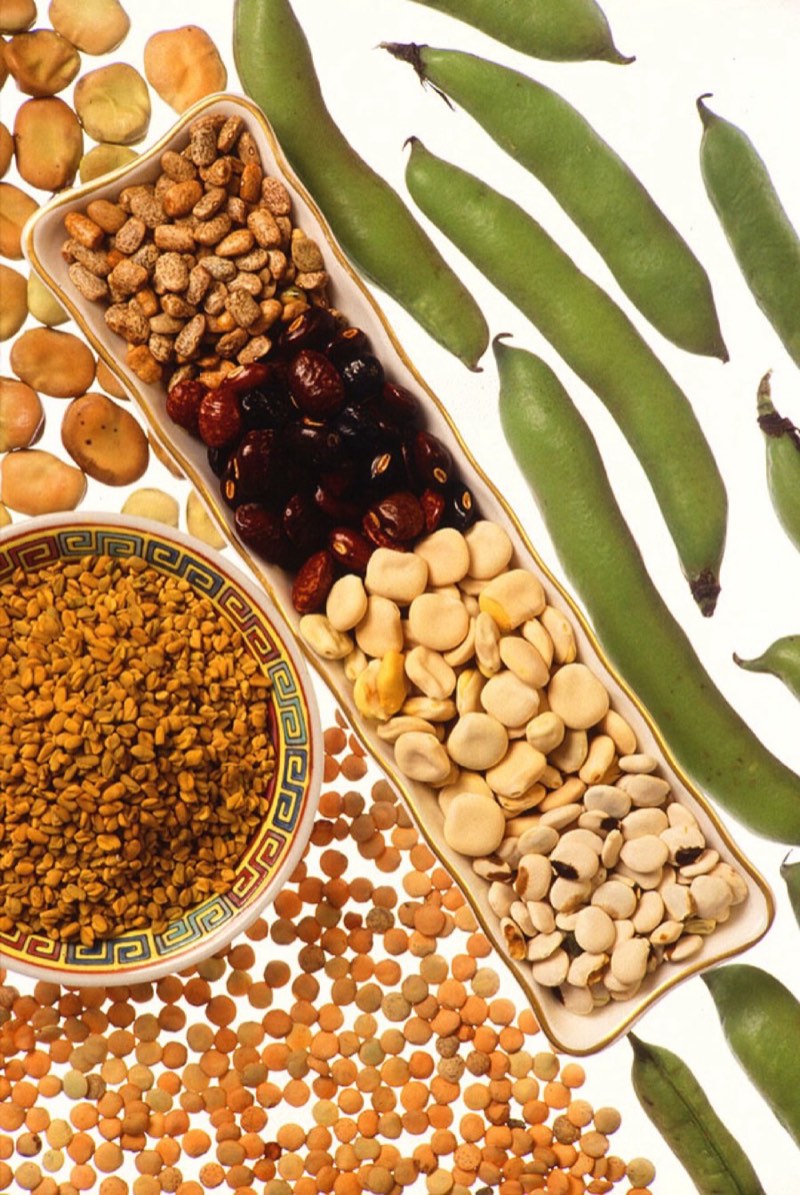
- Socioeconomic disparities in nutrition often reflect the 'affordability gap' for nutrient-dense green leafy vegetables, legumes, and animal proteins relative to refined staple starches.
- Joint Associations of Dietary B Vitamins and Physical Activity with Cognitive Function in Community-Dwelling Older Adults: Variation by Socioeconomic StatusNutrients · Cross-sectional population study published 20 November 2026.
- File:Various legumes.jpgWikimedia Commons · Photo by Keith Weller, USDA ARS, public domain.
Educational summary of nutrition research, not personal medical advice. Speak to your doctor or dietitian before changing your diet or supplements, especially if you are pregnant, take medicines or have a medical condition.
Analysis by NutroPractic from the sources listed. Written for general readers; it does not replace advice from your own doctor.
From our articles
Our guides on this subject
Plain-language guides on nutrition and wellness, backed by research.

Women's wellness and nutrition
Creatine for women: cognitive performance, menstrual cycle phases, and bone density beyond muscle building
Creatine is widely stereotyped as a bodybuilding supplement for men, but female physiology tells a very different story. Women exhibit 70% to 80% lower endogenous creatine stores, reduced dietary intake, and cyclical fluctuations in brain creatine kinase across the follicular and luteal phases. Robust clinical trials demonstrate that 3 to 5 grams of daily creatine monohydrate enhances cognitive performance during sleep deprivation, augments clinical response in unipolar depression, preserves femoral neck bone geometry in postmenopausal women, and causes cellular intracellular hydration rather than subcutaneous bloating.
13 Nov 2026
Healthy ageing
Creatine beyond the gym: what it does for older adults and women, and what it doesn't
Across 22 trials, adults in their late fifties to seventies who took creatine while doing resistance training gained about 1.4 kg more lean mass than those who trained without it. Two two-year trials found it did nothing for bone density after menopause. Where the evidence is solid, where it's early (memory, short nights), how much to take, and who should leave it alone.
10 Oct 2026

Food and nutrition
L-theanine and caffeine: what cognitive trials measured on sustained attention, and milligrams in matcha vs green tea
Combining L-theanine with caffeine produces clean focus without caffeine jitters. Here is what randomized trials measured on attention-switching, EEG alpha brain waves, and the exact milligrams across ceremonial matcha, culinary powder, gyokuro, and sencha.
20 Nov 2026
Newsfeed for your website
Want this feed on your website?
Add it to any site with one copy-and-paste snippet. No sign-up, and it updates itself every hour.
Start with a virtual consultation
Tell Dr. Triveni what you want to change. You will leave with a clear next step, whether you are in Toronto, London, New York or Chennai.