Cardiovascular health & public nutrition · November 23, 2026
88% of adults in Thailand exceed daily sodium limits while potassium excretion remains dangerously low
A nationwide survey using gold-standard 24-hour urine collections found Thai adults consume nearly double the World Health Organization sodium ceiling, driven by packaged seasonings, while eating very little dietary potassium.
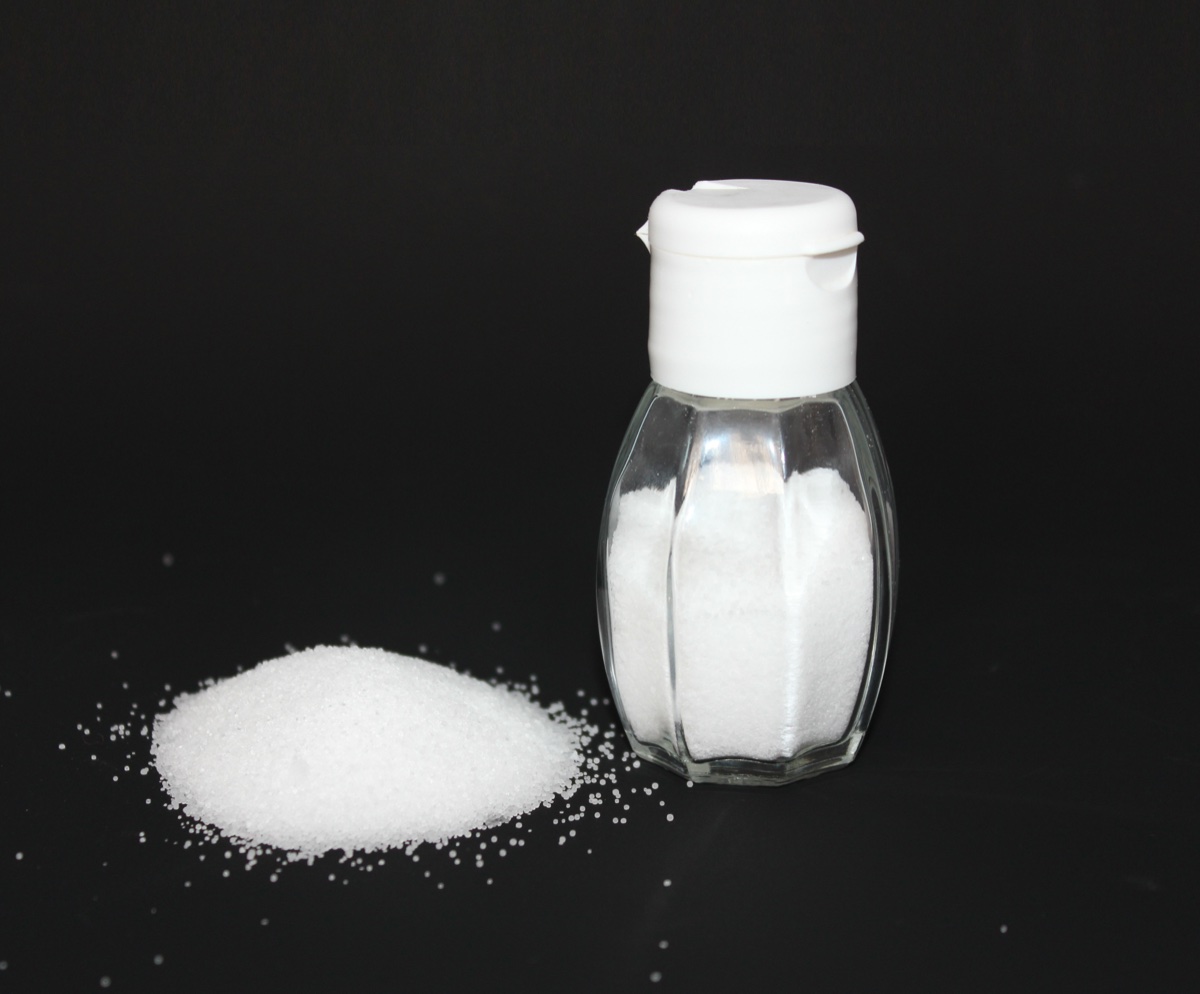
Excessive dietary sodium intake combined with inadequate dietary potassium represents one of the primary preventable causes of systemic hypertension, left ventricular hypertrophy, and cardiovascular mortality worldwide. Spot urine tests and dietary food recalls often suffer from profound estimation bias. To obtain definitive, population-level baseline data, epidemiologists analyzed the National Health Examination Survey VII (NHES VII, 2024–2025) using the gold-standard biomarker: complete 24-hour urinary electrolyte collections.
The survey sampled 2,284 representative Thai adults aged 15 and older across multiple provinces. Each participant completed a verified 24-hour urine collection protocol, with urinary creatinine measured to verify collection completeness. Sodium and potassium concentrations were quantified using ion-selective electrode potentiometry, and intake levels were estimated using World Health Organization (WHO) conversion standards alongside comprehensive anthropometric and clinical histories.
The weighted mean dietary sodium intake among Thai adults was 3,650.2 mg per day (95% CI: 3,586.5 to 3,714.0 mg/day)—nearly double the WHO recommendation of less than 2,000 mg per day (equivalent to 5 grams of salt). A staggering 88.2% of the population exceeded recommended sodium ceilings. Concurrently, mean urinary potassium excretion was critically low at only 1,356.6 mg per day (against WHO goals of ≥3,510 mg/day), yielding an unfavorable sodium-to-potassium (Na/K) molar ratio of 4.8 (ideal target is close to 1.0).
In multivariable logistic regression, severe obesity (BMI ≥ 30 kg/m²) increased the odds of exceeding daily sodium limits nearly three-fold (adjusted odds ratio [AOR] = 2.72, 95% CI: 1.80 to 4.12), while pre-existing coronary artery disease (AOR = 2.57) and elevated blood pressure (AOR = 1.64) were also strongly predictive of high intake. Conversely, adults with a prior stroke (AOR = 0.14) and those with advanced chronic kidney disease (AOR = 0.39) showed markedly lower sodium intake, reflecting strict post-event medical counseling. The authors urged aggressive public health policies, including potassium-enriched salt substitutes and front-of-pack sodium warning labels.
24-hour urine electrolyte surveillance in 2,284 Thai adults (NHES VII)
3,650 mg/d
weighted mean daily sodium intake (nearly double WHO limits)
88.2%
of the adult population exceeding the WHO sodium threshold of 2,000 mg/d
4.8
average urinary sodium-to-potassium molar ratio (ideal is ~1.0)
1,357 mg/d
mean potassium excretion (far below the WHO goal of 3,510 mg/d)
Nationwide population survey published in Nutrients on 16 November 2026.
- Complete 24-hour urinary collection is considered the clinical gold standard for measuring sodium intake because approximately 90% to 95% of ingested sodium is excreted in the urine within 24 hours.
- The sodium-to-potassium (Na/K) ratio is a more potent independent predictor of cardiovascular disease and stroke than either sodium or potassium intake evaluated alone.
- Potassium-enriched salt substitutes typically replace 25% to 30% of sodium chloride with potassium chloride, delivering dual benefits by reducing sodium while boosting potassium.
- Sodium Intake Among Thai Adults Remains a Public Health Concern: Evidence from 24-Hour Urine Collections in NHES VII, 2024–2025Nutrients · Open-access epidemiological survey published 16 November 2026.
- File:Table salt with salt shaker V1.jpgWikimedia Commons · Photo by Poyt448 Peter Broster, CC BY-SA 4.0.
Educational summary of nutrition research, not personal medical advice. Speak to your doctor or dietitian before changing your diet or supplements, especially if you are pregnant, take medicines or have a medical condition.
Analysis by NutroPractic from the sources listed. Written for general readers; it does not replace advice from your own doctor.
From our articles
Our guides on this subject
Plain-language guides on nutrition and wellness, backed by research.
Kidney health
Kidney stones and food: calcium, oxalate, salt, citrate and how much to drink
After a kidney stone, most people are told to cut out dairy. A five-year trial showed that low-calcium diets make calcium stones more likely to come back, not less. Here is what the evidence supports: how much to drink, why calcium belongs with meals, the few high-oxalate foods that matter, salt, meat, lemons, and the 24-hour urine test.
18 Oct 2026
Heart health
Salt, potassium and blood pressure: what the DASH trials and the salt-substitute studies showed
In the DASH-Sodium trial, a better diet with less salt lowered systolic blood pressure by 11.5 points in people with hypertension, about what one tablet does. A potassium-enriched salt cut strokes by 14% in a 21,000-person trial. What those studies tested, where the sodium in your day really comes from, and swaps that don't make dinner taste of nothing.
10 Oct 2026
Heart and blood pressure
Beetroot juice and dietary nitrate: what the blood-pressure trials measured, and who should be careful
Drinking 250 ml of beetroot juice dropped clinic systolic blood pressure by 7.7 mmHg in 4-week clinical trials. Here is how tongue bacteria convert dietary nitrate to nitric oxide, why antiseptic mouthwash blocks it completely, and the oxalate kidney stone warning.
18 Nov 2026
Newsfeed for your website
Want this feed on your website?
Add it to any site with one copy-and-paste snippet. No sign-up, and it updates itself every hour.
Start with a virtual consultation
Tell Dr. Triveni what you want to change. You will leave with a clear next step, whether you are in Toronto, London, New York or Chennai.