Circadian health · November 23, 2026
A wrist-worn rhythm check: weaker body-clock signals went with higher insulin and triglycerides in 716 adults
A week of wearable data on temperature, movement and body position separated adults with steady daily rhythms from those with blunted ones, and the blunted group had a less favourable metabolic profile.
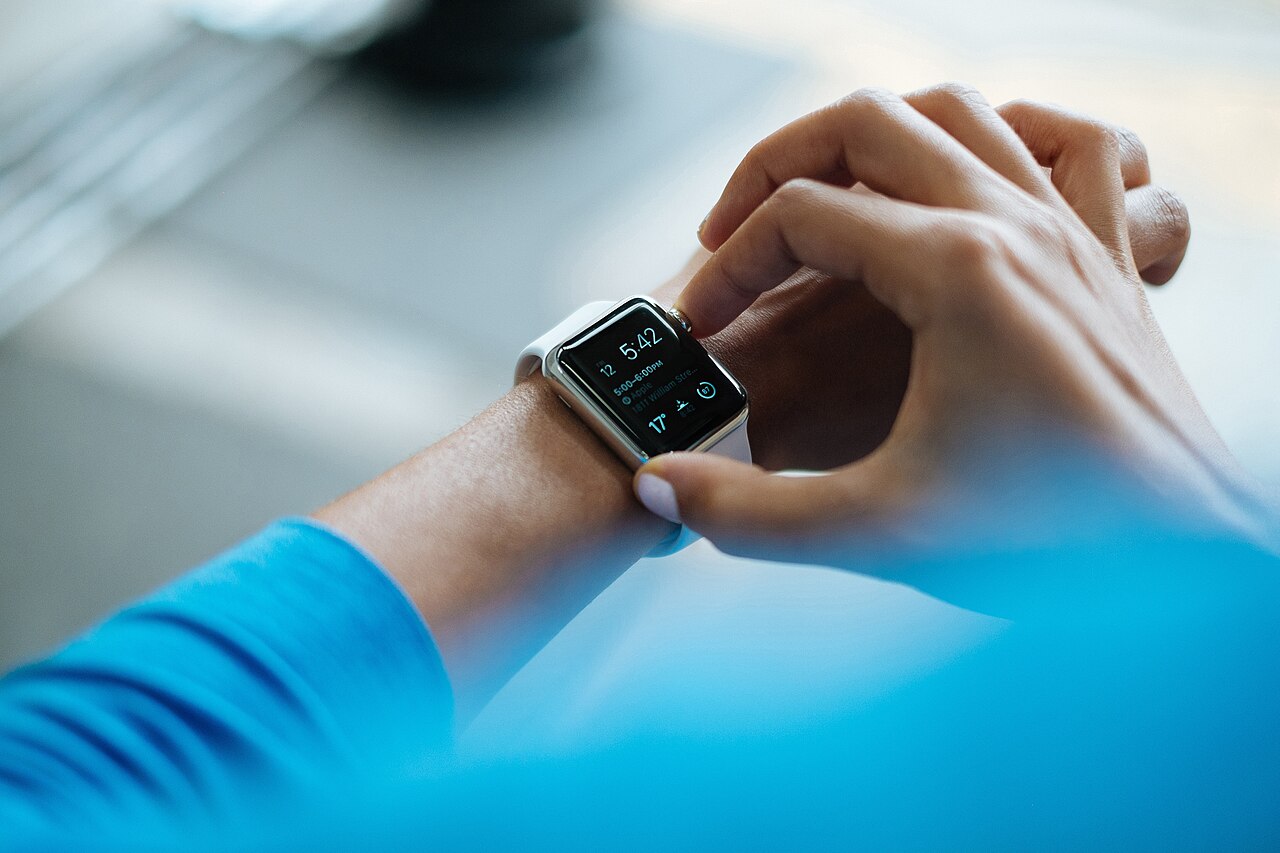
Disrupted body clocks are linked to diabetes risk, but measuring a person's rhythm normally means lab tests such as dim-light melatonin onset. A team from the University of Murcia and partners asked whether a week of wearable data could do the job in daily life.
The 716 adults (71% women, average age 38, average BMI 25.75) wore sensors for 7 days that tracked wrist temperature, activity and position (together called TAP). Statistical reduction gave two factors that explained 70.7% of the variance: Factor 1, rhythm robustness (52.8%), and Factor 2, rhythm timing (17.9%). Each person also took a 2-hour oral glucose tolerance test.
Lower robustness scores were linked to higher insulin area under the curve, higher fasting insulin, higher HOMA-IR, higher triglycerides and lower insulin sensitivity (all FDR < 0.05). Links to glucose and the disposition index were less consistent across sensitivity analyses. Later timing went with higher fasting glucose and, in a subsample, a later melatonin onset (p = 0.020). An exploratory mediation analysis suggested triglycerides accounted for 13% of the robustness link to insulin sensitivity and 18% of the link to HOMA-IR.
This is a cross-sectional study, so it shows that two things go together, not which causes which. The authors see it as support for studying wearable rhythm data as a non-invasive marker of metabolic health, not as a diagnostic test.
TAP rhythms and glucose regulation, ONTIME-MT study
716
adults, 7 days of wearable monitoring
70.7%
of rhythm variance explained by two factors
13%
of the robustness-insulin sensitivity link accounted for by triglycerides
18%
of the robustness-HOMA-IR link accounted for by triglycerides
Cross-sectional analysis in Frontiers in Nutrition (Nutrition and Metabolism), published 18 November 2026. Trial registration NCT03036592.
- The oral glucose tolerance test in this study ran for 2 hours, with insulin measured as well as glucose.
- Dim-light melatonin onset is the standard marker of the body clock but needs controlled lab conditions, which is why a wearable alternative is attractive.
- HOMA-IR is a simple estimate of insulin resistance built from fasting glucose and fasting insulin.
- Circadian-related rhythm robustness is associated with insulin sensitivity, insulin resistance, and triglycerides in healthy adultsFrontiers in Nutrition · Open-access cross-sectional study. Published 18 November 2026.
- File:Smartwatch-828786.jpgWikimedia Commons · Photo by Crew, CC0 public-domain dedication.
Educational summary of nutrition research, not personal medical advice. Speak to your doctor or dietitian before changing your diet or supplements, especially if you are pregnant, take medicines or have a medical condition.
Analysis by NutroPractic from the sources listed. Written for general readers; it does not replace advice from your own doctor.
From our articles
Our guides on this subject
Plain-language guides on nutrition and wellness, backed by research.

Cardiovascular wellness
Psyllium husk: how much soluble fibre lowers LDL cholesterol and stabilizes post-meal glucose in clinical trials
Viscous soluble fibre forms a thick gel matrix in the small intestine that binds bile acids and blunts post-meal glucose spikes. Across dozens of randomized controlled trials, 7 to 10.2 grams of psyllium daily lowers LDL cholesterol by 6% to 12% without stripping HDL, while reducing postprandial glucose surges by 15% to 25% in metabolic syndrome and type 2 diabetes. Discover the bile acid sequestration mechanism, trial meta-analyses, exact timing before meals, water ratios, and titration protocols to avoid gas and cramping.
13 Nov 2026
Heart health
Oats and beta-glucan: how many grams lower LDL, and how much steel-cut, rolled and instant oats it takes
The 3 g a day of beta-glucan behind the FDA and EFSA claims lowers LDL by about 0.25 mmol/L (10 mg/dL). That is roughly 60 to 68 g of dry oats or 50 g of oat bran a day. Grams per portion, glycaemic index by oat type and the gluten caveat.
17 Nov 2026

Heart health
Eggs and cholesterol: what changed in the guidelines, and who should still count them
The US dropped its 300 mg cholesterol limit in 2015, then a 2019 study linked every extra half egg a day with more heart disease. Here is how much an egg really moves LDL, what the large studies found, why people with type 2 diabetes or high LDL may want a ceiling, and why what you eat with the egg matters more than the egg.
18 Oct 2026
Newsfeed for your website
Want this feed on your website?
Add it to any site with one copy-and-paste snippet. No sign-up, and it updates itself every hour.
Start with a virtual consultation
Tell Dr. Triveni what you want to change. You will leave with a clear next step, whether you are in Toronto, London, New York or Chennai.