Dietary patterns & body composition · November 23, 2026
Two years of daily walnuts did not increase body weight or adiposity in 708 older adults: WAHA trial
In the 2-year Walnuts and Healthy Aging trial, incorporating daily walnuts as 15% of daily calories caused no adverse changes in body weight, BMI, or DEXA-measured body fat, demonstrating that calorie-dense tree nuts fit safely into aging diets.
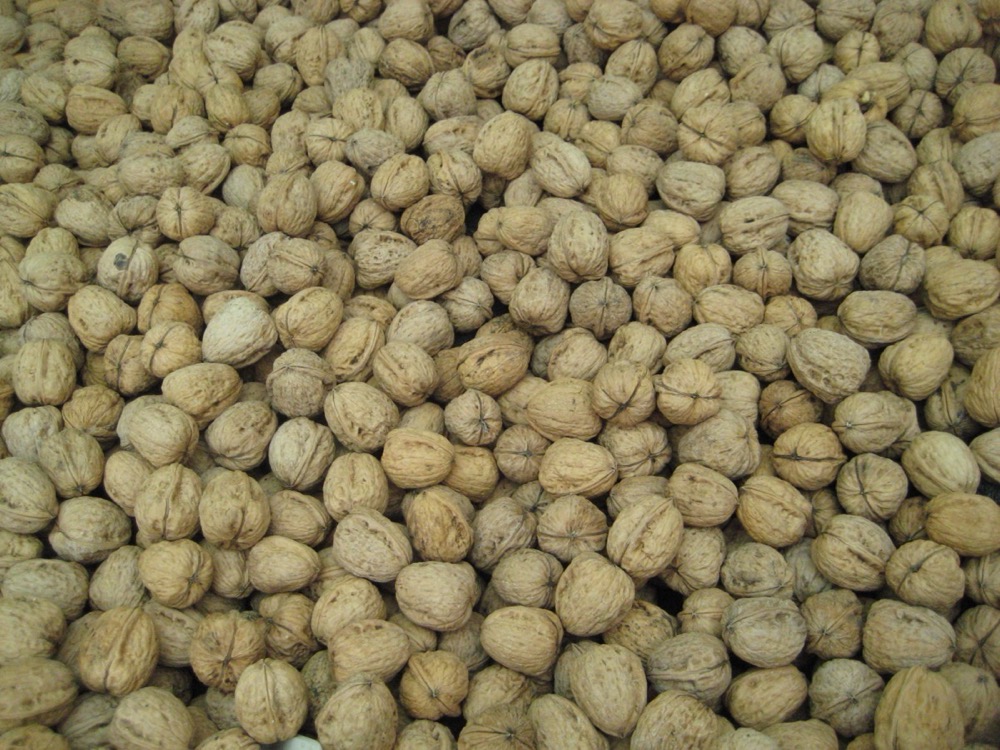
Tree nuts, particularly walnuts (Juglans regia), are exceptionally rich in alpha-linolenic acid (ALA), phytosterols, polyphenols, and dietary fiber, conferring well-established cardioprotective benefits. However, because nuts are energy-dense foods composed of 60% to 70% lipid by weight, health professionals and older adults frequently voice concerns that regular consumption may promote insidious weight gain, central adiposity, or unfavorable body composition shifts during aging.
To rigorously evaluate this concern, the Walnuts and Healthy Aging (WAHA) study—a dual-center randomized controlled trial conducted across Barcelona (Spain) and Loma Linda (California)—enrolled 708 free-living, cognitively intact older adults (mean age 69 years; 68% women). Participants were randomized 1:1 to either incorporate raw, unseasoned walnuts into their typical diet daily (delivering approximately 15% of total daily energy intake; 30 to 60 grams per day) or follow their usual diet while completely abstaining from walnuts for 24 months.
Comprehensive body composition was tracked over the two-year intervention using dual-energy X-ray absorptiometry (DEXA) scans, standardized anthropometric measurements, and validated dietary records. Over the 24 months, both groups demonstrated normal, expected age-related changes in body composition—including slight increases in android fat and minor declines in lean fat-free mass—with no statistically significant between-group differences in body weight, body mass index (BMI), total body fat percentage, or visceral adiposity.
In exploratory genetic sub-analyses, variants within metabolic loci such as the FTO gene showed modest modulation of individual lipid handling, but without inducing weight gain. The researchers concluded that adding a daily handful of walnuts safely provides omega-3 and polyphenol nourishment without increasing adiposity, emphasizing that nutrient-dense whole foods easily displace less wholesome snack calories in free-living older individuals.
2-year WAHA randomized clinical trial of daily walnut consumption
708
cognitively healthy older adults randomized in Barcelona and Loma Linda
15%
of total daily energy intake supplied by walnuts (30-60 g/day)
0 kg
significant difference in body weight change vs walnut-free control at 2 years
24 mo
duration of continuous intervention monitored by serial DEXA body scans
Pre-specified secondary analysis of the WAHA trial published in Nutrients (Vol. 18, Issue 22, November 2026).
- Walnuts are unique among common tree nuts because their dominant polyunsaturated fatty acid is alpha-linolenic acid (ALA), an essential plant-derived omega-3 fat.
- Dual-energy X-ray absorptiometry (DEXA) accurately distinguishes lean soft tissue, bone mineral density, and regional adipose depots such as android (abdominal) and gynoid (hip) fat.
- Controlled feeding studies consistently find that roughly 10% to 15% of the total energy contained in whole nuts passes unabsorbed through the digestive tract due to intact plant cell walls.
- Effects of Long-Term Walnut Consumption on Body Composition in the Walnuts and Healthy Aging (WAHA) Randomized Clinical TrialNutrients · Open-access randomized controlled clinical trial published November 2026.
- File:Walnuts.JPGWikimedia Commons · Photo by Horst Frank, CC BY-SA 3.0.
Educational summary of nutrition research, not personal medical advice. Speak to your doctor or dietitian before changing your diet or supplements, especially if you are pregnant, take medicines or have a medical condition.
Analysis by NutroPractic from the sources listed. Written for general readers; it does not replace advice from your own doctor.
From our articles
Our guides on this subject
Plain-language guides on nutrition and wellness, backed by research.
Medicines and nutrition
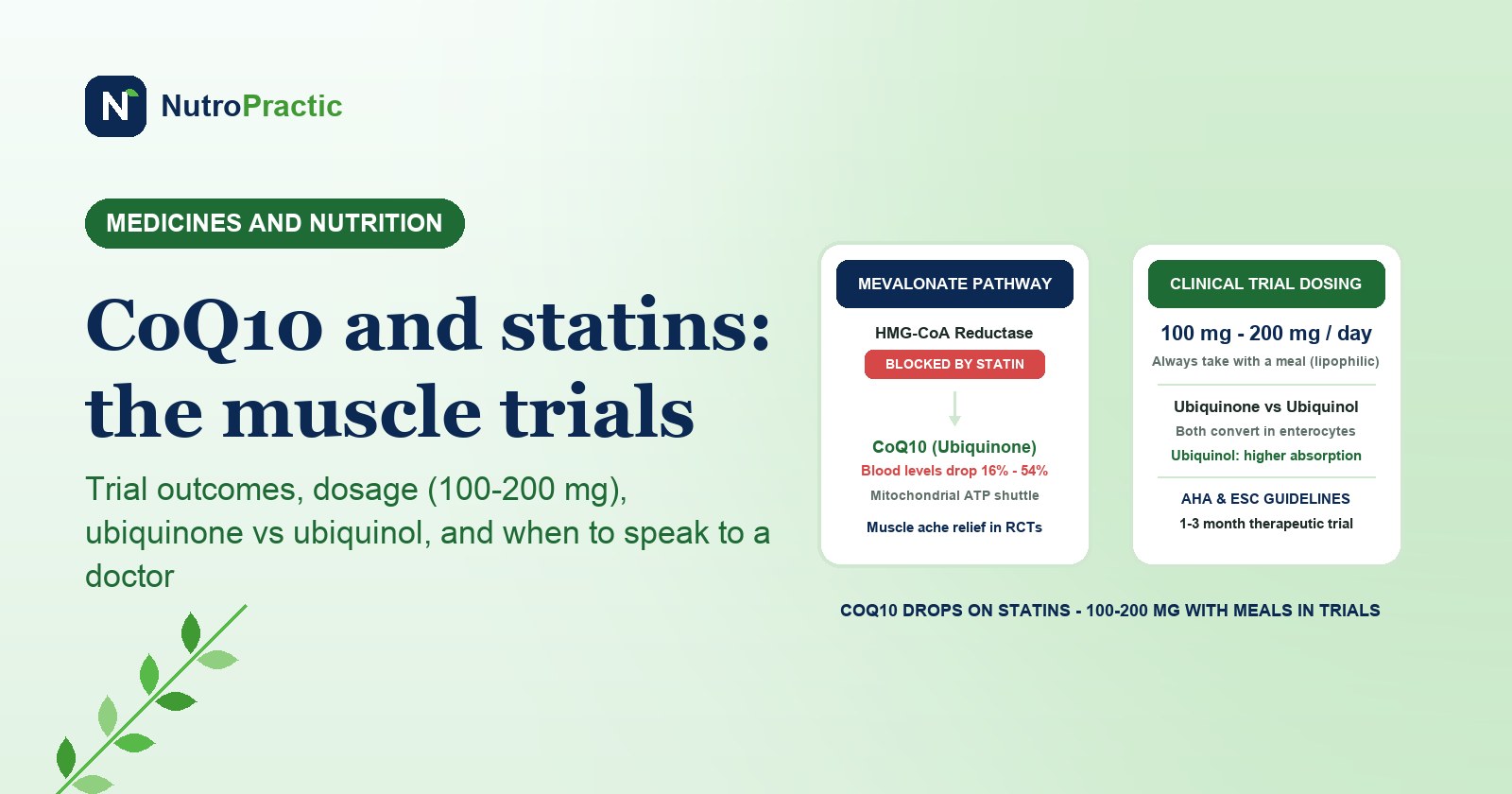
CoQ10 and statins: what the muscle symptom trials found, and who might benefit
Statin-associated muscle symptoms lead up to 30% of patients to discontinue life-saving cholesterol therapy. While statins deplete circulating CoQ10 by 16% to 54%, randomized clinical trials show mixed results for myalgia relief. Explore the trials, ubiquinone vs ubiquinol bioavailability, recommended doses, and clinical guideline recommendations.
14 Nov 2026

Women's wellness and nutrition
Creatine for women: cognitive performance, menstrual cycle phases, and bone density beyond muscle building
Creatine is widely stereotyped as a bodybuilding supplement for men, but female physiology tells a very different story. Women exhibit 70% to 80% lower endogenous creatine stores, reduced dietary intake, and cyclical fluctuations in brain creatine kinase across the follicular and luteal phases. Robust clinical trials demonstrate that 3 to 5 grams of daily creatine monohydrate enhances cognitive performance during sleep deprivation, augments clinical response in unipolar depression, preserves femoral neck bone geometry in postmenopausal women, and causes cellular intracellular hydration rather than subcutaneous bloating.
13 Nov 2026
Healthy ageing
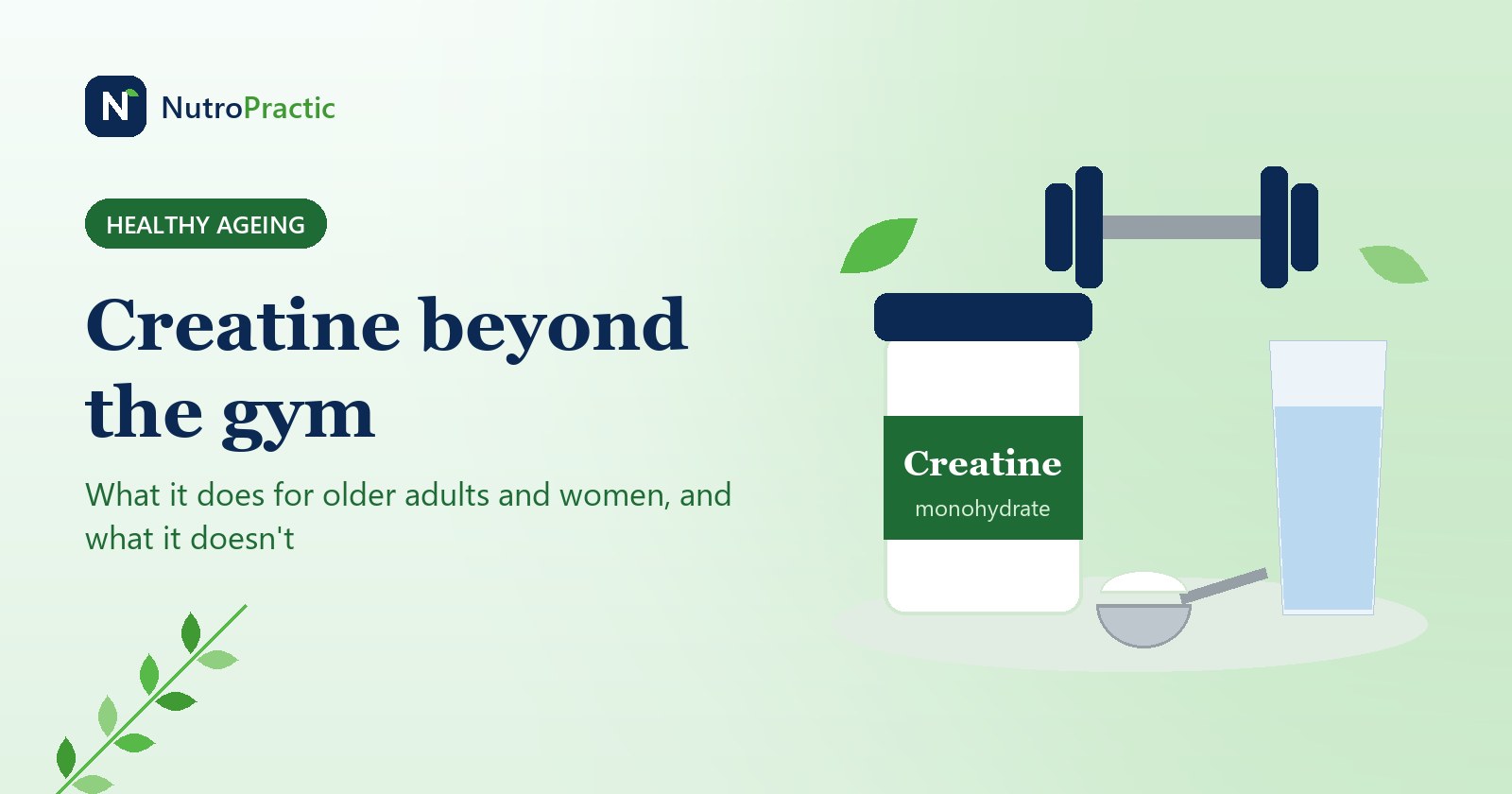
Creatine beyond the gym: what it does for older adults and women, and what it doesn't
Across 22 trials, adults in their late fifties to seventies who took creatine while doing resistance training gained about 1.4 kg more lean mass than those who trained without it. Two two-year trials found it did nothing for bone density after menopause. Where the evidence is solid, where it's early (memory, short nights), how much to take, and who should leave it alone.
10 Oct 2026
Newsfeed for your website
Want this feed on your website?
Add it to any site with one copy-and-paste snippet. No sign-up, and it updates itself every hour.
Start with a virtual consultation
Tell Dr. Triveni what you want to change. You will leave with a clear next step, whether you are in Toronto, London, New York or Chennai.