Maternal & infant nutrition · November 14, 2026
High-dose vitamin D in pregnancy corrected deficiency without adding protection against preterm birth
An updated Cochrane systematic review evaluated randomized trials comparing vitamin D doses from under 600 IU to over 4000 IU daily, finding clear biochemical gains but plateauing clinical risks.

Vitamin D deficiency during pregnancy has long been implicated in higher rates of pre-eclampsia, gestational diabetes mellitus, low infant birthweight, and preterm delivery. However, international clinical guidelines diverge sharply regarding whether pregnant women should take standard baseline doses (around 400 to 600 IU daily) or substantially higher doses reaching 2,000 to 4,000 IU or more.
An updated systematic review from the Cochrane Pregnancy and Childbirth Group analyzed clinical trials directly comparing different dosage regimens of oral vitamin D. The meta-analysis categorized regimens into standard daily doses (up to 600 IU/day), intermediate doses (601 to 3,999 IU/day), and high-dose protocols (4,000 IU/day or equivalent boluses).
The pooled evidence confirmed that regimens exceeding 600 IU daily were significantly more effective at preventing maternal vitamin D insufficiency and elevating cord blood 25-hydroxyvitamin D concentrations at delivery. Women receiving higher doses also demonstrated modest reductions in the risk of gestational diabetes compared to low-dose controls.
However, pushing daily intake to 4,000 IU/day or higher yielded no additional clinical protection against pre-eclampsia, preterm birth, or low birthweight compared to moderate daily supplementation. Furthermore, excessive dosing combined with high calcium intake showed isolated risks of hypercalciuria. The authors concluded that preventing maternal deficiency is vital, but megadose regimens offer diminishing clinical returns.
Cochrane systematic review of vitamin D dosing regimens in pregnancy (November 2026)
≤600 IU/d
Standard baseline prenatal vitamin D recommendation
4,000 IU/d
Common high-dose experimental threshold evaluated
Superior
Efficacy of >600 IU/d in preventing biochemical maternal deficiency
No extra gain
Clinical risk reduction for pre-eclampsia or preterm delivery at ≥4000 IU/d
CD013446
Cochrane Review identification number
Systematic review and meta-analysis of randomized controlled trials evaluating comparative safety and effectiveness of distinct prenatal vitamin D regimens.
- Maternal 25-hydroxyvitamin D freely crosses the placenta, supplying the developing fetus with essential stores for skeletal ossification.
- Sunlight synthesis of vitamin D depends on skin pigmentation, latitude, season, and sun-safety practices like sunscreen use.
- Pre-eclampsia is characterized by new-onset hypertension and proteinuria or organ dysfunction occurring after 20 weeks of gestation.
- Vitamin D receptors are widely expressed in human placental trophoblasts and decidual tissue, regulating local immune tolerance.
- Regimens of vitamin D supplementation for women during pregnancyCochrane Database of Systematic Reviews / PubMed · Updated Cochrane systematic review and meta-analysis examining comparative vitamin D dosing regimens. Published 11 November 2026. DOI: 10.1002/14651858.CD013446.pub2.
- Waiting for an angelWikimedia Commons · Photo: Bich Ngoc Le, CC0. General maternal health illustration.
General information, not medical advice. Prenatal supplementation protocols should be tailored through serum 25(OH)D testing and managed directly with an obstetrician or midwife.
Analysis by NutroPractic from the sources listed. Written for general readers; it does not replace advice from your own doctor.
From our articles
Our guides on this subject
Plain-language guides on nutrition and wellness, backed by research.
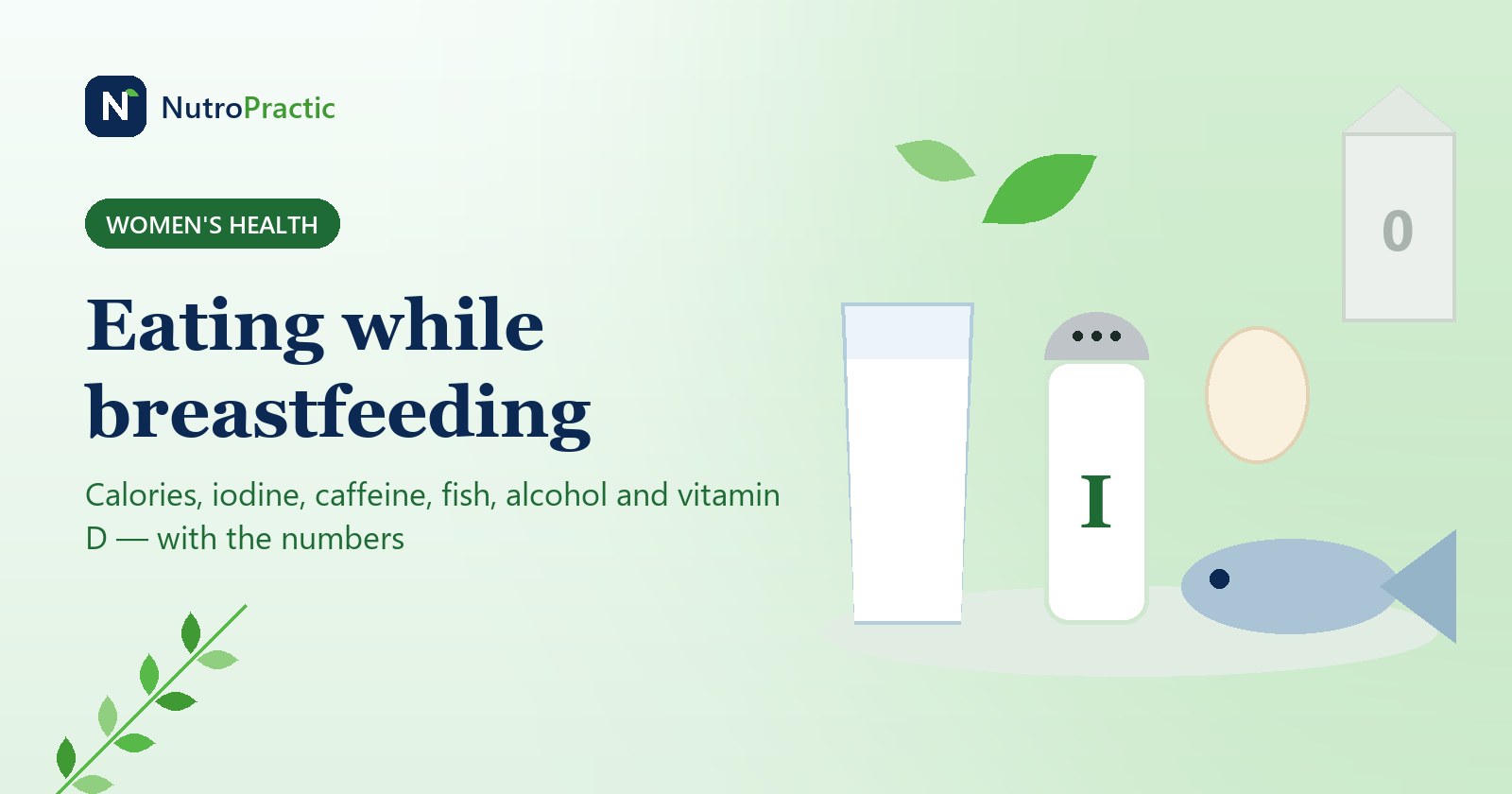
Women's health
Eating while breastfeeding: extra calories, iodine, caffeine, fish and alcohol, with the actual numbers
Breastfeeding usually adds about 330–400 kcal a day, but the smaller numbers can matter more: 290 mcg iodine, 400 IU vitamin D for baby, 8–12 oz fish a week, and a caffeine total you can actually add up.
6 Nov 2026
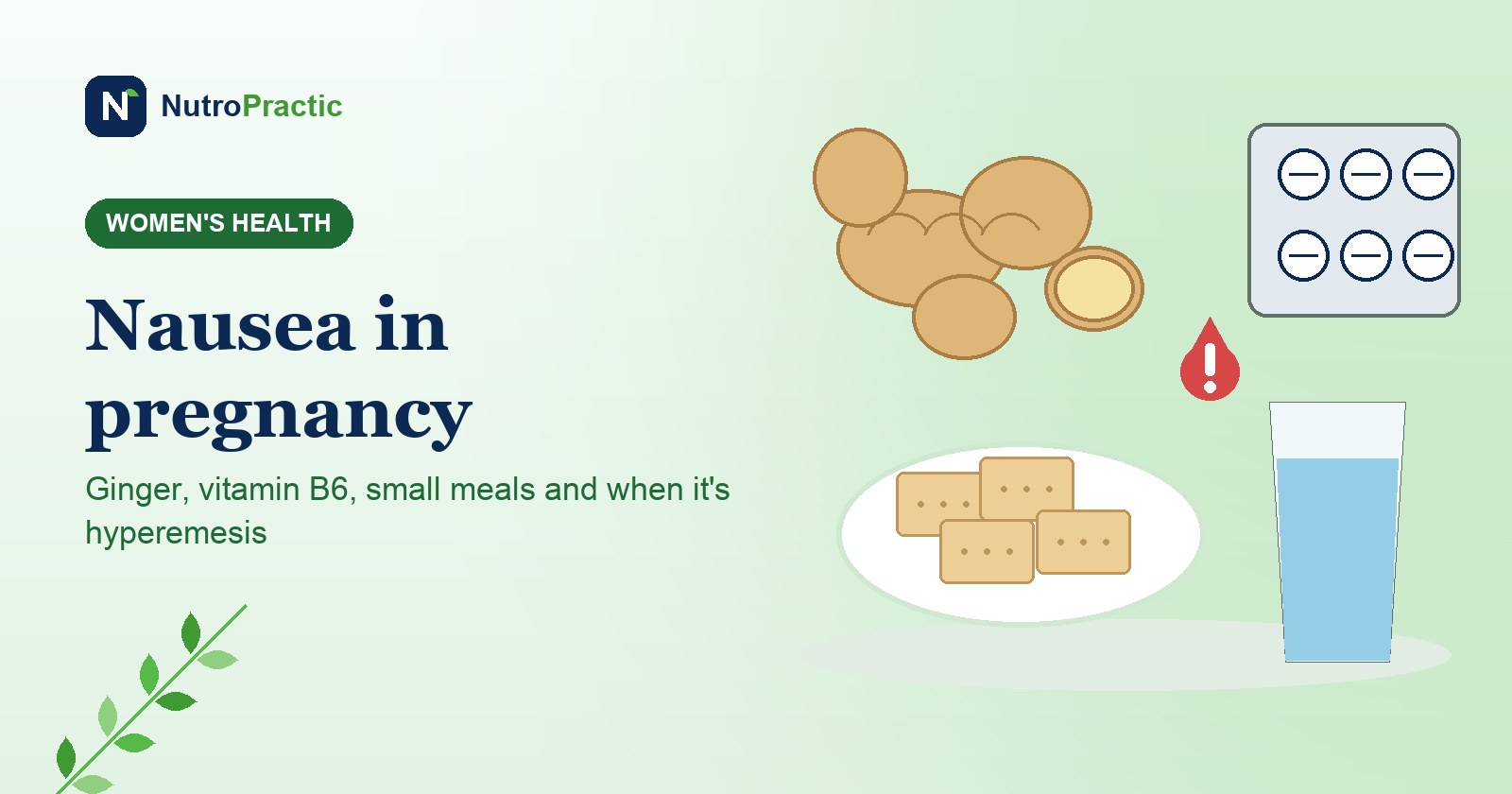
Women's health
Nausea in pregnancy: ginger, vitamin B6, small meals and when it's hyperemesis, from the trials
Only 1.8% of women in one diary study had nausea just in the morning. Ginger at 1 g a day, B6 at 30 to 75 mg and doxylamine with B6 each have trial data, while diet advice has none. The score to track it, the doses, and the signs that mean a phone call.
5 Nov 2026
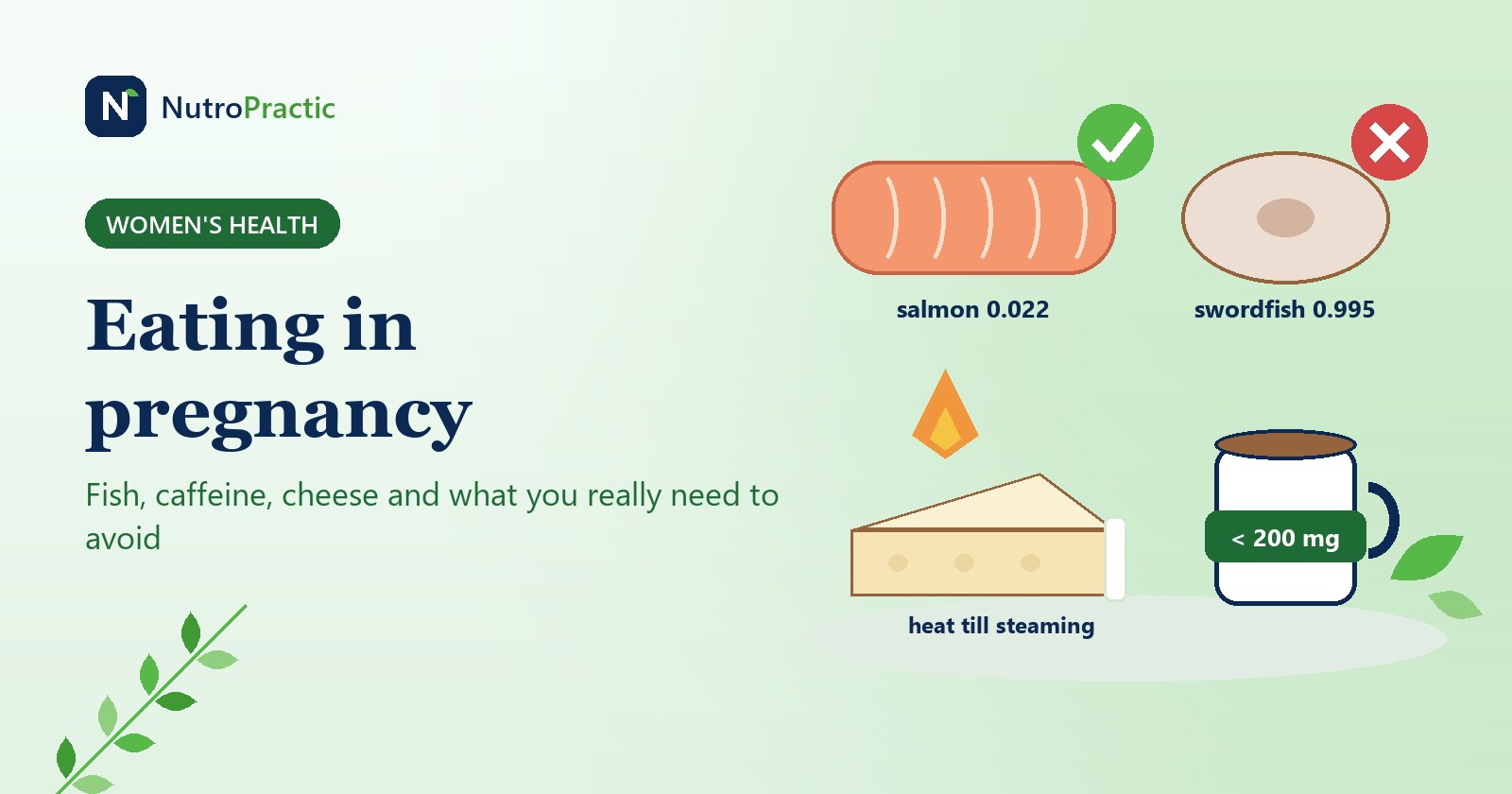
Women's health
Eating in pregnancy: fish, caffeine, cheese and what you really need to avoid
Most fish is encouraged in pregnancy, not banned: 8-12 oz a week from the low-mercury list. The mercury numbers per fish, what 200 mg of caffeine looks like in real cups, which cheeses carry the listeria risk and how many cases there actually are, why liver is on the list, and how much weight to gain for your BMI.
29 Oct 2026
Newsfeed for your website
Want this feed on your website?
Add it to any site with one copy-and-paste snippet. No sign-up, and it updates itself every hour.
Start with a virtual consultation
Tell Dr. Triveni what you want to change. You will leave with a clear next step, whether you are in Toronto, London, New York or Chennai.