Endocrine Nutrition & Micronutrient Epidemiology · November 23, 2026
Sun Exposure Fails to Predict Vitamin D Levels in Young Adults While Insulin Resistance Drives Deficiency
In a sun-drenched Gulf region, 85.9% of young adults tested had insufficient or deficient vitamin D. Surprisingly, lifestyle sun exposure scores showed zero correlation with blood levels, whereas insulin resistance was strongly linked to reduced vitamin D status.

The Arabian Gulf region enjoys abundant year-round solar ultraviolet-B radiation, yet it paradoxically reports some of the highest prevalence rates of hypovitaminosis D globally. To disentangle whether this deficit is primarily driven by behavioral avoidance of sunlight, cultural clothing practices, body adiposity, or underlying cardiometabolic derangements, researchers in Bahrain conducted an in-depth cross-sectional investigation of 262 healthy adult volunteers aged 18 to 49.
Circulating serum 25-hydroxyvitamin D [25(OH)D] was quantified alongside comprehensive lipid panels, fasting plasma glucose, insulin, anthropometric measurements, and a validated multi-domain sun-exposure scoring tool that quantified weekly outdoor duration, exposed body surface area, and sunscreen use. The findings revealed an astonishing deficit: average 25(OH)D was only 13.9 ± 5.5 ng/mL, with 42.4% classified as overtly deficient (<12 ng/mL), 43.5% insufficient (12–20 ng/mL), and merely 14.1% reaching physiological sufficiency (≥20 ng/mL).
Most remarkably, detailed self-reported sun-exposure scores showed no statistically significant correlation with circulating 25(OH)D levels. Instead, biological and metabolic factors dominated the associations. Circulating 25(OH)D was 14.7% lower in female participants and increased by 12.8% per decade of adult age. Crucially, while higher body mass index initially showed an inverse link with vitamin D, statistical adjustment for insulin resistance (HOMA-IR) substantially attenuated the BMI association: each unit increase in log-transformed HOMA-IR was independently associated with a 9.3% reduction in serum 25(OH)D.
These observations fundamentally shift the paradigm surrounding hypovitaminosis D in high-irradiance regions. Because high ambient temperatures and cultural norms encourage indoor living and sun-protective clothing, incidental cutaneous synthesis is minimal. More critically, adipose tissue sequestering of lipophilic vitamin D combined with hepatic 25-hydroxylase down-regulation induced by systemic insulin resistance and low-grade inflammation appears to suppress circulating levels. The authors conclude that relying solely on lifestyle advice to 'get more sun' is ineffective, necessitating targeted food fortification and individualized oral cholecalciferol supplementation.
Vitamin D Deficiency and Metabolic Parameters in 262 Young Bahraini Adults
13.9 ng/mL
mean serum 25(OH)D concentration across 262 healthy adult volunteers aged 18–49
85.9%
prevalence of hypovitaminosis D (42.4% deficient <12 ng/mL, 43.5% insufficient 12–20 ng/mL)
p > 0.05
lack of statistically significant correlation between sun-exposure scores and serum 25(OH)D
-9.3%
reduction in circulating 25(OH)D per unit increase in log-transformed insulin resistance (HOMA-IR)
Multivariable regression models adjusted for age, sex, season of sampling, BMI, lipid fractions, and multidimensional sun-exposure scores.
- Intense desert heat (>40°C) prompts behavioral indoor confinement during peak solar UV hours (10:00 to 15:00), effectively preventing cutaneous cholecalciferol synthesis.
- Adipose tissue acts as a non-metabolized storage sink for fat-soluble vitamin D3, significantly lowering the circulating volume of distribution in individuals with higher visceral fat.
- Hepatic cytochrome P450 enzymes (such as CYP2R1) responsible for 25-hydroxylation of vitamin D are downregulated in metabolic syndrome and non-alcoholic fatty liver disease.
- Demographic, Lifestyle, and Metabolic Correlates of Vitamin D Status in Young Bahraini Adults: A Cross-Sectional StudyNutrients · Cross-sectional clinical investigation published November 2026.
- File:The desert sunrise.jpgWikimedia Commons · Photo of Al Khatm Desert, CC0 public domain.
Educational summary of nutrition research, not personal medical advice. Speak to your doctor or dietitian before changing your diet or supplements, especially if you are pregnant, take medicines or have a medical condition.
Analysis by NutroPractic from the sources listed. Written for general readers; it does not replace advice from your own doctor.
From our articles
Our guides on this subject
Plain-language guides on nutrition and wellness, backed by research.

Cardiovascular wellness
Psyllium husk: how much soluble fibre lowers LDL cholesterol and stabilizes post-meal glucose in clinical trials
Viscous soluble fibre forms a thick gel matrix in the small intestine that binds bile acids and blunts post-meal glucose spikes. Across dozens of randomized controlled trials, 7 to 10.2 grams of psyllium daily lowers LDL cholesterol by 6% to 12% without stripping HDL, while reducing postprandial glucose surges by 15% to 25% in metabolic syndrome and type 2 diabetes. Discover the bile acid sequestration mechanism, trial meta-analyses, exact timing before meals, water ratios, and titration protocols to avoid gas and cramping.
13 Nov 2026
Diabetes
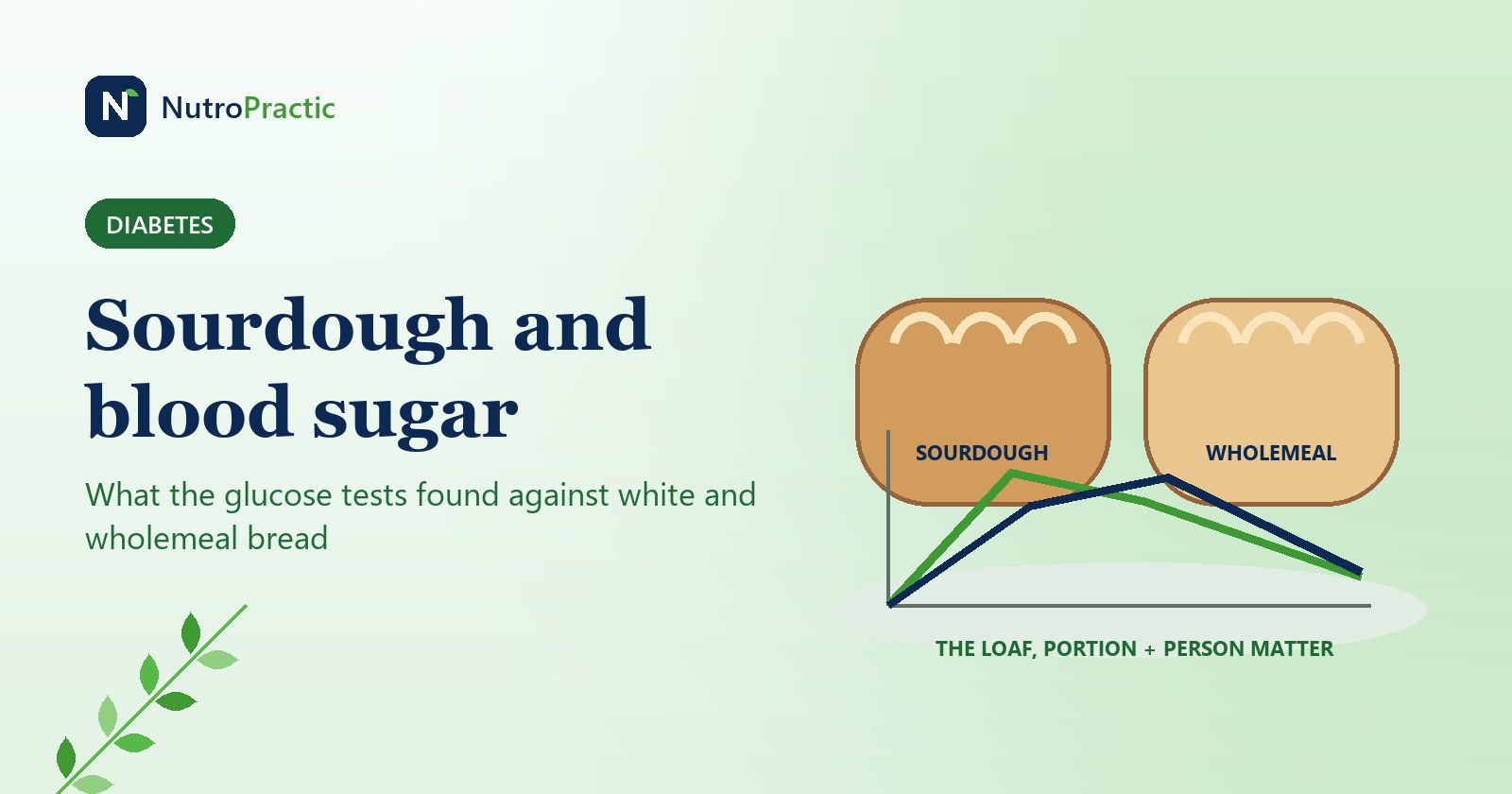
Sourdough and blood sugar: what the glucose tests found against white and wholemeal bread
Sourdough did not beat white bread on average in a 20-person crossover trial, and half responded better to white. A trial-by-trial look at fermentation, flour, portions, GI and how to test your own loaf fairly.
6 Nov 2026
Diabetes
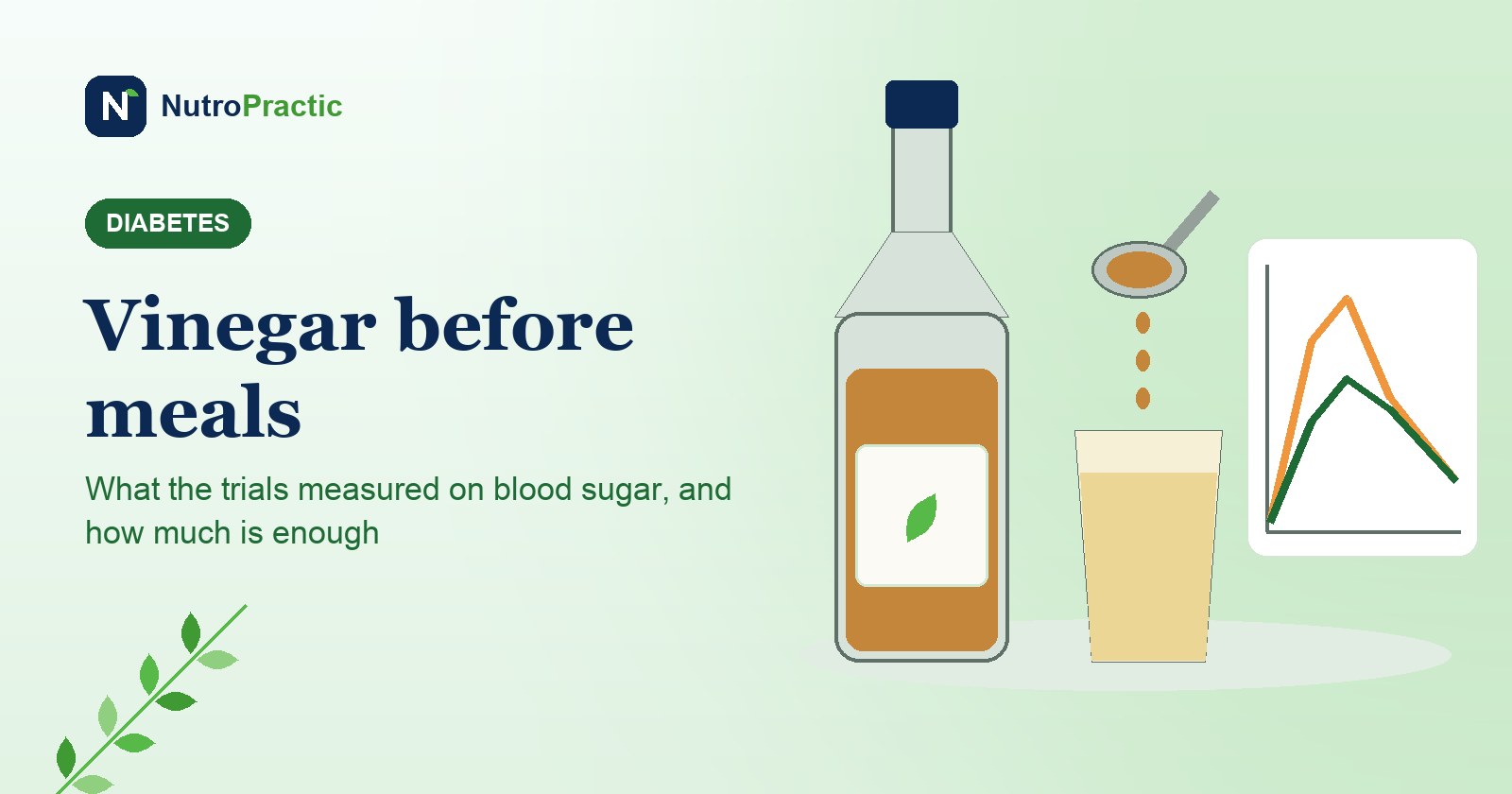
Vinegar before meals: what the trials measured on blood sugar, and how much is enough
Two teaspoons to a tablespoon with a starchy meal trims the glucose peak at 30 minutes, and the gap fades by two hours. HbA1c reviews range from -0.39 to -1.53, and we explain which to trust. Two gummies hold about 50 mg of acetic acid against 750 mg in a tablespoon.
5 Nov 2026
Newsfeed for your website
Want this feed on your website?
Add it to any site with one copy-and-paste snippet. No sign-up, and it updates itself every hour.
Start with a virtual consultation
Tell Dr. Triveni what you want to change. You will leave with a clear next step, whether you are in Toronto, London, New York or Chennai.