Whole grains & functional foods · November 27, 2026
Underutilized grains and health: review highlights acute glycemic effects but limited trial evidence for long-term benefits
A critical narrative review of millets, sorghum, quinoa, and buckwheat evaluates how culinary processing alters food matrices. While oat and barley beta-glucan show robust randomized evidence for lowering LDL cholesterol, clinical trials for underutilized grains remain small, showing acute glycemic blunting without proven sustained clinical benefits.
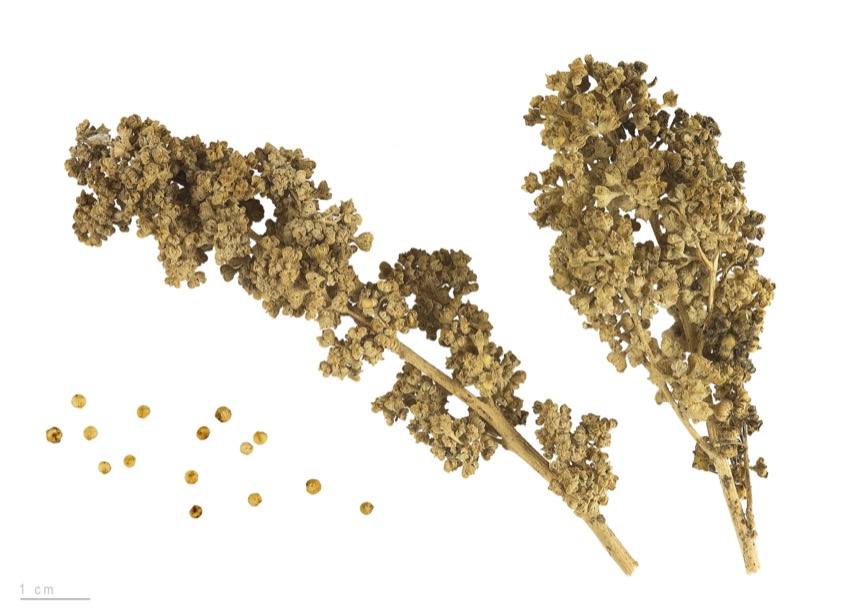
Underutilized cereal grains such as millets and sorghum, alongside pseudocereals including quinoa, amaranth, and buckwheat, are widely promoted for dietary diversity and agro-ecological resilience. While these ancient crops offer rich micronutrient and polyphenol profiles, whether laboratory-measured nutritional values translate into reproducible long-term health advantages in humans remains an open question.
In a critical narrative review published in Frontiers in Nutrition, researchers Tiantian Jing, Zhong Tang, and colleagues evaluated the biological mechanisms and human evidence for ancient grains, contrasting them against established whole-grain comparators like oats and barley. The authors examined how food processing techniques alter cell-wall integrity, starch gelatinization, and bioactive compound release.
The review highlighted that common processing methods—including dehulling, thermal steaming, milling, and fermentation—modify grain physical structure and in vitro nutrient release, but these structural changes alone do not demonstrate enhanced bioavailability or clinical efficacy in humans. While proposed mechanisms involve digesta viscosity and gut microbial signaling, many remain supported primarily by preclinical animal models.
Synthesizing human trials, the authors observed that randomized clinical trial evidence is most consistent and robust for oat and barley beta-glucans in lowering LDL cholesterol. For the underutilized grains, millet interventions suggest glycemic benefits, but differences in study design and food form limit conclusions about cause. Acute glycemic effects do not demonstrate sustained improvement. Sorghum and quinoa trials remain small, and a systematic review of buckwheat studies does not show consistent cardiometabolic benefits. The authors conclude that adequately powered human trials comparing defined grain forms are needed before definitive clinical claims can be made.
Evidence synthesis of grain processing, matrix alterations, and human outcomes
5 grains
millets, sorghum, buckwheat, quinoa and amaranth reviewed, with oats and barley as comparators
Most consistent
randomised evidence for LDL-cholesterol lowering, from oat and barley beta-glucan
Acute only
glycemic blunting observed in small trials does not demonstrate sustained glycemic improvement
Small trials
sorghum and quinoa studies remain small with heterogeneous food forms and designs
Critical narrative review published in Frontiers in Nutrition, November 2026 (doi: 10.3389/fnut.2026.1963229).
- Hydrothermal parboiling and retrogradation cause starch molecules to re-associate into resistant starch type 3, which escapes small intestinal digestion to nourish colonic butyrate producers.
- The review says effects depend on cultivar, processing, food matrix, dose and the person eating the grain.
- Underutilized grains and pseudocereals in human nutrition and health: grain-specific evaluation of processing, food matrix, biological mechanisms, and human evidenceFrontiers in Nutrition · Narrative critical review by Tiantian Jing et al. Published 24 November 2026.
- File:Chenopodium quinoa -red faro- MHNT.BOT.2007.43.66.jpgWikimedia Commons · Photo by Didier Descouens, Muséum de Toulouse, CC BY-SA 3.0.
Educational summary of nutrition research, not personal medical advice. Speak to your doctor or dietitian before changing your diet or supplements, especially if you are pregnant, take medicines or have a medical condition.
Analysis by NutroPractic from the sources listed. Written for general readers; it does not replace advice from your own doctor.
From our articles
Our guides on this subject
Plain-language guides on nutrition and wellness, backed by research.

Cardiovascular wellness
Psyllium husk: how much soluble fibre lowers LDL cholesterol and stabilizes post-meal glucose in clinical trials
Viscous soluble fibre forms a thick gel matrix in the small intestine that binds bile acids and blunts post-meal glucose spikes. Across dozens of randomized controlled trials, 7 to 10.2 grams of psyllium daily lowers LDL cholesterol by 6% to 12% without stripping HDL, while reducing postprandial glucose surges by 15% to 25% in metabolic syndrome and type 2 diabetes. Discover the bile acid sequestration mechanism, trial meta-analyses, exact timing before meals, water ratios, and titration protocols to avoid gas and cramping.
13 Nov 2026
Everyday eating
The fibre gap: why most adults fall short, and an easy 30-gram day
Most adults in the US, Canada and Europe eat far less fibre than recommended, even though higher intakes are linked to lower rates of heart disease, type 2 diabetes and bowel cancer. How much you need, where it hides, and a sample day that gets you to 30 grams.
3 Oct 2026
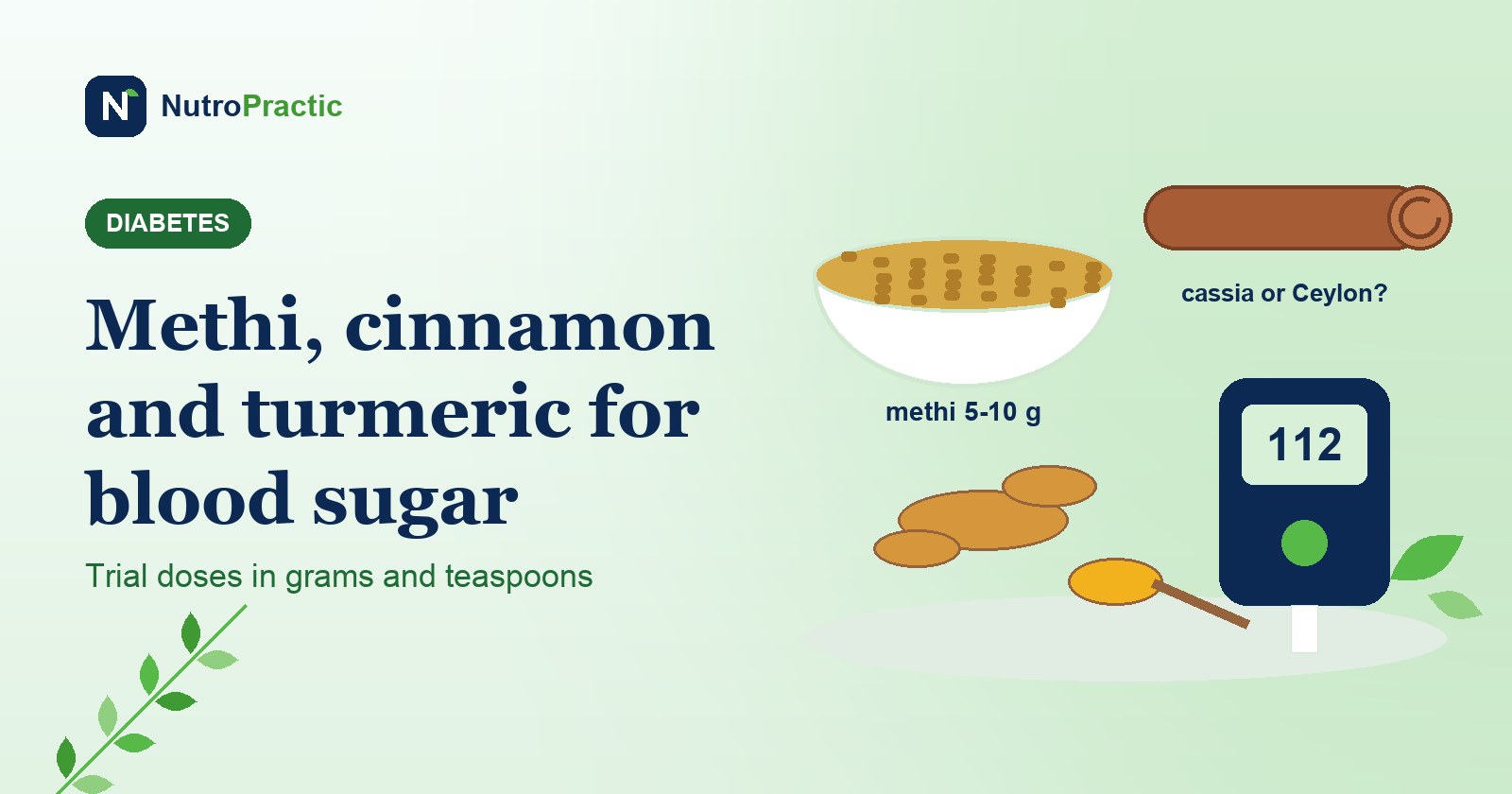
Diabetes
Fenugreek, cinnamon and turmeric for blood sugar: what the trials in an Indian kitchen measured
Fenugreek seed at 5-10 g a day lowered HbA1c by about 0.85 points in pooled trials, and in a 3-year Hyderabad study 23% went on to diabetes against 55%. Cinnamon trims fasting glucose by 15-25 mg/dL, but a teaspoon of cassia tops the coumarin limit. Curcumin: about 0.3-0.4 points, and rare liver injury from capsules. Doses in teaspoons, and a fair way to test it at home.
1 Nov 2026
Newsfeed for your website
Want this feed on your website?
Add it to any site with one copy-and-paste snippet. No sign-up, and it updates itself every hour.
Start with a virtual consultation
Tell Dr. Triveni what you want to change. You will leave with a clear next step, whether you are in Toronto, London, New York or Chennai.