Maternal nutrition & hydration · November 27, 2026
Daily fluid intake rises primarily between first and second trimesters of pregnancy: longitudinal cohort tracks food and beverage sources
Tracking 208 pregnant women across all three trimesters in southern China, researchers measured changes in total water intake from foods and beverages. Median water intake increased by over 600 mL daily after the first trimester, with food moisture providing more than half of daily fluids, while plain beverage water drove increases after controlling for caloric intake.

Adequate hydration during pregnancy is essential to support expanding plasma volume, amniotic fluid production, and placental blood circulation. However, total water intake comprises both fluid from beverages and moisture naturally present in foods, and few longitudinal studies have tracked within-person changes in both components across the entire gestation period.
In a prospective study published in Nutrients, Zhencheng Xie, Hui Li, Jingting Zhang, and Ye Ding examined 208 pregnant women attending maternal and child health centers in Guangdong Province, southern China. Detailed dietary and beverage intakes were collected across the first, second, and third trimesters using validated semi-quantitative food frequency questionnaires.
Reported median total water intake rose substantially from 1,817.8 mL/day in the first trimester to 2,400.4 mL/day in the second and 2,455.1 mL/day in the third trimester. Water derived from foods consistently represented more than half of total water intake, although its proportional share declined slightly from 58.1% to 54.1% as beverage intake expanded.
In multivariable linear mixed-effects models adjusted for maternal age, pre-pregnancy BMI, parity, education, and season, beverage water was higher by 261.4 mL/day in trimester 2 and 309.1 mL/day in trimester 3 compared to trimester 1 (p < 0.001). After further adjusting for total energy intake, higher water from beverages—principally plain water—remained statistically significant (p < 0.001), whereas trimester differences in food moisture were no longer statistically significant (p = 0.055).
Longitudinal changes in total water intake and dietary sources across gestation
208 Women
pregnant cohort participants tracked longitudinally across all three gestational trimesters
1,817 → 2,455
mL/day increase in median total daily water intake from the first to third trimester
54% to 58%
proportion of total daily water intake provided directly by dietary food moisture
p < 0.001
significant increase in plain beverage water across trimesters after total energy adjustment
Prospective gestational cohort published in Nutrients, 25 November 2026 (doi: 10.3390/nu18233945).
- Maternal blood volume expands by approximately 40% to 50% during a healthy pregnancy, substantially elevating daily fluid turnover.
- Traditional dietary patterns in southern China emphasize broths, soups, and steamed vegetables, contributing high baseline water from solid food.
- The European Food Safety Authority (EFSA) recommends that pregnant women increase daily water intake by 300 mL above the standard 2.0 L adult female recommendation.
- Longitudinal Changes in Total Water Intake and Its Sources Across Pregnancy Among Women in Guangdong Province, ChinaNutrients · Prospective cohort study by Zhencheng Xie et al. Published 25 November 2026.
- File:Woman drinking water.jpgWikimedia Commons · Photo via Wikimedia Commons, CC BY 2.0.
Educational summary of nutrition research, not personal medical advice. Speak to your doctor or dietitian before changing your diet or supplements, especially if you are pregnant, take medicines or have a medical condition.
Analysis by NutroPractic from the sources listed. Written for general readers; it does not replace advice from your own doctor.
From our articles
Our guides on this subject
Plain-language guides on nutrition and wellness, backed by research.
Women's health
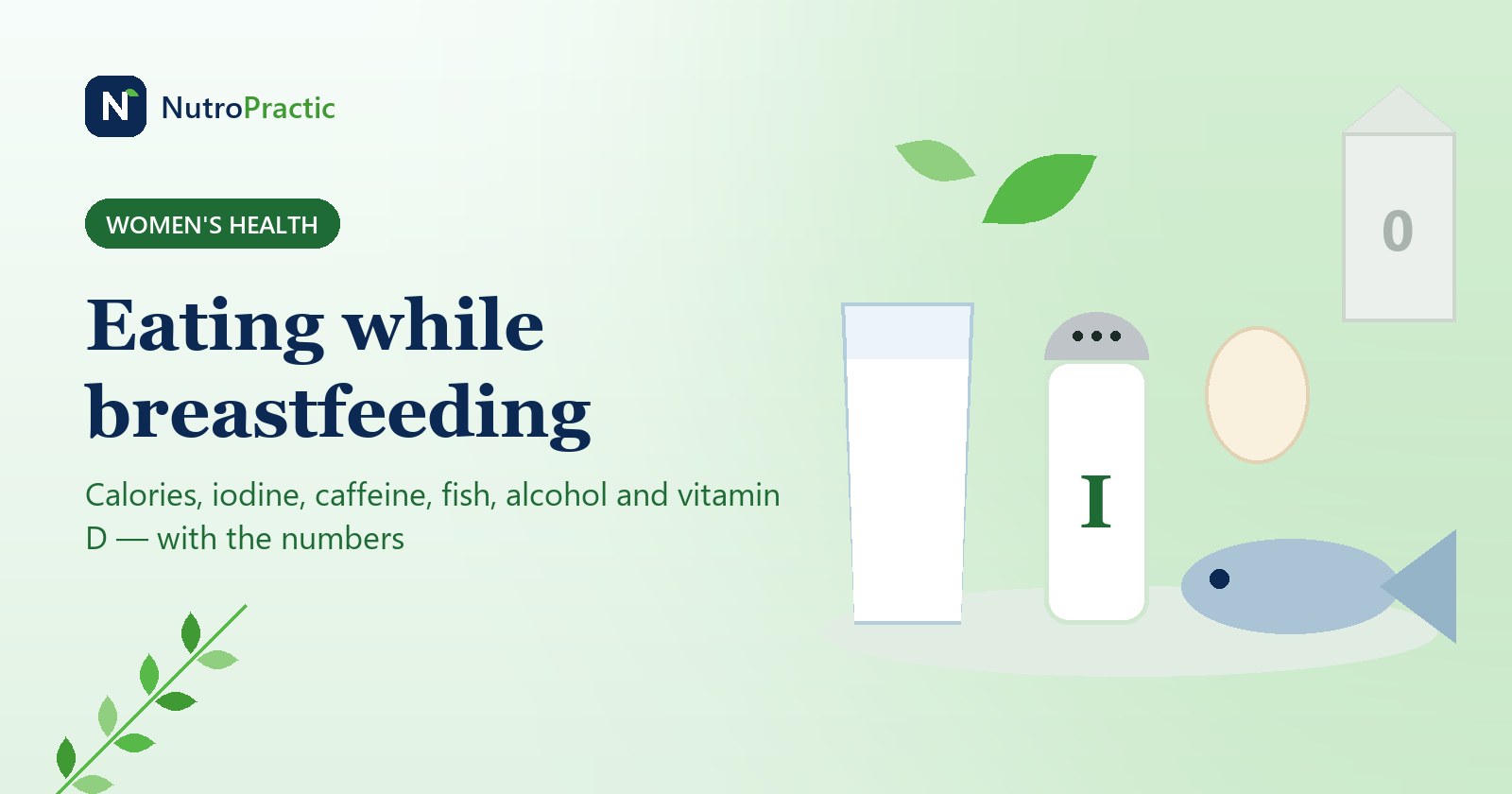
Eating while breastfeeding: extra calories, iodine, caffeine, fish and alcohol, with the actual numbers
Breastfeeding usually adds about 330–400 kcal a day, but the smaller numbers can matter more: 290 mcg iodine, 400 IU vitamin D for baby, 8–12 oz fish a week, and a caffeine total you can actually add up.
6 Nov 2026
Women's health
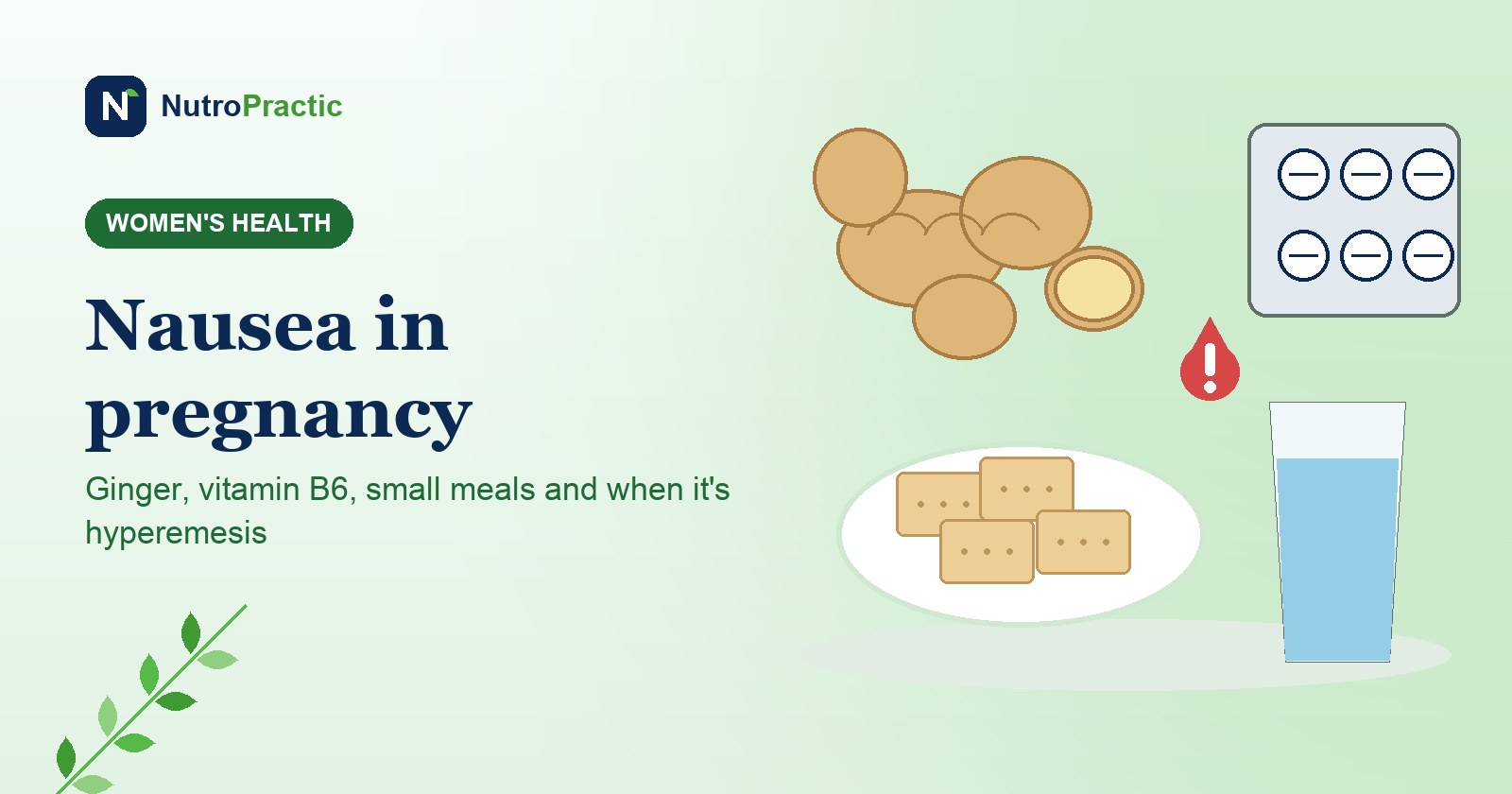
Nausea in pregnancy: ginger, vitamin B6, small meals and when it's hyperemesis, from the trials
Only 1.8% of women in one diary study had nausea just in the morning. Ginger at 1 g a day, B6 at 30 to 75 mg and doxylamine with B6 each have trial data, while diet advice has none. The score to track it, the doses, and the signs that mean a phone call.
5 Nov 2026
Women's health
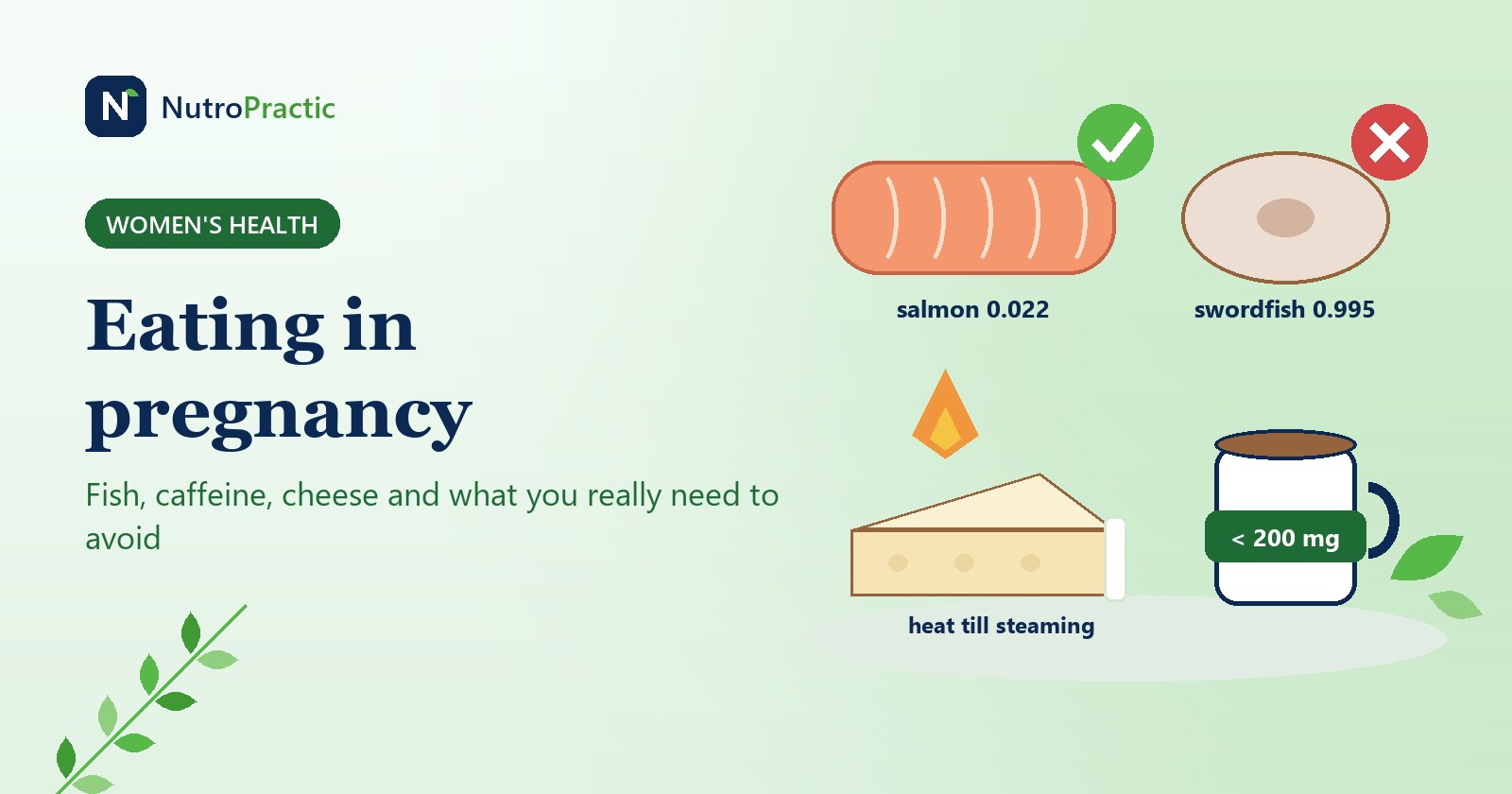
Eating in pregnancy: fish, caffeine, cheese and what you really need to avoid
Most fish is encouraged in pregnancy, not banned: 8-12 oz a week from the low-mercury list. The mercury numbers per fish, what 200 mg of caffeine looks like in real cups, which cheeses carry the listeria risk and how many cases there actually are, why liver is on the list, and how much weight to gain for your BMI.
29 Oct 2026
Newsfeed for your website
Want this feed on your website?
Add it to any site with one copy-and-paste snippet. No sign-up, and it updates itself every hour.
Start with a virtual consultation
Tell Dr. Triveni what you want to change. You will leave with a clear next step, whether you are in Toronto, London, New York or Chennai.