Healthy aging & mental wellbeing · November 29, 2026
Regular green and floral tea drinking linked to up to 21% lower depression odds in 7,400 older adults
A nationwide survey analysis of 7,421 older adults (average age 83.4 years) found that floral-tea and green-tea drinkers had 21% and 13% lower adjusted odds of depressive symptoms than non-tea drinkers, respectively.
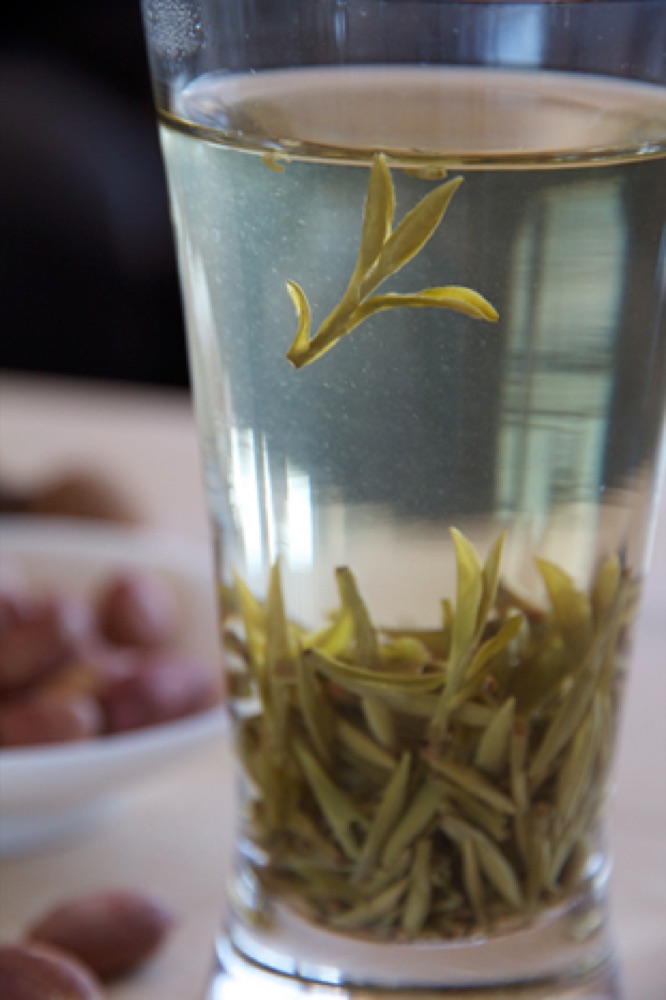
Late-life depression is a major public health concern associated with cognitive impairment, functional decline, and reduced longevity. Bioactive botanical compounds—notably polyphenols, L-theanine, and flavonoids abundant in traditional tea infusions—have been hypothesized to exert neuroprotective and mood-modulating effects.
In the journal Nutrients, investigators analyzed data from the 2018 and 2021 waves of the Chinese Longitudinal Healthy Longevity Survey (CLHLS). The 2021 sample included 7,421 participants (mean age 83.4 years, 53.6% female), with 5,973 people participating in both waves. The researchers compared tea types and drinking frequencies with 10-item CES-D depressive-symptom scores.
After adjustment for demographic, socioeconomic, psychosocial, behavioral, and clinical factors, green-tea and floral-tea drinking were inversely associated with depressive symptoms compared with no tea drinking. Adjusted odds ratios were 0.87 (95% CI: 0.79 to 0.96) for green tea drinkers and 0.79 (95% CI: 0.66 to 0.93) for floral tea drinkers.
Frequency analyses also found linear inverse associations: the reported odds ratios were 0.46 for floral tea and 0.67 for green tea (p < 0.05). Subgroup analysis found an inverse floral-tea association among women and adults aged 65–79 years, while green tea was associated with lower prevalence among men aged 65–79. These observational associations do not show that tea prevents or treats depression.
CLHLS cohort analysis of tea types and depressive symptoms (7,421 older adults)
OR 0.79
adjusted odds ratio for depressive symptoms among floral tea drinkers (95% CI 0.66-0.93)
OR 0.87
adjusted odds ratio for depressive symptoms among green tea drinkers (95% CI 0.79-0.96)
OR 0.46
odds ratio at highest consumption frequency of floral tea (p < 0.05)
83.4 years
mean age of participants in the nationwide Chinese Longitudinal Healthy Longevity Survey
Cohort study published in Nutrients, November 2026. Data from the 2018 and 2021 nationwide CLHLS survey waves.
- Floral teas often blend Camellia sinensis with aromatic blossoms such as jasmine, chrysanthemum, or osmanthus, providing rich volatile terpenes.
- Green tea is rich in epigallocatechin gallate (EGCG) and L-theanine, which cross the blood-brain barrier to modulate GABA and dopamine receptors.
- Association Between Different Types of Tea Consumption and Depressive Symptoms Among Chinese Older AdultsNutrients (MDPI), 27 Nov 2026 · Primary longitudinal survey analysis.
This article is general information about published research, not medical advice. It does not diagnose, treat or replace care from a qualified health professional. Talk to your doctor before starting a supplement or changing your diet, especially if you are pregnant, have a medical condition or take medicines.
Analysis by NutroPractic from the sources listed. Written for general readers; it does not replace advice from your own doctor.
From our articles
Our guides on this subject
Plain-language guides on nutrition and wellness, backed by research.

Women's wellness and nutrition
Creatine for women: cognitive performance, menstrual cycle phases, and bone density beyond muscle building
Creatine is widely stereotyped as a bodybuilding supplement for men, but female physiology tells a very different story. Women exhibit 70% to 80% lower endogenous creatine stores, reduced dietary intake, and cyclical fluctuations in brain creatine kinase across the follicular and luteal phases. Robust clinical trials demonstrate that 3 to 5 grams of daily creatine monohydrate enhances cognitive performance during sleep deprivation, augments clinical response in unipolar depression, preserves femoral neck bone geometry in postmenopausal women, and causes cellular intracellular hydration rather than subcutaneous bloating.
13 Nov 2026
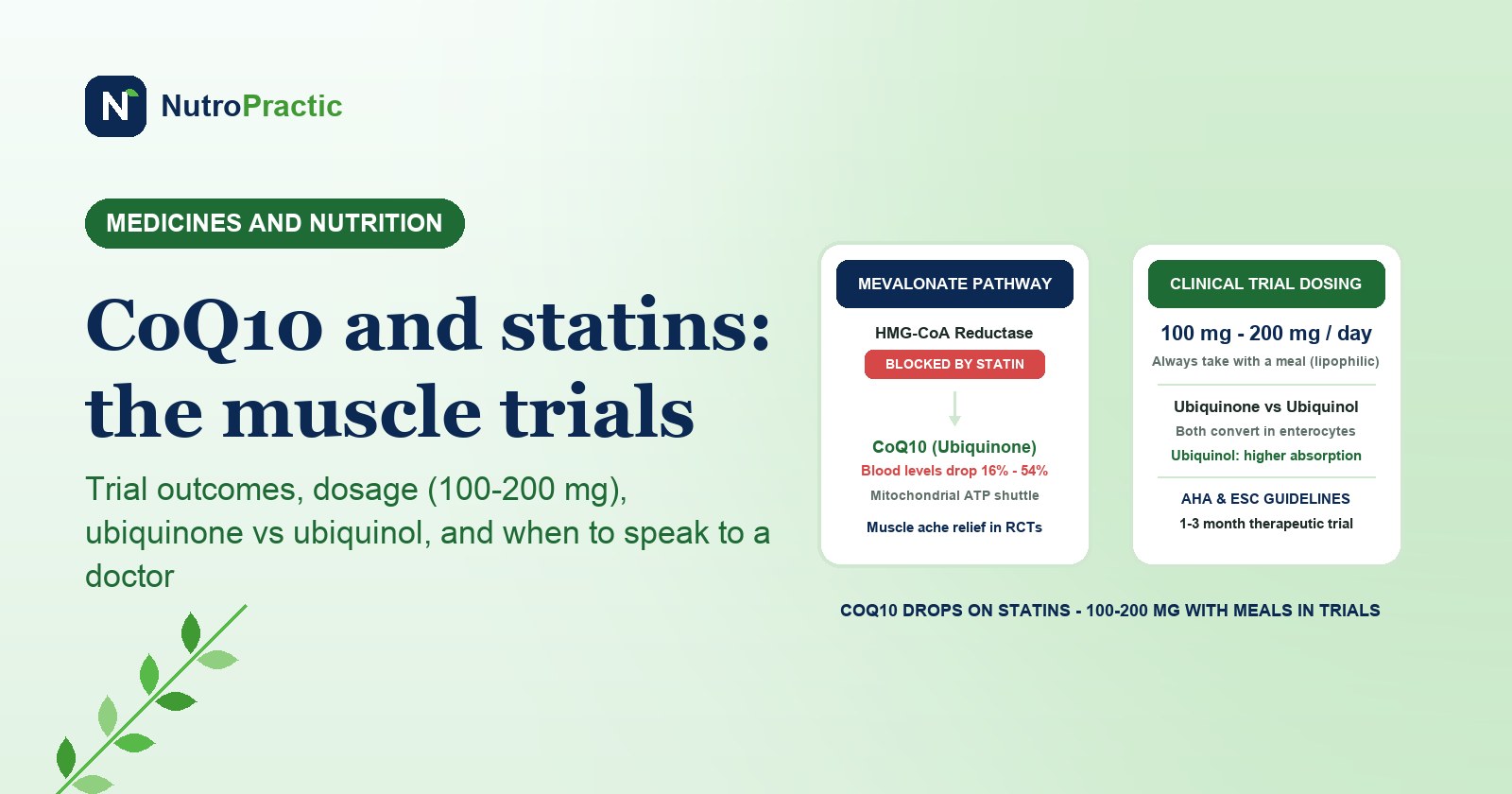
Medicines and nutrition
CoQ10 and statins: what the muscle symptom trials found, and who might benefit
Statin-associated muscle symptoms lead up to 30% of patients to discontinue life-saving cholesterol therapy. While statins deplete circulating CoQ10 by 16% to 54%, randomized clinical trials show mixed results for myalgia relief. Explore the trials, ubiquinone vs ubiquinol bioavailability, recommended doses, and clinical guideline recommendations.
14 Nov 2026
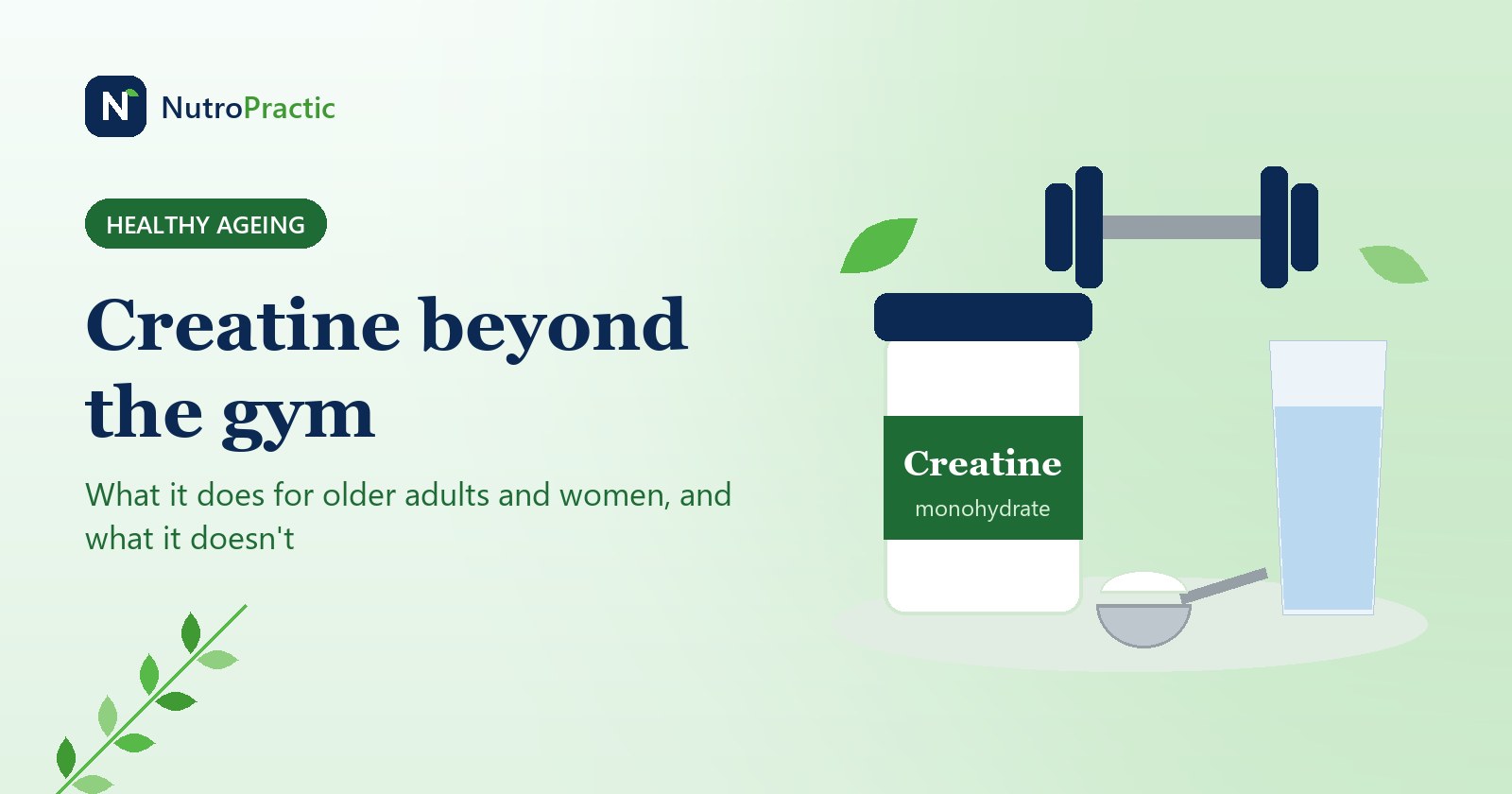
Healthy ageing
Creatine beyond the gym: what it does for older adults and women, and what it doesn't
Across 22 trials, adults in their late fifties to seventies who took creatine while doing resistance training gained about 1.4 kg more lean mass than those who trained without it. Two two-year trials found it did nothing for bone density after menopause. Where the evidence is solid, where it's early (memory, short nights), how much to take, and who should leave it alone.
10 Oct 2026
Newsfeed for your website
Want this feed on your website?
Add it to any site with one copy-and-paste snippet. No sign-up, and it updates itself every hour.
Start with a virtual consultation
Tell Dr. Triveni what you want to change. You will leave with a clear next step, whether you are in Toronto, London, New York or Chennai.