Dental & oral nutrition · November 28, 2026
Daily sugary drinks at 14 meant 34% higher odds of tooth decay in a Rotterdam cohort of 2,454 teens
In the Generation R birth cohort, teens who drank sugary drinks daily had more dental caries at 14 and 18. The share with decay rose from 32.6% at 14 to 52.8% at 18.
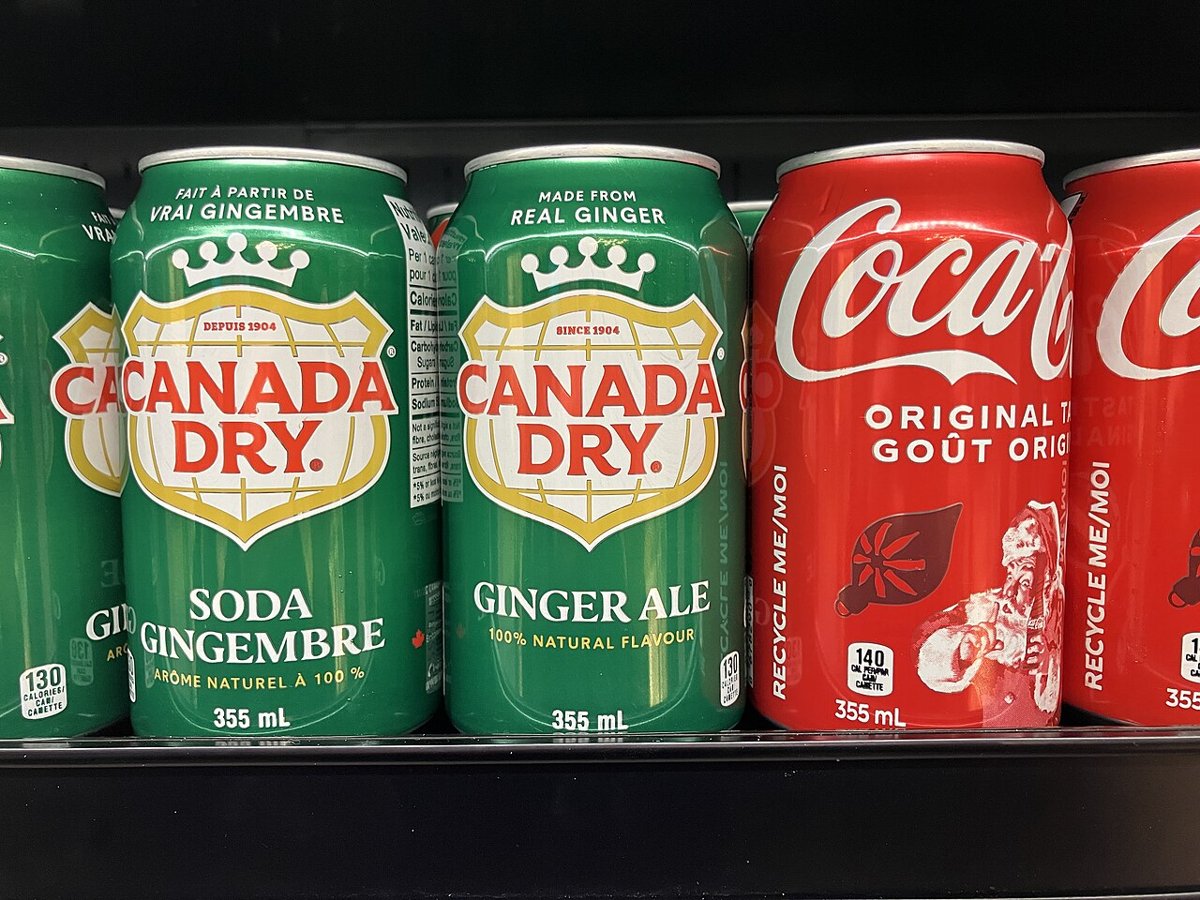
Teenagers are the biggest consumers of sugary drinks, and their teeth show it. This study followed children from birth to young adulthood in Rotterdam.
In Caries Research, Gisselle Carbajal Rodriguez and colleagues used 2,454 participants of the population-based Generation R cohort (52.8% female). Sugar-sweetened beverages (SSB) and sugar-rich foods were assessed by food frequency questionnaires at ages 8, 14 and 18, and caries was scored from intra-oral photographs using the DMFT index at 14 and 18.
The share with at least one decayed, missing or filled tooth rose from 32.6% at 14 to 52.8% at 18. At 14, daily SSB intake went with higher odds of DMFT of 1 or more (OR 1.34; 95% CI 1.06-1.68). At 18, daily intake went with a higher mean DMFT score (RR 1.23; 95% CI 1.03-1.47). Teens in a 'moderate-increasing' SSB trajectory had more caries, though the size of that link remained uncertain. Sugar-rich food estimates shifted from slightly negative at 14 to moderately positive at 18.
This is observational: it shows associations, and photograph-based scoring and questionnaires have limits. Brushing, fluoride and dental visits were not the question here.
Sugar and caries from childhood to age 18 (Generation R)
2,454
participants from the Rotterdam Generation R cohort
32.6% to 52.8%
share with DMFT of 1 or more, age 14 to age 18
OR 1.34
daily SSB intake and DMFT of 1 or more at 14 (95% CI 1.06-1.68)
RR 1.23
daily SSB intake and mean DMFT at 18 (95% CI 1.03-1.47)
Birth-cohort study in Caries Research, 19 Nov 2026. Observational; associations, not proof of cause.
- DMFT counts decayed, missing and filled teeth.
- The cohort tracked intake at ages 8, 14 and 18, so the study could look at trajectories, not a single snapshot.
- Sugar intake and dental caries experience in the first 18 years of life. A birth cohort-studyCaries Research (Karger), 19 Nov 2026 · Abstract; CC BY 4.0.
This article is general information about published research, not medical advice. It does not diagnose, treat or replace care from a qualified health professional. Talk to your doctor before starting a supplement or changing your diet, especially if you are pregnant, have a medical condition or take medicines.
Analysis by NutroPractic from the sources listed. Written for general readers; it does not replace advice from your own doctor.
From our articles
Our guides on this subject
Plain-language guides on nutrition and wellness, backed by research.
Everyday eating
Food label claims decoded: 'no added sugar', 'multigrain', 'natural' and 'high protein'
A no-added-sugar biscuit with only 13% fewer calories. A 7-grain loaf with refined flour listed first. A 'high protein' bar that clears the legal line at 21%. What each claim legally requires in the EU/UK, US and India, with worked reads of real packs.
2 Nov 2026
Nutrition science
Sweeteners after the WHO advice: aspartame, stevia, erythritol and what the 2023 decisions meant
In 2023 the WHO advised against using sweeteners to control weight, and its cancer agency called aspartame 'possibly carcinogenic' a few weeks later. Neither means your diet drink is dangerous, and neither means it helps. What the reviews found, how much is allowed, why erythritol is the one to watch, and what to do if you have diabetes or simply want less sugar.
18 Oct 2026
Gut health
L-glutamine for gut barrier integrity: what the post-infectious IBS and permeability trials measured, and the dose in grams
At 15 g a day, glutamine took 79.6% of post-infection IBS-D patients to a clinical response against 5.8% on placebo. Trials that measured gut permeability directly in Crohn's, pancreatitis and heat stress found no clear benefit, and a 10-trial meta-analysis found none overall. The doses, the 14 g a day safe level, and who might try it.
27 Nov 2026
Newsfeed for your website
Want this feed on your website?
Add it to any site with one copy-and-paste snippet. No sign-up, and it updates itself every hour.
Start with a virtual consultation
Tell Dr. Triveni what you want to change. You will leave with a clear next step, whether you are in Toronto, London, New York or Chennai.