Fats and cholesterol · October 8, 2026
Not all saturated fats behave the same. A small trial looked at why one of them spares cholesterol
Stearic acid is a saturated fat, yet it doesn't push up LDL cholesterol the way palmitic acid does. A controlled feeding trial in 17 women found clues in how the liver handles bile acids.
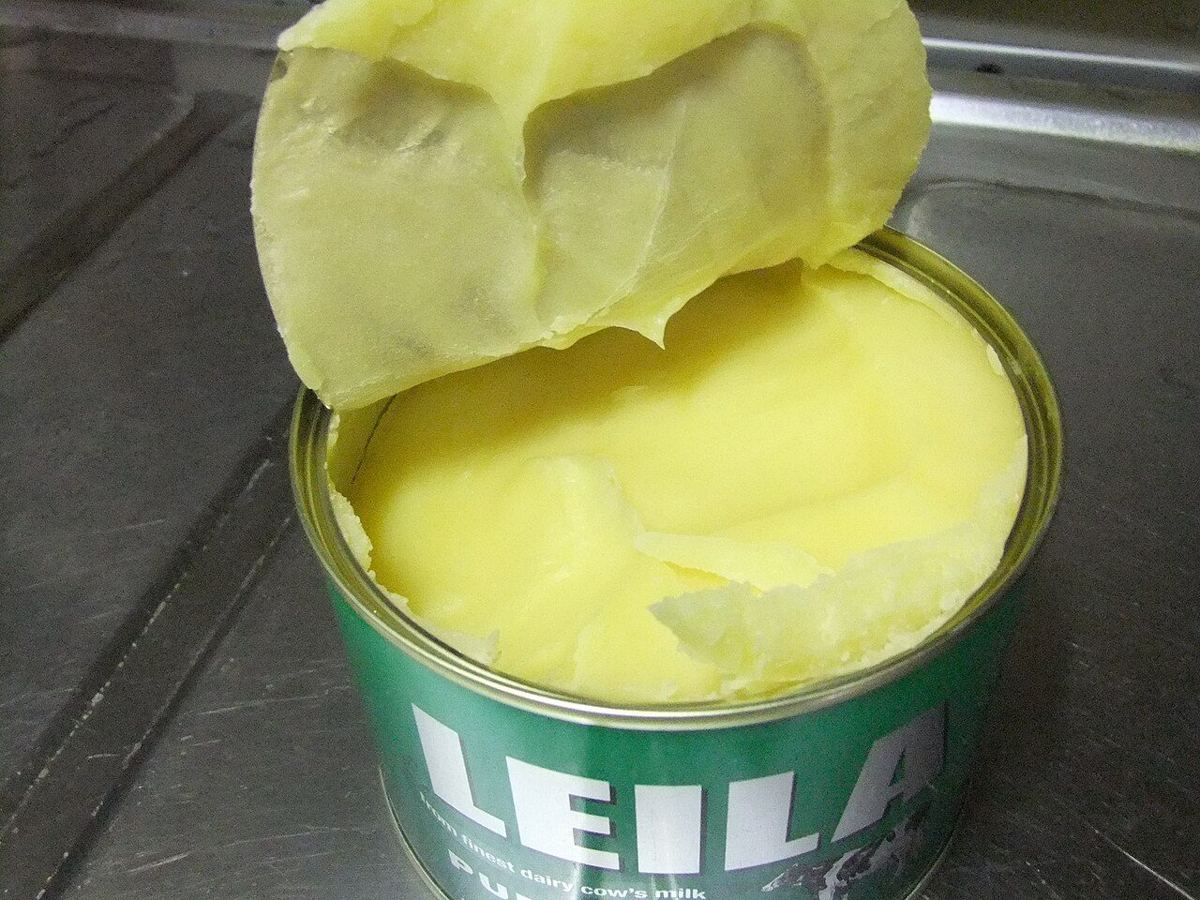
Saturated fat is usually treated as one thing on a food label, but it is a family of different fatty acids. Two of the most common are palmitic acid, the main saturated fat in palm oil and a large part of dairy and meat fat, and stearic acid, plentiful in cocoa butter and beef fat. Earlier feeding studies have found that stearic acid does not raise LDL cholesterol compared with palmitic acid, and behaves much like oleic acid, the main fat in olive oil. Why has been less clear.
A paper published online in The American Journal of Clinical Nutrition on 6 October 2026, from the Jean Mayer USDA Human Nutrition Research Center on Aging at Tufts University, went back to a controlled crossover trial to look for an explanation. Seventeen postmenopausal women with mildly raised cholesterol ate three diets with the same calories, each enriched in stearic, palmitic or oleic acid, for five weeks at a time, with two-week breaks in between. At the end of each diet the team measured gut bacteria, bile acids in blood and stool, markers of how much cholesterol the body made and absorbed, and the activity of related genes.
Gut bacterial diversity barely changed between diets. The clearer differences were in bile acids, which the liver makes from cholesterol. Compared with the palmitic acid diet, both the stearic and the oleic acid diets lowered fasting levels of primary bile acids, raised the activity of two genes (FXR and SHP) that act as the body's bile acid sensors three- to four-fold, and lowered the ratio of cholesterol made to cholesterol absorbed by 22 to 24%. Stearic acid also shifted a few specific gut microbes and bile acids of its own. The authors read this as a shared liver pathway, with an extra gut effect for stearic acid.
This is a small secondary analysis in one group of women, measuring markers rather than heart attacks or strokes, so it explains a known result rather than offering new diet advice. It does add to the case that the type of fat matters, not only the label 'saturated', and that swapping palm-heavy fats for unsaturated oils remains the better-tested choice.
The trial at a glance
17
Postmenopausal women with mildly raised cholesterol
3 diets x 5 weeks
Stearic, palmitic or oleic acid, same calories, 2-week breaks
3 to 4 times
Higher FXR and SHP gene activity on stearic or oleic vs palmitic
22 to 24% lower
Cholesterol made-to-absorbed ratio on stearic or oleic vs palmitic
No change
Overall gut bacterial diversity across the three diets
Checked on the journal abstract (The American Journal of Clinical Nutrition, published online 6 October 2026, via its PubMed record). Secondary analysis of a randomised crossover trial (ClinicalTrials.gov NCT02145936); all diets were fully provided and matched for calories.
- Bile acids are made in the liver from cholesterol, and turning cholesterol into bile is one of the main ways the body gets rid of it.
- Most bile acids are reabsorbed in the gut and sent back to the liver to be used again, a loop called enterohepatic circulation.
- Ghee, butter, palm oil and cocoa butter are all high in saturated fat, but the mix of fatty acids differs: palm oil is rich in palmitic acid, cocoa butter in stearic acid.
- Differential effects of stearic, palmitic and oleic acid enriched diets on gut microbiome, bile acid and cholesterol metabolism in mildly hypercholesterolemic post-menopausal females: A secondary analysis of a randomized controlled trialThe American Journal of Clinical Nutrition, 6 October 2026 · Journal article
- PubMed record 42838366US National Library of Medicine · Abstract with all figures used here
- NCT02145936ClinicalTrials.gov · Trial registration
General information, not medical advice. If you have high cholesterol or take cholesterol-lowering medicine, talk to your doctor or dietitian before changing the fats you eat.
Analysis by NutroPractic from the sources listed. Written for general readers; it does not replace advice from your own doctor.
Newsfeed for your website
Want this feed on your website?
Add it to any site with one copy-and-paste snippet. No sign-up, and it updates itself every hour.
Start with a virtual consultation
Tell Dr. Triveni what you want to change. You will leave with a clear next step, whether you are in Toronto, London, New York or Chennai.