Diabetes & kidney health · November 15, 2026
Soy foods tracked with healthier kidney markers in 4,922 adults with diabetes—but the snapshot cannot prove protection
Natto, tofu and miso soup were linked to lower odds of reduced filtration; only natto also tracked with less albumin in urine.
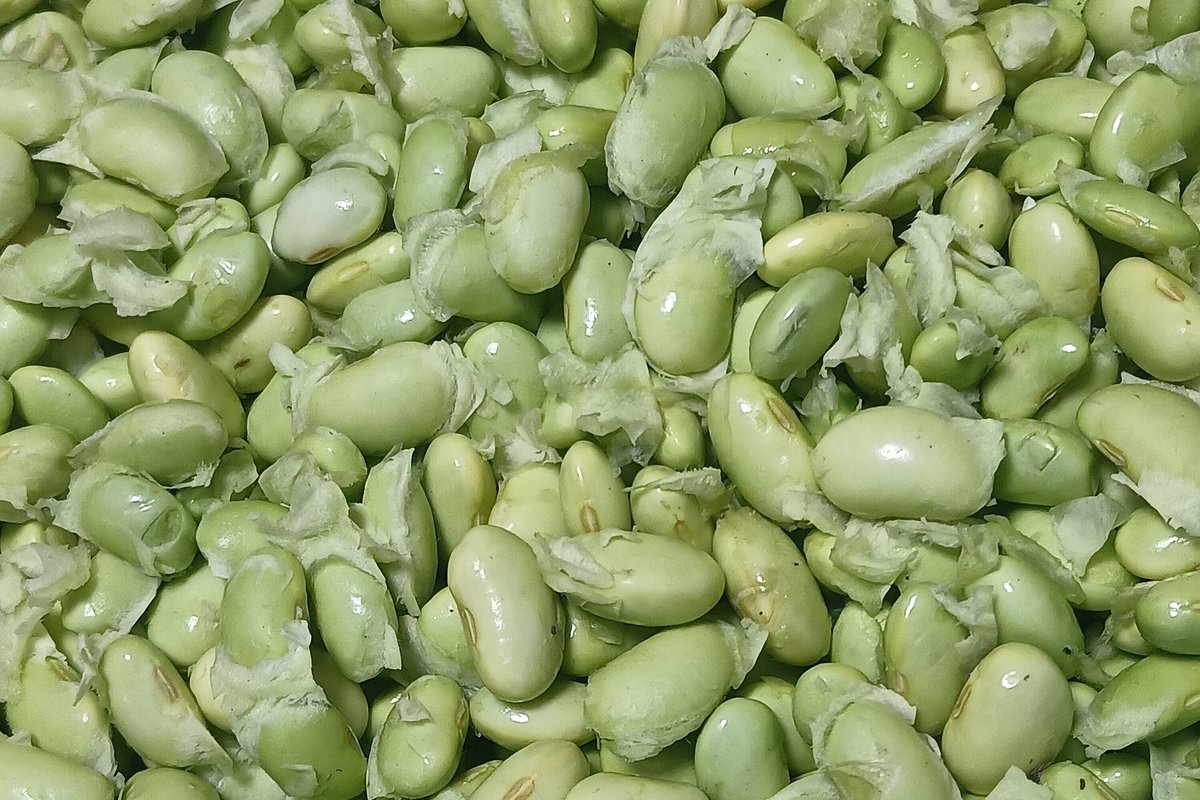
Soy foods differ in fermentation, salt, texture and the nutrients eaten with them, so treating 'soy' as one exposure can miss useful detail. Researchers used data from the Fukuoka Diabetes Registry to compare several common soy foods with two kidney-health markers.
The cross-sectional analysis included 4,922 Japanese adults with type 2 diabetes. A diet-history questionnaire estimated natto, miso soup, tofu and isoflavone intake. Kidney outcomes were a cystatin-C filtration estimate below 60 mL/min/1.73 m² and an albumin-to-creatinine ratio of at least 30 mg/g.
The most frequent consumers of natto, miso soup and tofu had lower odds of reduced filtration than the least frequent consumers. Adjusted odds ratios were 0.49, 0.63 and 0.52 respectively. More natto—but not miso soup or tofu—also tracked with lower odds of albuminuria. Higher isoflavone intake tracked with both outcomes.
These are associations measured at one time. People who eat soy often may differ in many other ways, and kidney disease itself may change what a person chooses or is advised to eat. The work does not show that adding soy reverses diabetic kidney disease, and sodium and potassium advice must still be individualised.
Highest versus lowest consumption frequency
4,922
Adults with type 2 diabetes
0.49
Adjusted odds ratio for reduced eGFR with natto
0.63
Adjusted odds ratio with miso soup
0.52
Adjusted odds ratio with tofu
Cross-sectional observational study. Odds ratios describe prevalence at one point and cannot establish that soy caused the difference.
- Natto is fermented whole soybean, while tofu is made from coagulated soy milk.
- Cystatin C is one blood marker used to estimate kidney filtration.
- Albumin in urine can signal kidney damage even when estimated filtration is not yet low.
- Miso soup can be sodium-rich, so an association in this dataset is not a blanket recommendation for people managing blood pressure or kidney disease.
- Soy foods, isoflavone intake, and diabetic kidney disease: The Fukuoka Diabetes RegistryJournal of Diabetes Investigation / PubMed · Primary cross-sectional study record with sample, exposure definitions, kidney outcomes and adjusted odds ratios. Published 12 November 2026.
- Shelled edamame beansWikimedia Commons · Fumikas Sagisavas, CC0 1.0 public-domain dedication. General soy-food illustration.
General information, not medical or dietary advice. People with diabetes or kidney disease should discuss protein, sodium, potassium and soy foods with their clinician or renal dietitian.
Analysis by NutroPractic from the sources listed. Written for general readers; it does not replace advice from your own doctor.
From our articles
Our guides on this subject
Plain-language guides on nutrition and wellness, backed by research.

Cardiovascular wellness
Psyllium husk: how much soluble fibre lowers LDL cholesterol and stabilizes post-meal glucose in clinical trials
Viscous soluble fibre forms a thick gel matrix in the small intestine that binds bile acids and blunts post-meal glucose spikes. Across dozens of randomized controlled trials, 7 to 10.2 grams of psyllium daily lowers LDL cholesterol by 6% to 12% without stripping HDL, while reducing postprandial glucose surges by 15% to 25% in metabolic syndrome and type 2 diabetes. Discover the bile acid sequestration mechanism, trial meta-analyses, exact timing before meals, water ratios, and titration protocols to avoid gas and cramping.
13 Nov 2026
Diabetes
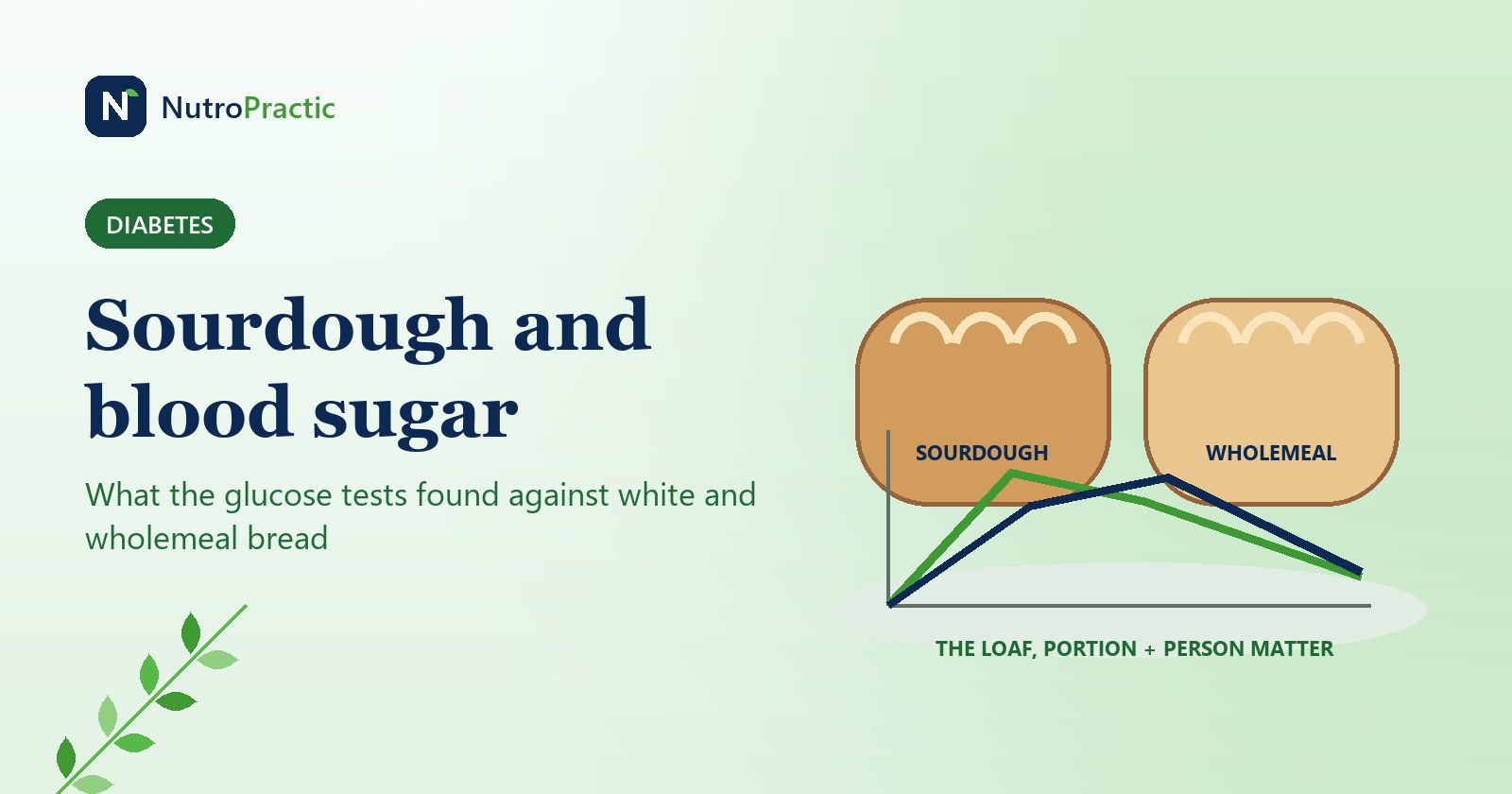
Sourdough and blood sugar: what the glucose tests found against white and wholemeal bread
Sourdough did not beat white bread on average in a 20-person crossover trial, and half responded better to white. A trial-by-trial look at fermentation, flour, portions, GI and how to test your own loaf fairly.
6 Nov 2026
Diabetes
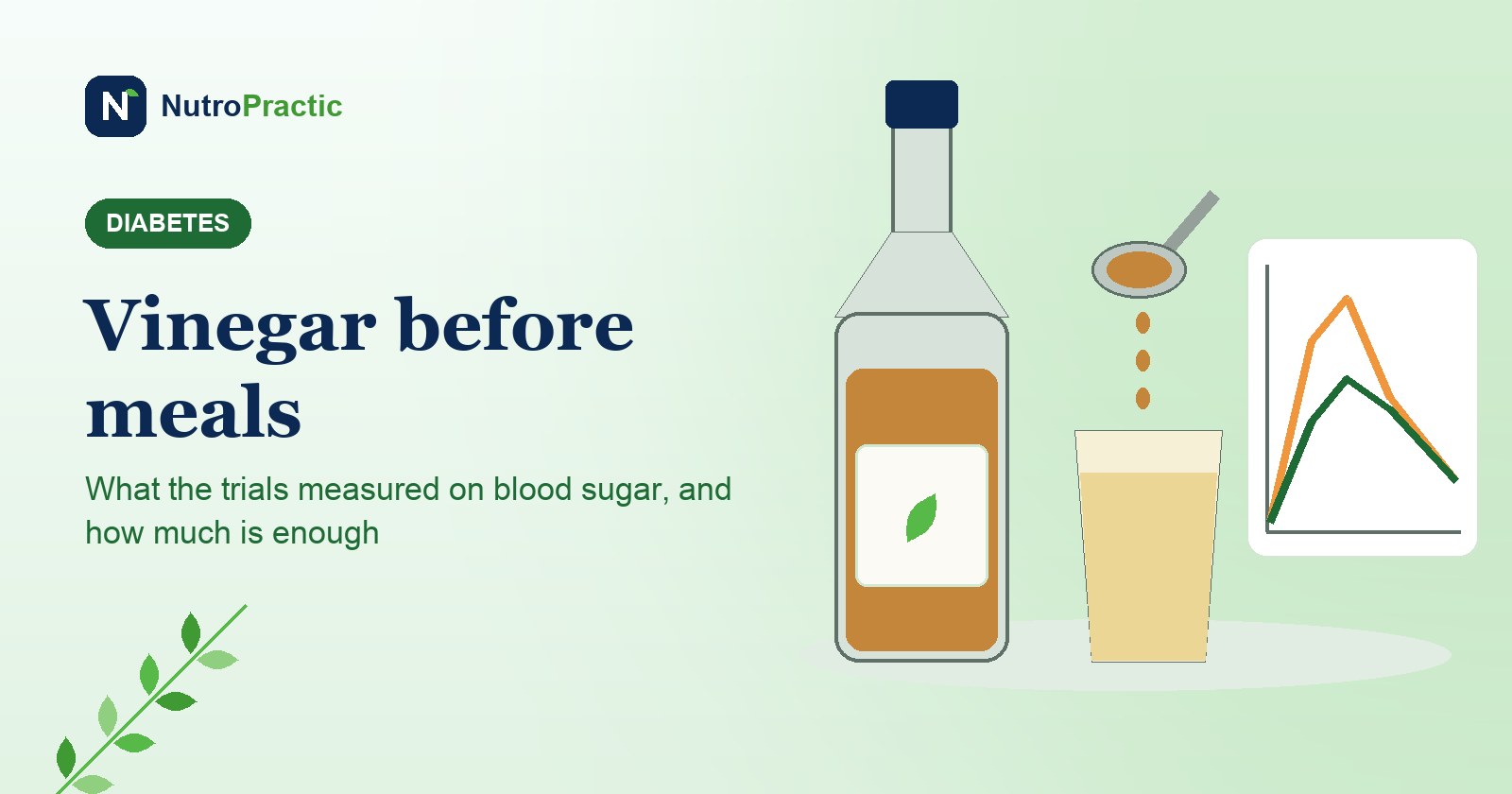
Vinegar before meals: what the trials measured on blood sugar, and how much is enough
Two teaspoons to a tablespoon with a starchy meal trims the glucose peak at 30 minutes, and the gap fades by two hours. HbA1c reviews range from -0.39 to -1.53, and we explain which to trust. Two gummies hold about 50 mg of acetic acid against 750 mg in a tablespoon.
5 Nov 2026
Newsfeed for your website
Want this feed on your website?
Add it to any site with one copy-and-paste snippet. No sign-up, and it updates itself every hour.
Start with a virtual consultation
Tell Dr. Triveni what you want to change. You will leave with a clear next step, whether you are in Toronto, London, New York or Chennai.