Mental health & beverages · November 28, 2026
Across 53 studies and 1.4 million people, high soft drink intake went with 38% higher odds of depressive symptoms, 17% after bias correction
A meta-analysis of observational studies found soft drink consumption associated with depressive symptoms, with a stronger signal at 7 or more drinks a week. These are associations, not proof of cause.

Depressive symptoms are rising worldwide, as is soft drink consumption. Zhang, Sheng, Li and colleagues pooled the evidence in the British Journal of Nutrition.
They searched PubMed, Embase, Web of Science, Scopus, the Cochrane Library and PsycINFO for studies published before 1 November 2025 and included 53 observational studies with 1,418,770 participants, comparing the highest with the lowest soft drink intake.
Before trim-and-fill correction for publication bias, the pooled odds ratio was 1.38 (95% CI 1.30-1.47). After that correction it fell to 1.17 (1.07-1.28). In people aged 18 or under the corrected OR was 1.21 (1.05-1.39), and drinking 7 or more times a week had an OR of 1.51 (1.33-1.72).
Observational data cannot show that soft drinks cause depression; people with low mood may drink more of them, and other lifestyle factors could explain part of the link.
Soft drink consumption and depressive symptoms, 53 observational studies
1,418,770
participants in 53 studies
OR 1.38
highest vs lowest intake, before publication-bias correction (95% CI 1.30-1.47)
OR 1.17
after publication-bias correction (95% CI 1.07-1.28)
OR 1.51
at 7 or more drinks a week (95% CI 1.33-1.72)
Systematic review and meta-analysis, British Journal of Nutrition, 25 Nov 2026. Associations only.
- Trim-and-fill is a method that estimates the effect of missing, unpublished small studies.
- The link was stronger in the under-18 subgroup than in some other age groups.
- Soft drink consumption and depressive symptoms: a systematic review and meta-analysisBritish Journal of Nutrition, 25 Nov 2026 · Abstract and results.
This article is general information about published research, not medical advice. It does not diagnose, treat or replace care from a qualified health professional. Talk to your doctor before starting a supplement or changing your diet, especially if you are pregnant, have a medical condition or take medicines.
Analysis by NutroPractic from the sources listed. Written for general readers; it does not replace advice from your own doctor.
From our articles
Our guides on this subject
Plain-language guides on nutrition and wellness, backed by research.
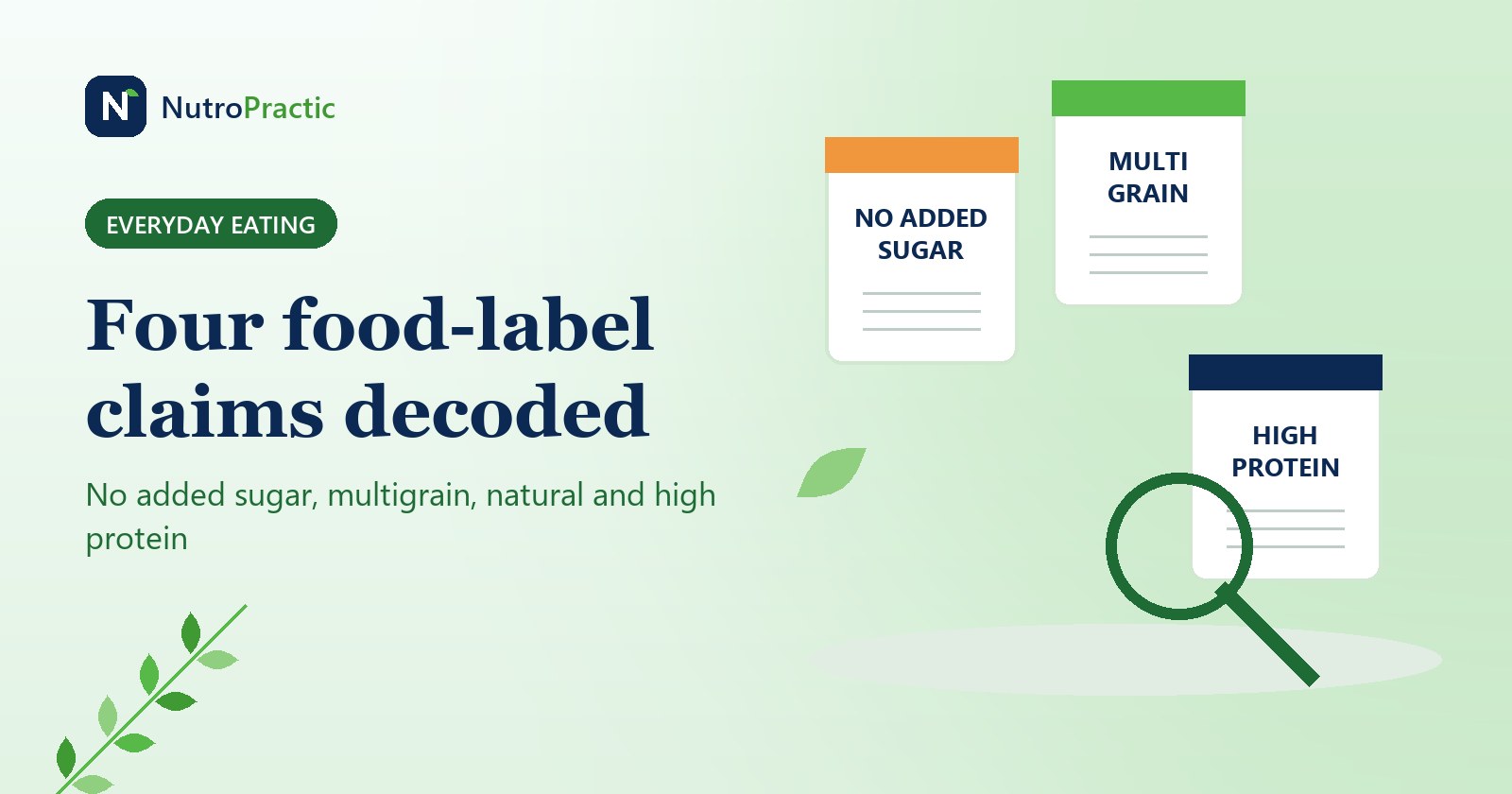
Everyday eating
Food label claims decoded: 'no added sugar', 'multigrain', 'natural' and 'high protein'
A no-added-sugar biscuit with only 13% fewer calories. A 7-grain loaf with refined flour listed first. A 'high protein' bar that clears the legal line at 21%. What each claim legally requires in the EU/UK, US and India, with worked reads of real packs.
2 Nov 2026
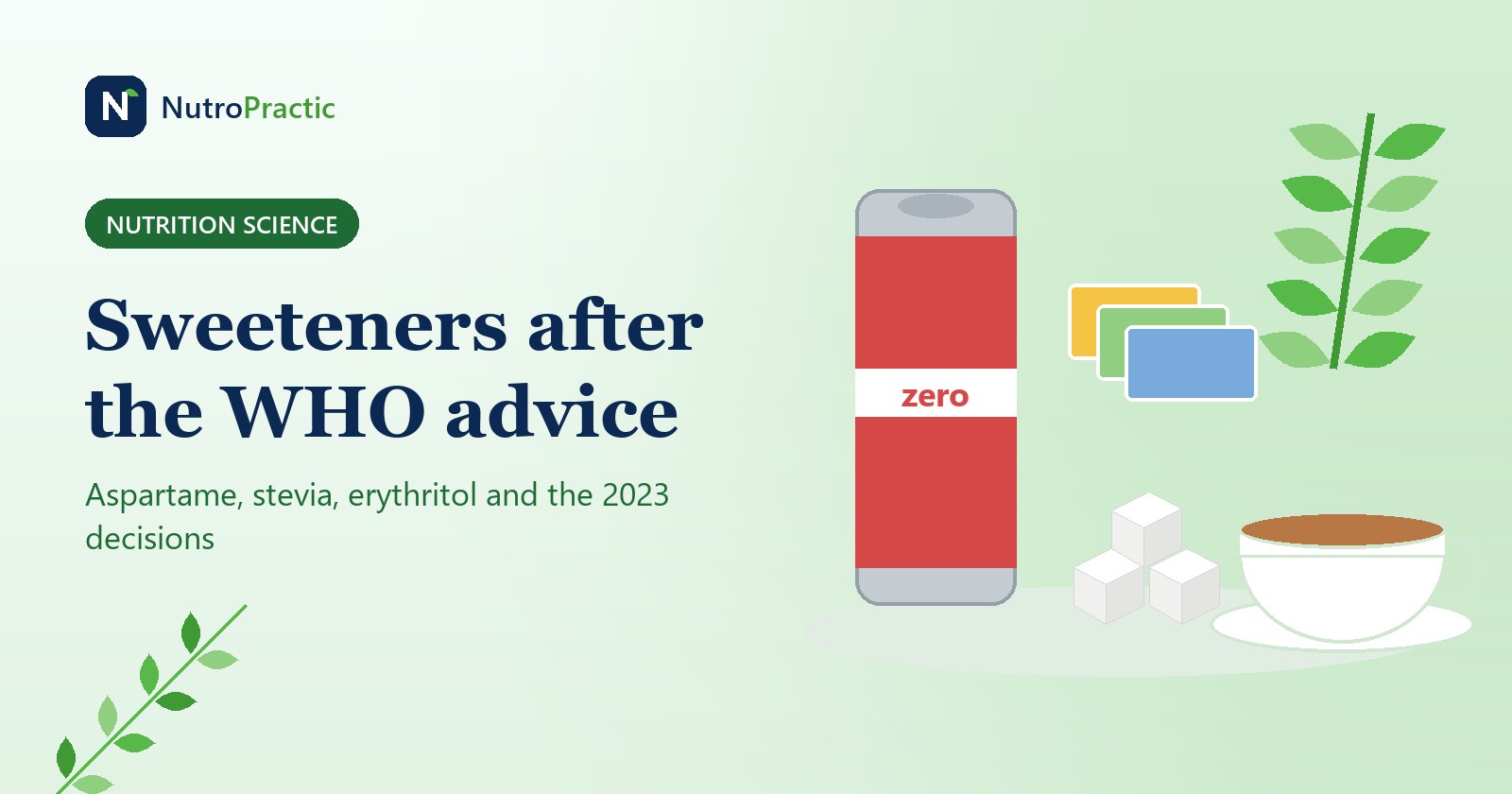
Nutrition science
Sweeteners after the WHO advice: aspartame, stevia, erythritol and what the 2023 decisions meant
In 2023 the WHO advised against using sweeteners to control weight, and its cancer agency called aspartame 'possibly carcinogenic' a few weeks later. Neither means your diet drink is dangerous, and neither means it helps. What the reviews found, how much is allowed, why erythritol is the one to watch, and what to do if you have diabetes or simply want less sugar.
18 Oct 2026
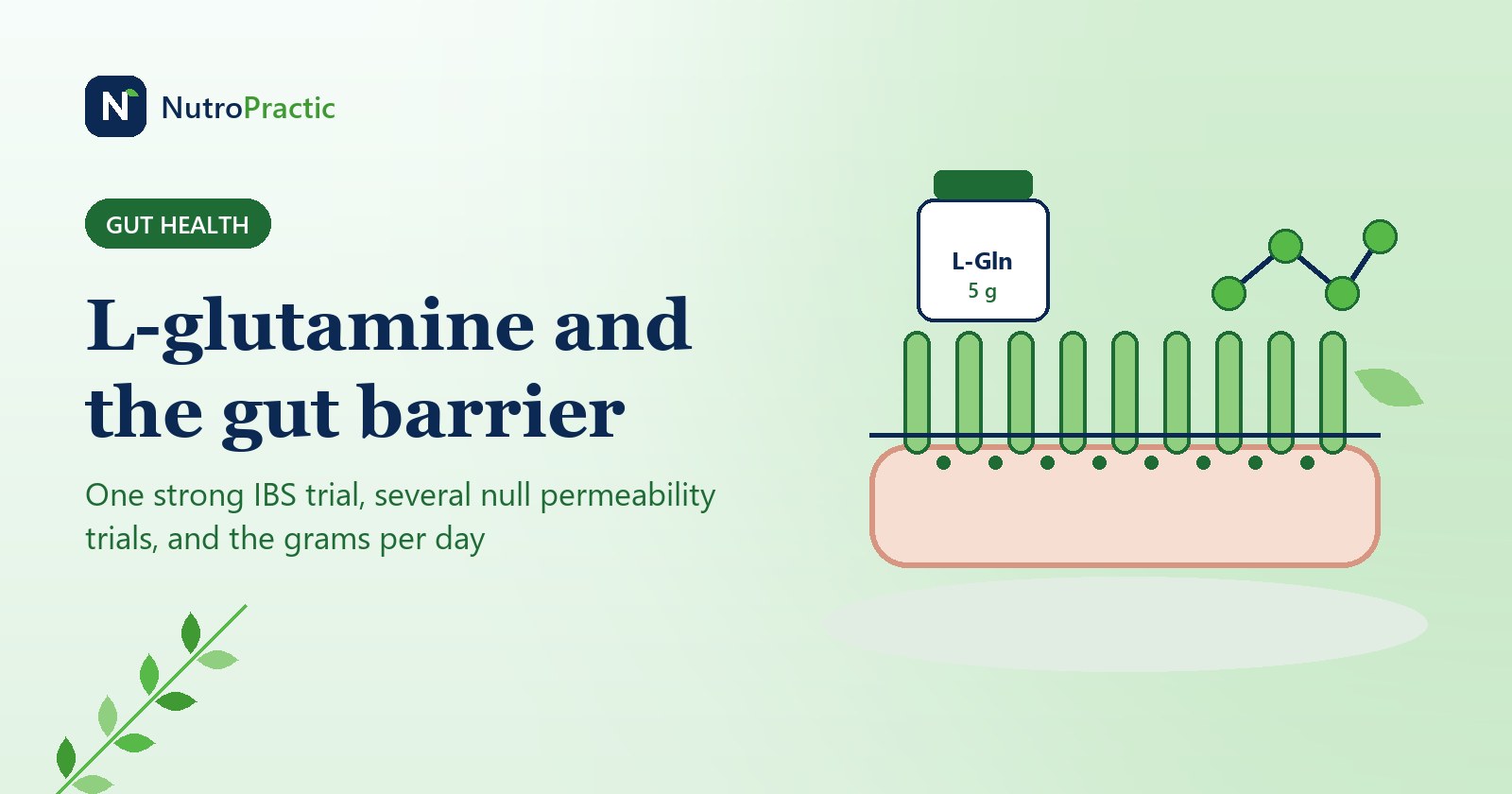
Gut health
L-glutamine for gut barrier integrity: what the post-infectious IBS and permeability trials measured, and the dose in grams
At 15 g a day, glutamine took 79.6% of post-infection IBS-D patients to a clinical response against 5.8% on placebo. Trials that measured gut permeability directly in Crohn's, pancreatitis and heat stress found no clear benefit, and a 10-trial meta-analysis found none overall. The doses, the 14 g a day safe level, and who might try it.
27 Nov 2026
Newsfeed for your website
Want this feed on your website?
Add it to any site with one copy-and-paste snippet. No sign-up, and it updates itself every hour.
Start with a virtual consultation
Tell Dr. Triveni what you want to change. You will leave with a clear next step, whether you are in Toronto, London, New York or Chennai.