Clinical rheumatology & supplement safety · November 27, 2026
Supplements in joint disease: only 37% of 257 surveyed Italian rheumatologists showed adequate knowledge, and 72.5% recommend them thinking they have no adverse effects
A survey of 257 members of the Italian College of Rheumatologists (IntegraRE project) found 37.4% had adequate knowledge of food supplements, with gaps in regulation, intended uses and adverse-reaction reporting.
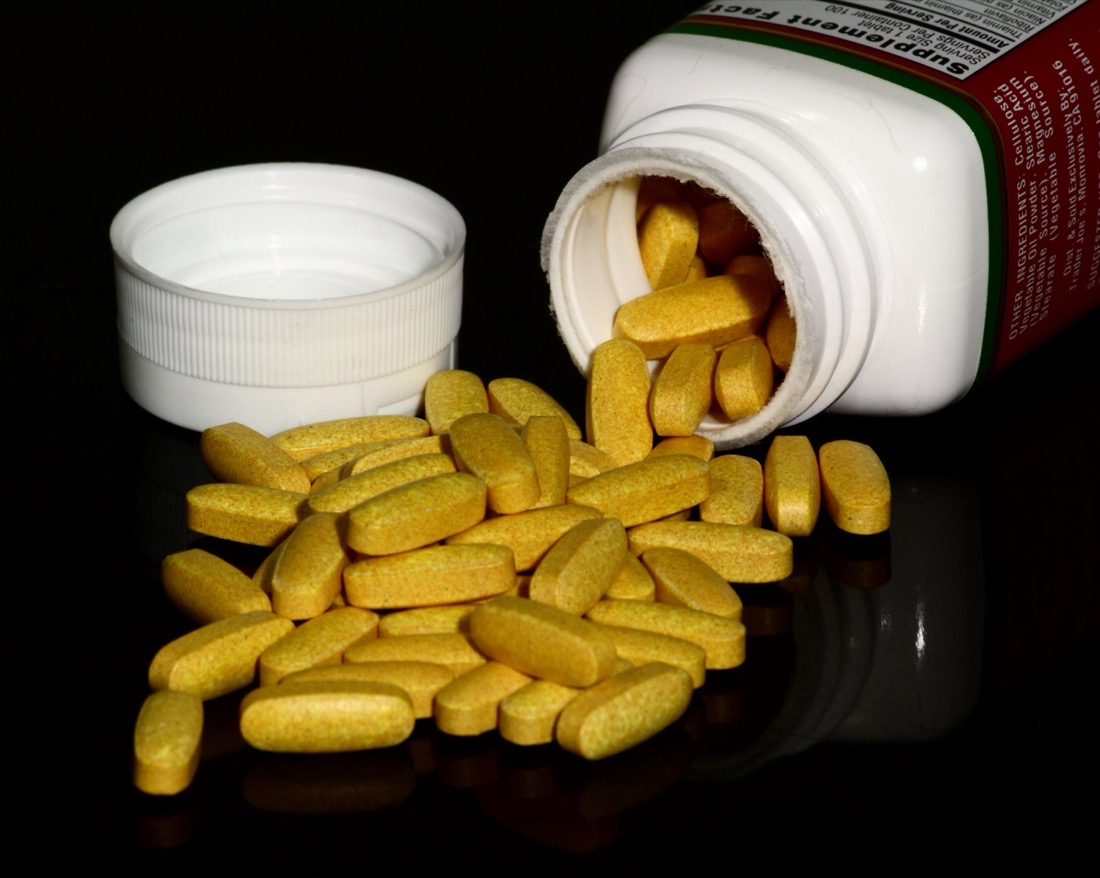
Many people with rheumatic diseases use food supplements. How much do their rheumatologists know about them?
The IntegraRE project surveyed 257 members of the Italian College of Rheumatologists with a structured questionnaire on knowledge, attitudes and recommendation practices. Led by Silvia Di Giacomo, the cross-sectional study counted 11 or more correct answers as adequate knowledge.
Only 37.4% of respondents reached that mark, with substantial gaps in supplement regulation, intended uses and adverse-reaction reporting. Knowledge was not significantly linked to personal supplement use (p = 0.131). Doctors with adequate knowledge more often named official websites and scientific databases as their sources.
Notably, 72.5% of physicians recommended supplements because they considered them free of adverse effects; adequate knowledge was linked to lower odds of recommending on that basis (aOR 0.44, 95% CI 0.22-0.85). Vitamins, especially B group and vitamin D, were the most frequently recommended category (30.2%). The respondents were a self-selected sample of members, and the authors call for targeted education and reliable evidence-based information.
IntegraRE nationwide survey on rheumatologists and food supplements
257
members of the Italian College of Rheumatologists surveyed
37.4%
had adequate knowledge (11 or more correct answers)
72.5%
recommended supplements because they considered them free of adverse effects
30.2%
recommended vitamins most often, especially B group and vitamin D
Cross-sectional survey from the IntegraRE project published in Nutrients, November 2026. Respondents only; not all Italian rheumatologists.
- Knowledge level was not significantly linked to a doctor's own supplement use (p = 0.131).
- Adequate knowledge was linked to lower odds of recommending supplements on the belief that they have no adverse effects (aOR 0.44).
- Knowledge, Attitudes, and Food Supplement Recommendation Practices Among Responding Rheumatologists: A Cross-Sectional Survey from the IntegraRE ProjectNutrients · Cross-sectional survey by Silvia Di Giacomo et al. Published November 2026.
- File:B vitamin supplement tablets.jpgWikimedia Commons · Photo by Ragesoss, CC BY-SA 3.0.
Educational summary of nutrition research, not personal medical advice. Speak to your doctor or dietitian before changing your diet or supplements, especially if you are pregnant, take medicines or have a medical condition.
Analysis by NutroPractic from the sources listed. Written for general readers; it does not replace advice from your own doctor.
From our articles
Read, then eat a little better
Plain-language guides on nutrition and wellness, backed by research.
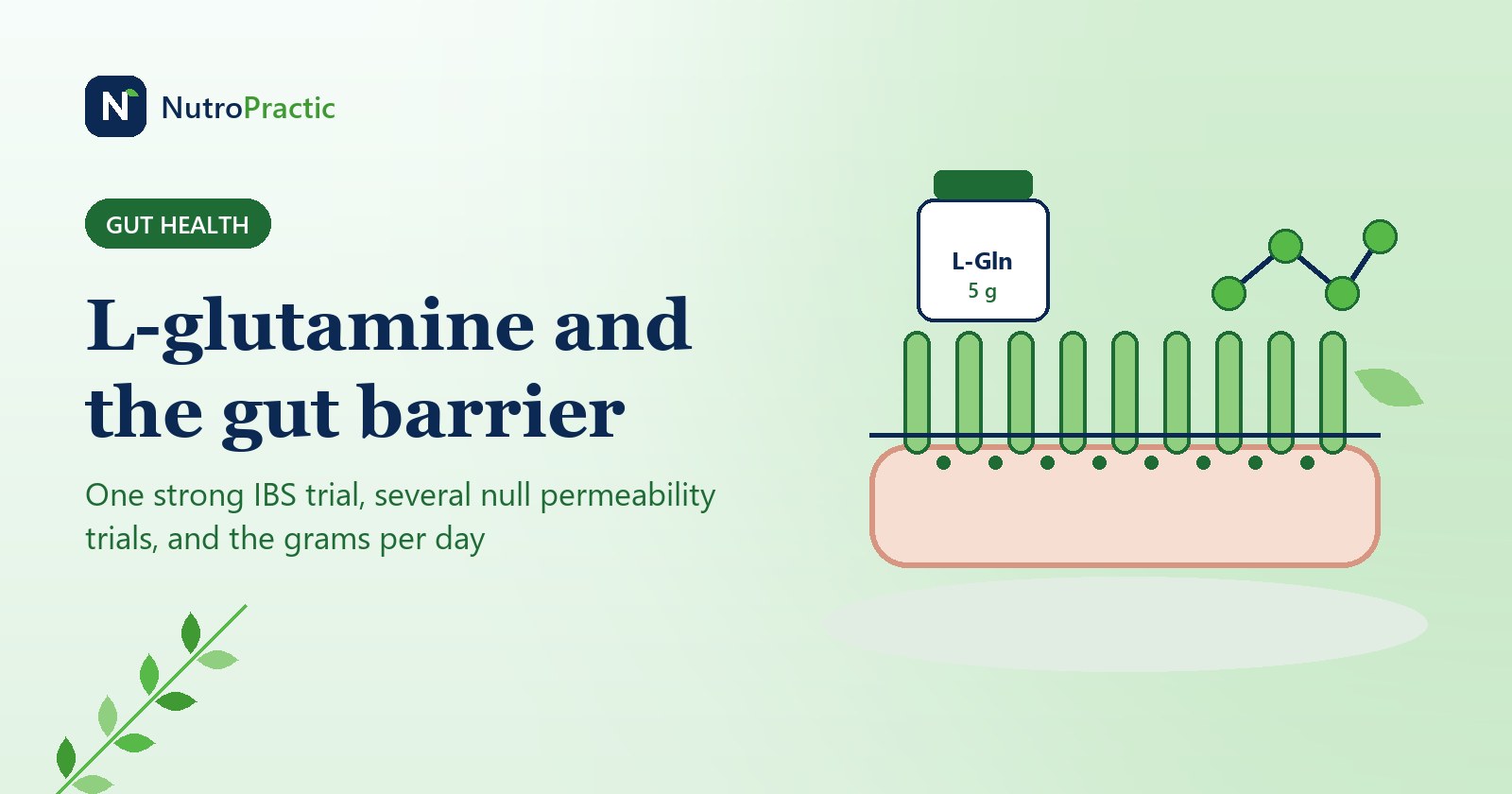
Gut health
L-glutamine for gut barrier integrity: what the post-infectious IBS and permeability trials measured, and the dose in grams
At 15 g a day, glutamine took 79.6% of post-infection IBS-D patients to a clinical response against 5.8% on placebo. Trials that measured gut permeability directly in Crohn's, pancreatitis and heat stress found no clear benefit, and a 10-trial meta-analysis found none overall. The doses, the 14 g a day safe level, and who might try it.
27 Nov 2026
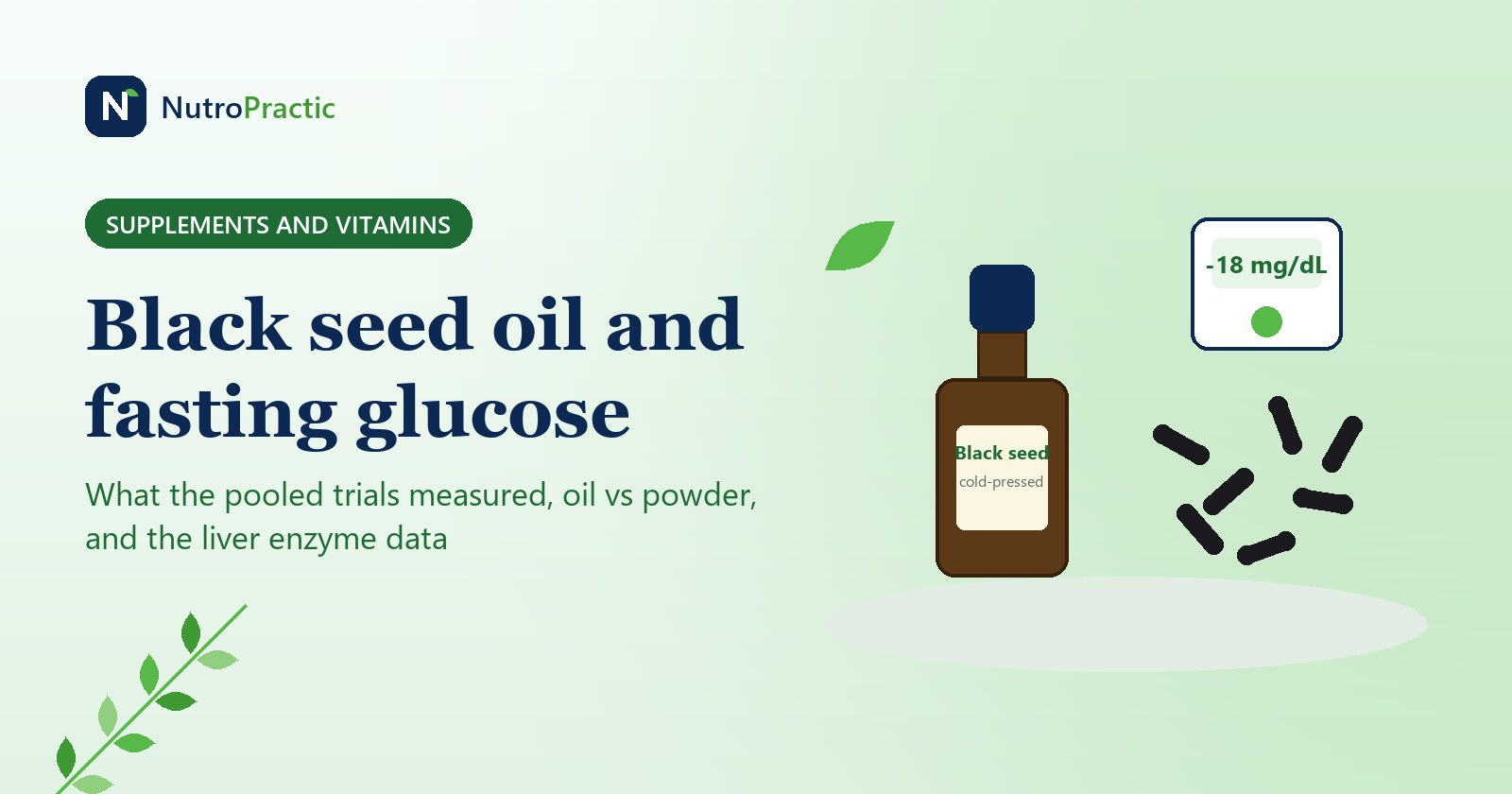
Supplements and vitamins
Black seed oil (Nigella sativa) and fasting glucose: what the pooled trials measured, oil vs powder doses, and the liver enzyme data
Meta-analyses of randomised trials put black seed's effect at roughly 10 to 20 mg/dL lower fasting glucose and about half a point of HbA1c, mostly as an add-on to diabetes tablets. The 1 to 3 g a day doses tested, why two bottles can differ 263-fold in thymoquinone, and what the liver and kidney markers showed.
27 Nov 2026
Supplements and vitamins
Chlorella and detox claims: what the human studies measured on hair metals, dioxins and vitamin B12, and what they did not
We found no placebo-controlled trial of chlorella removing mercury or lead. One 16-person study saw hair mercury and lead fall 39% on a chlorella-seaweed mix with no control group; breast-milk dioxin was about 30% lower in Japanese mothers; B12 ranges from under 0.1 to 415 micrograms per 100 g between brands.
26 Nov 2026
Newsfeed for your website
Want this feed on your website?
Add it to any site with one copy-and-paste snippet. No sign-up, and it updates itself every hour.
Start with a virtual consultation
Tell Dr. Triveni what you want to change. You will leave with a clear next step, whether you are in Toronto, London, New York or Chennai.