Geriatric nutrition & musculoskeletal health · November 21, 2026
Daily nutritional supplementation during resistance training significantly improves handgrip strength in older adults with sarcopenia
A systematic review and meta-analysis of 17 randomized controlled trials (905 older adults) found that combining resistance training with daily nutritional supplementation produced a statistically significant 2.50 kg improvement in handgrip strength, whereas evidence for post-exercise-only dosing remained inconclusive.
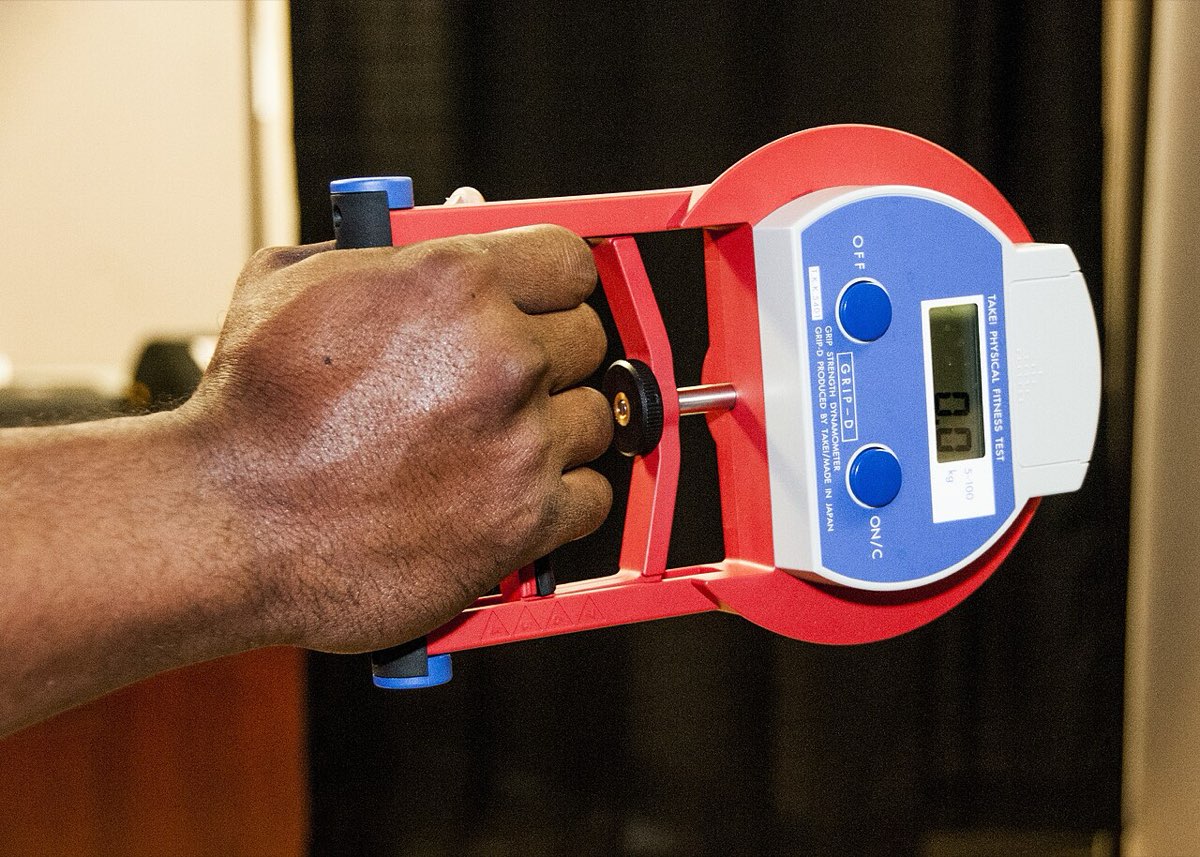
Age-related sarcopenia—the progressive decline in skeletal muscle mass, strength, and physical performance—is a major driver of frailty, functional dependency, and fall-related hospitalizations among older adults. Progressive resistance exercise training represents the established first-line therapeutic intervention. However, whether adding nutritional supplementation (such as whey protein, essential amino acids, or vitamin D) confers superior benefits, and whether daily versus exercise-timed dosing schedules optimize outcomes, has remained intensely debated.
To resolve these questions, geriatricians and exercise physiologists conducted a comprehensive systematic review and meta-analysis of randomized controlled trials involving sarcopenic adults aged 60 years and older. The authors searched PubMed, Web of Science, Embase, and the Cochrane Library through June 2026, stratifying analyses by supplementation timing schedules (daily continuous intake versus post-exercise ingestion) and evaluating evidence certainty using GRADE methodology.
Seventeen randomized controlled trials comprising 905 older participants met all eligibility criteria. Overall, combining resistance training with nutritional supplementation significantly outperformed control comparators for handgrip strength (mean difference [MD] = 1.97 kg, 95% CI: 1.10 to 2.84 kg). When stratified by schedule, daily continuous supplementation produced a robust and statistically significant gain in handgrip strength of 2.50 kg (95% CI: 1.52 to 3.47 kg) with moderate GRADE certainty.
In contrast, post-exercise-only supplementation failed to demonstrate a statistically significant handgrip strength effect (MD = 1.03 kg, 95% CI: -0.19 to 2.25 kg). While both schedules supported modest gains in lean fat-free mass, neither intervention produced significant improvements in habitual gait speed. The researchers conclude that daily ongoing nutritional supplementation provides more reliable functional strength gains in sarcopenic seniors than confining supplement intake strictly to post-workout windows.
Systematic review and meta-analysis of 17 randomized trials in sarcopenic older adults
+2.50 kg
Significant handgrip strength gain with daily supplementation (95% CI: 1.52-3.47)
+1.03 kg
Non-significant handgrip difference with post-exercise-only dosing
17 trials (905 pts)
Randomized controlled trials in adults aged 60+ with diagnosed sarcopenia
Moderate GRADE
High-confidence evidence supporting daily nutritional schedules
Systematic review and GRADE meta-analysis comparing daily vs post-exercise nutritional supplementation during resistance training.
- Sarcopenia is diagnosed clinically through low muscle strength (e.g. handgrip dynamometry) combined with low muscle quantity or quality.
- Older skeletal muscle exhibits anabolic resistance, requiring higher per-meal thresholds of essential amino acids (especially leucine) to stimulate protein synthesis.
- Handgrip strength serves as a validated clinical biomarker for all-cause mortality and functional longevity in geriatric populations.
- Daily protein targets for older adults undergoing resistance training are typically recommended at 1.2 to 1.6 grams per kilogram of body weight.
- Resistance Training Combined with Nutritional Supplementation in Older Adults with Sarcopenia: A Systematic Review and Meta-Analysis of Post-Exercise and Daily Supplementation SchedulesNutrients / MDPI · Systematic review and meta-analysis of 17 RCTs. Published 17 November 2026.
- Dynamometer strength assessmentWikimedia Commons · Photo by Marcy Sanchez, US Army, public domain.
Educational summary of geriatric musculoskeletal and clinical nutrition research. Older individuals initiating resistance training or dietary supplement regimens should consult their healthcare provider.
Analysis by NutroPractic from the sources listed. Written for general readers; it does not replace advice from your own doctor.
From our articles
Our guides on this subject
Plain-language guides on nutrition and wellness, backed by research.
Healthy ageing
Creatine beyond the gym: what it does for older adults and women, and what it doesn't
Across 22 trials, adults in their late fifties to seventies who took creatine while doing resistance training gained about 1.4 kg more lean mass than those who trained without it. Two two-year trials found it did nothing for bone density after menopause. Where the evidence is solid, where it's early (memory, short nights), how much to take, and who should leave it alone.
10 Oct 2026

Women's health
Eating through menopause: what changes for your bones, muscle and heart, and what to put on the plate
Around the final period, bone density at the spine drops by about 2% a year and LDL cholesterol jumps within a year or two. Hot flushes get the attention, but these quieter changes are where food and strength training do the most. Targets for protein, calcium and vitamin D, an honest look at soy, and a week you can start on Monday.
8 Oct 2026
Medicines and nutrition
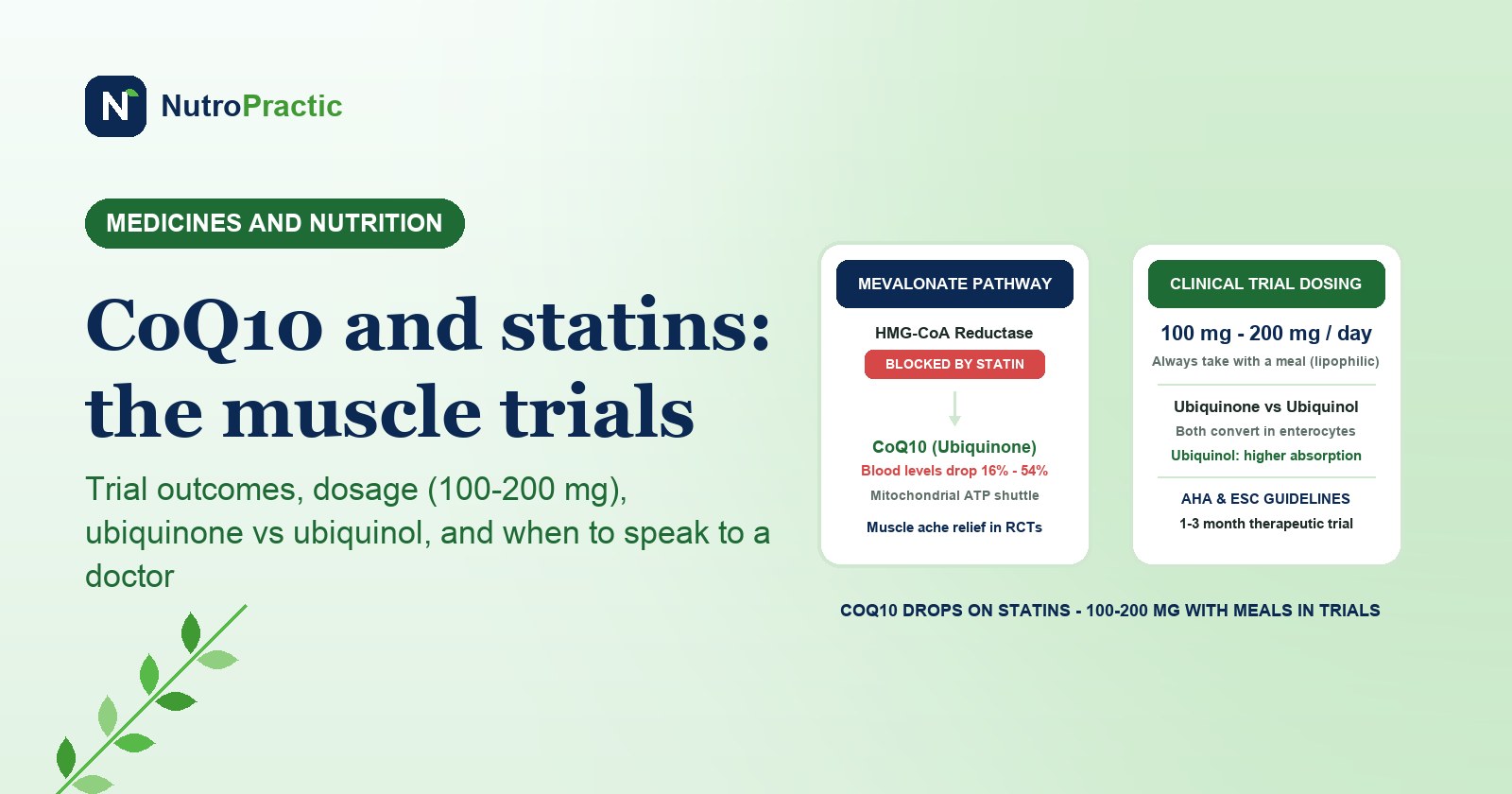
CoQ10 and statins: what the muscle symptom trials found, and who might benefit
Statin-associated muscle symptoms lead up to 30% of patients to discontinue life-saving cholesterol therapy. While statins deplete circulating CoQ10 by 16% to 54%, randomized clinical trials show mixed results for myalgia relief. Explore the trials, ubiquinone vs ubiquinol bioavailability, recommended doses, and clinical guideline recommendations.
14 Nov 2026
Newsfeed for your website
Want this feed on your website?
Add it to any site with one copy-and-paste snippet. No sign-up, and it updates itself every hour.
Start with a virtual consultation
Tell Dr. Triveni what you want to change. You will leave with a clear next step, whether you are in Toronto, London, New York or Chennai.