Gut-lung axis & clinical immunology · November 19, 2026
A six-month probiotic course restored gut microbial diversity and short-chain fatty acids after severe lung infection
In a randomized, placebo-controlled clinical trial investigating the gut–lung axis after severe respiratory infection, targeted multispecies probiotic therapy restored depressed microbial richness, increased stool butyrate, and improved patient-reported vitality.
Mounting immunological evidence confirms bidirectional crosstalk along the gut–lung axis, where intestinal microbial ecology shapes systemic immune resilience and pulmonary defenses. Severe lower respiratory viral infections, such as acute pulmonary syndromes, frequently induce collateral gastrointestinal dysbiosis, depleting beneficial commensal taxa, diminishing short-chain fatty acid synthesis, and delaying systemic recovery.
A randomized, placebo-controlled clinical pilot trial published in Nutrients investigated whether targeted probiotic administration could rehabilitate gut microbial architecture and metabolic functionality in patients recovering from severe respiratory infection. Investigators recruited convalescent patients following severe illness, randomizing them to receive either a daily targeted multispecies probiotic formula or an identical placebo over an extended six-month intervention period, alongside comparison with a mild infection control cohort.
The researchers conducted longitudinal multi-omic profiling, tracking fecal 16S rRNA taxonomic sequencing, targeted stool metabolomics, markers of intestinal permeability, circulating inflammatory cytokines, and validated patient-reported quality-of-life instruments across baseline, 3-month, and 6-month milestones.
Patients recovering from severe respiratory infection initially presented with substantially depressed intestinal microbial richness compared to mild controls. Over the intervention, probiotic supplementation drove significant microbial diversification, progressively restoring species richness. Fecal metabolomic profiling revealed significant elevations in beneficial butyrate at six months and early rises in L-DOPA at three months, paralleled by measurable gains in patient vitality and systemic well-being. The findings demonstrate that post-acute respiratory recovery can be accelerated by therapeutically nourishing the intestinal microbiome.
Gut microbial ecology and metabolic shifts after 6 months of probiotic therapy
6 months
Longitudinal duration of probiotic intervention in recovery cohorts
+Richness
Significant restoration of depleted intestinal bacterial species diversity
+Butyrate
Statistically significant elevation in fecal short-chain fatty acids
+Vitality
Measurable gains in patient-reported general health and well-being
Randomized controlled trial evaluating the gut–lung axis. Multispecies probiotic supplementation aided microbial re-colonization and short-chain fatty acid recovery following severe respiratory illness.
- The gut–lung axis connects the gastrointestinal tract and respiratory system through mesenteric lymphatic drainage and migrating immune cells.
- Microbial richness reflects the total number of distinct bacterial species residing within an ecosystem, serving as a primary marker of ecological stability.
- Butyrate fuels colonocytes, tightens intestinal epithelial junction complexes, and promotes anti-inflammatory regulatory T cells throughout mucosal tissues.
- L-DOPA synthesized in the gut serves as an essential precursor for dopamine, facilitating enteric nervous system signaling and systemic homeostasis.
- Alteration of the Gut–Lung Axis After Severe COVID-19 Infection and Modulation Through Probiotics: A Randomized, Controlled Pilot StudyNutrients / MDPI · Randomized, controlled pilot trial evaluating gut-lung axis modulation. Published November 2026.
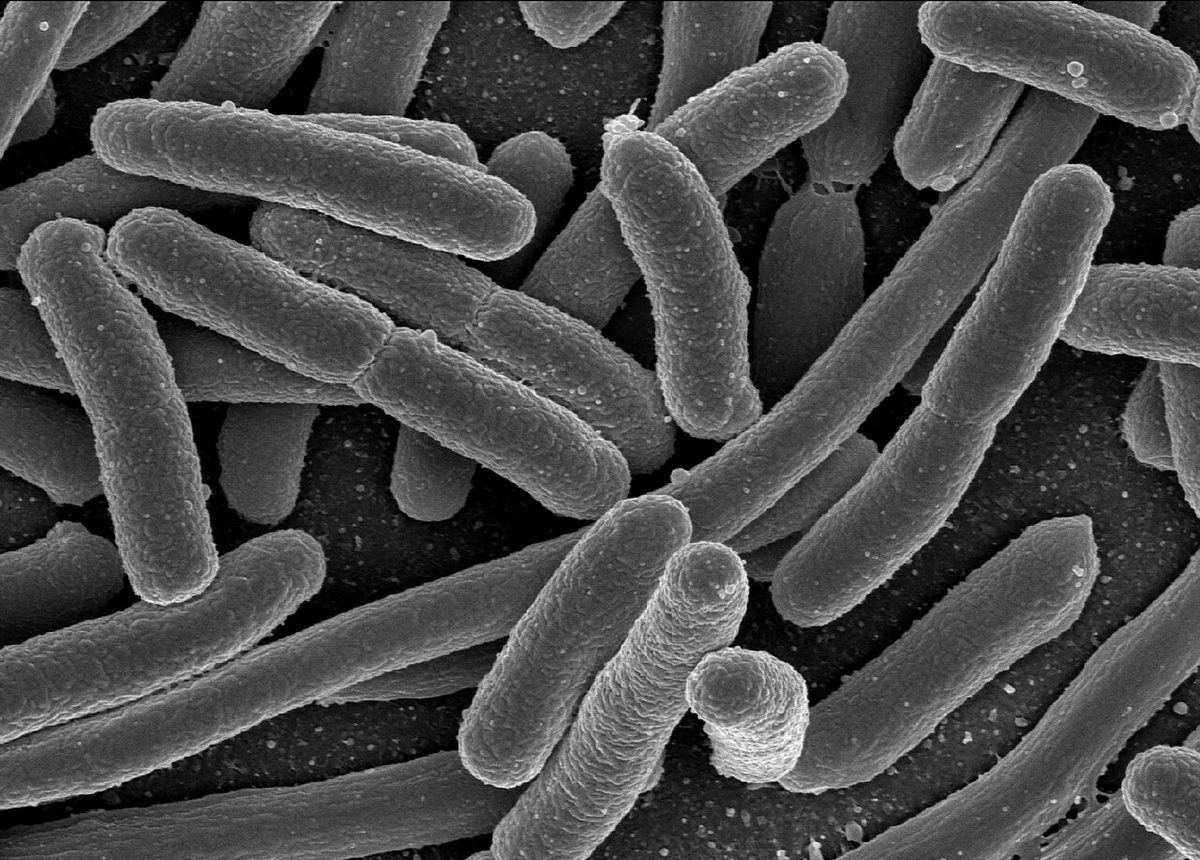
- E. coli Bacteria scanning electron micrographWikimedia Commons · Public domain photo by NIAID.
Clinical immunology and microbiome research summary, not clinical therapy. Patients recovering from severe respiratory illnesses should discuss probiotic adjuncts with their treating pulmonologist or physician.
Analysis by NutroPractic from the sources listed. Written for general readers; it does not replace advice from your own doctor.
From our articles
Our guides on this subject
Plain-language guides on nutrition and wellness, backed by research.
Gut health
Probiotic capsules: which ones have trial evidence, what they can do, and when to skip them
Children on antibiotics: 8% got diarrhoea with a probiotic, 19% without. Older hospital patients: 10.8% with, 10.4% without. Which capsules have evidence, what three guidelines say about IBS, what a course costs per case prevented, and who shouldn't take them.
2 Nov 2026
Gut health
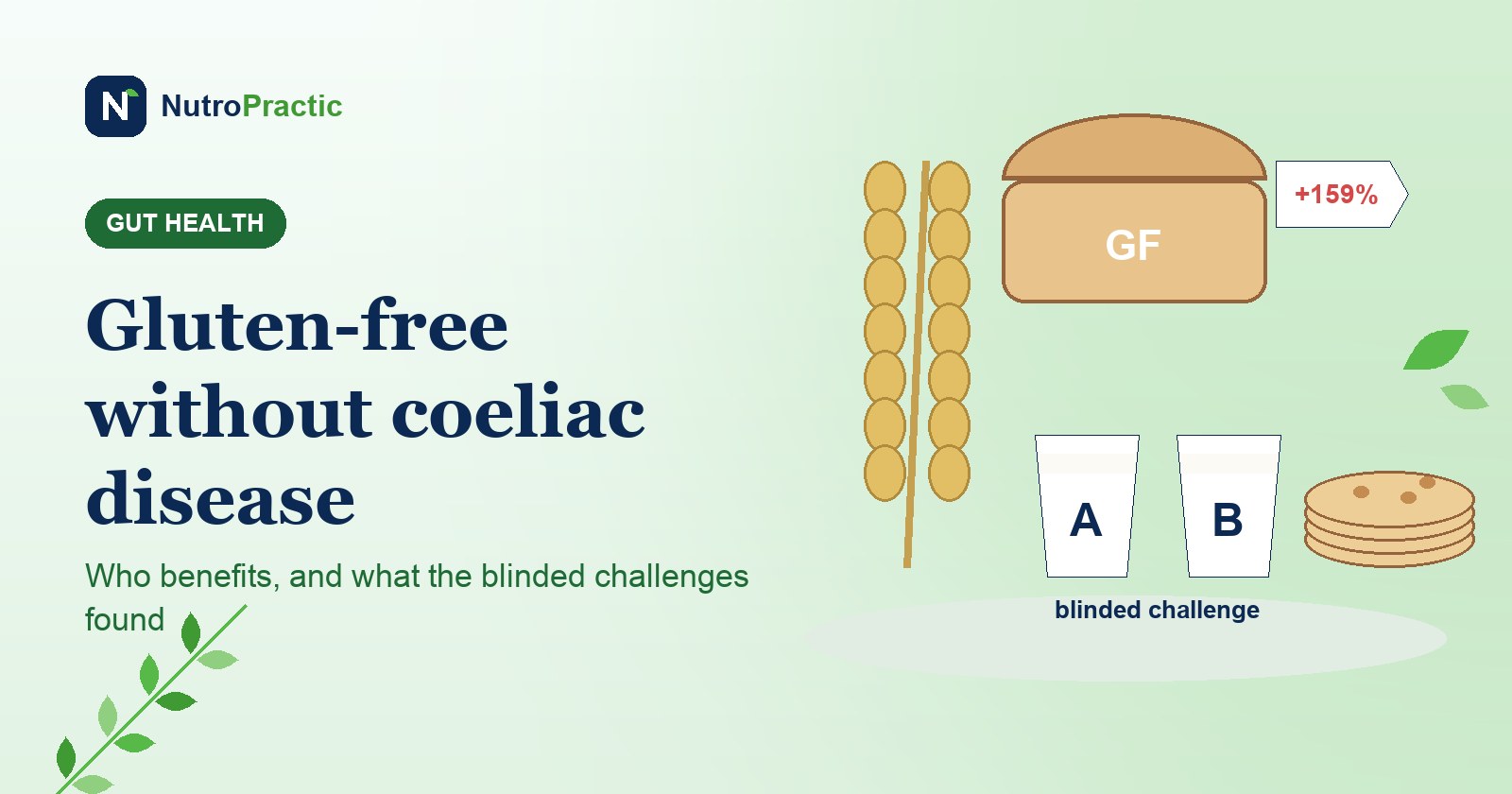
Gluten-free without coeliac disease: who actually benefits, and what the blinded gluten challenges found
In blinded trials only 16% of people who said gluten made them ill reacted to gluten rather than placebo, and in Oslo fructans caused more bloating than gluten. Who really needs to avoid it, how to get tested before you stop, how much gluten is in a slice of bread or a roti, and what gluten-free food costs (159% more in the UK) and lacks.
1 Nov 2026

Gut health
Lactose intolerance: how much milk most people can actually tolerate, and which dairy is easiest
Most adults who don't digest lactose well still handle about 12 g at once, roughly a 250 ml glass of milk, in blinded trials. What the 12 g studies found, a lactose table for milk, yoghurt, cheese, chai and dahi, how lactase tablets and A2 milk compare, why the famous 68% figure was retracted, and how to keep calcium up if you cut back.
25 Oct 2026
Newsfeed for your website
Want this feed on your website?
Add it to any site with one copy-and-paste snippet. No sign-up, and it updates itself every hour.
Start with a virtual consultation
Tell Dr. Triveni what you want to change. You will leave with a clear next step, whether you are in Toronto, London, New York or Chennai.