Gut health & obesity · November 14, 2026
Probiotic supplements did not enhance appetite control or fat loss during 12 weeks of calorie restriction
In a randomized, double-blind trial of adult men with obesity, a 30% calorie-restricted diet improved appetite hormones and eating behaviors, but adding daily multistrain probiotics yielded no extra metabolic benefits.
The gut microbiota is increasingly recognized as a key mediator in human energy balance, communicating bidirectionally with the central nervous system via microbial metabolites, peptide release, and vagal nerve signaling. Commercial probiotic formulations are frequently marketed with promises of suppressing appetite, blunting cravings, and accelerating dietary weight loss.
To rigorously test whether probiotic supplementation enhances the physiological and psychological response to dietary restriction, Brazilian researchers led a 12-week randomized, parallel, double-blind, placebo-controlled clinical trial published in Clinical Nutrition ESPEN. The trial enrolled adult men living with obesity.
All participants were placed on an individualized 30% continuous energy restriction (CER) protocol designed by clinical dietitians. Participants were simultaneously randomized to receive either a daily multi-strain probiotic supplement or a matched placebo for 12 weeks. Researchers tracked body composition, plasma levels of appetite hormones (leptin and ghrelin), and validated psychometric scores measuring emotional eating, uncontrolled eating, and cognitive restraint.
Over the 12 weeks, continuous energy restriction produced significant and expected clinical benefits across both arms: participants experienced marked fat mass reductions, significant drops in circulating leptin, compensatory rises in ghrelin, and notable decreases in binge and emotional eating behaviors. However, there were no statistically significant differences between the probiotic and placebo groups on any metabolic, hormonal, or behavioral metric, proving that probiotic pills do not augment the homeostatic appetite benefits of caloric restriction alone.
Outcomes of the 12-week continuous energy restriction and probiotic trial in men with obesity
12 weeks
Duration of double-blind, placebo-controlled intervention
-30%
Continuous dietary energy restriction prescribed across all participants
Leptin & Ghrelin
Key homeostatic appetite hormones measured pre- and post-intervention
No extra benefit
Probiotic vs placebo interaction effect on fat loss or craving scores
Randomized clinical trial (Clinical Nutrition ESPEN Vol 75, 103444) evaluating appetite hormones and eating behavior scores.
- Leptin is secreted by adipose tissue to signal satiety, and circulating levels fall proportionally as fat mass is lost.
- Ghrelin is produced by the stomach to stimulate hunger, often rising during sustained caloric deficits.
- The hedonic system governs eating for pleasure and reward, mediated heavily by dopamine pathways in the brain.
- Dietary fiber from whole foods generally exerts stronger and more consistent satiety effects than encapsulated probiotic bacteria.
- Effect of continuous energy restriction combined with probiotic supplementation on parameters related to homeostatic and hedonic systems of food intake in adult men living with obesityClinical Nutrition ESPEN / PubMed · Double-blind randomized controlled trial assessing probiotics and energy restriction on appetite regulation.
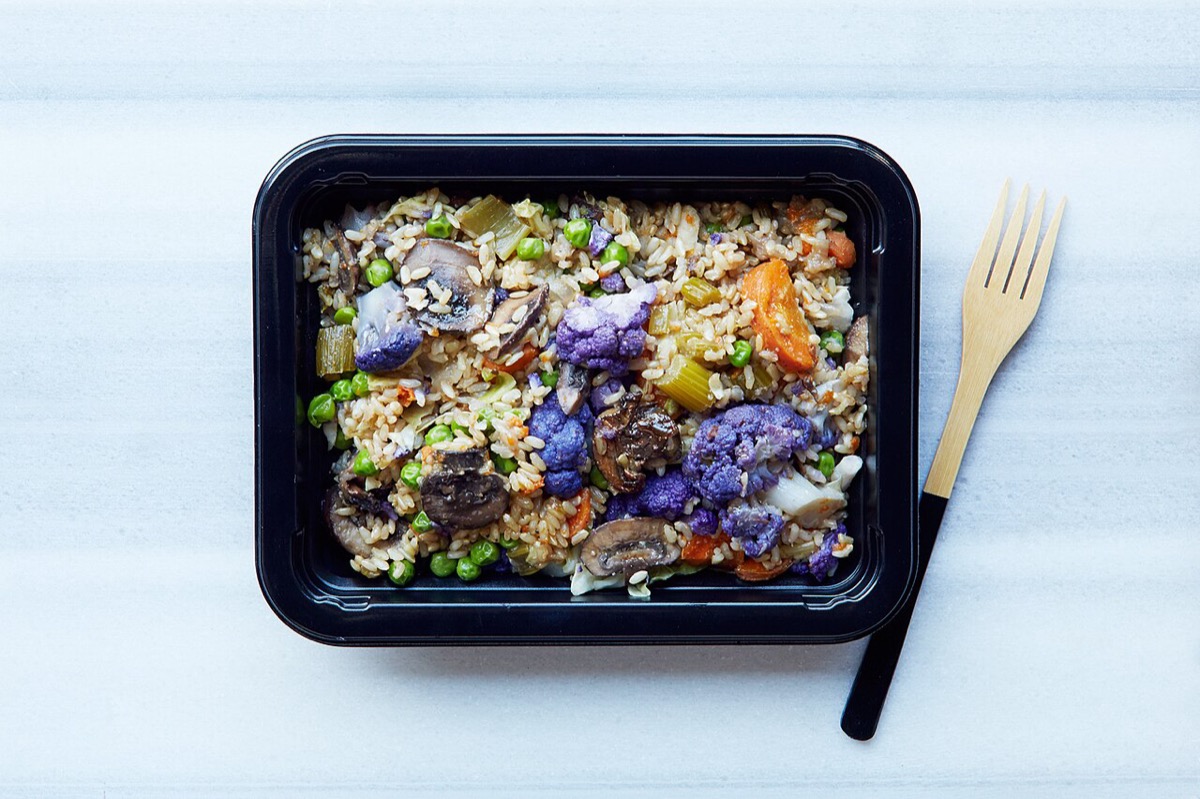
- Meal prep food containerWikimedia Commons · Photo by Ella Olsson, CC BY 2.0. Portion-controlled meal illustration.
General information, not medical advice. Dietary weight management strategies should be tailored to individual clinical requirements with the guidance of a registered dietitian or physician.
Analysis by NutroPractic from the sources listed. Written for general readers; it does not replace advice from your own doctor.
From our articles
Our guides on this subject
Plain-language guides on nutrition and wellness, backed by research.

Gut health
Probiotic capsules: which ones have trial evidence, what they can do, and when to skip them
Children on antibiotics: 8% got diarrhoea with a probiotic, 19% without. Older hospital patients: 10.8% with, 10.4% without. Which capsules have evidence, what three guidelines say about IBS, what a course costs per case prevented, and who shouldn't take them.
2 Nov 2026
Gut health
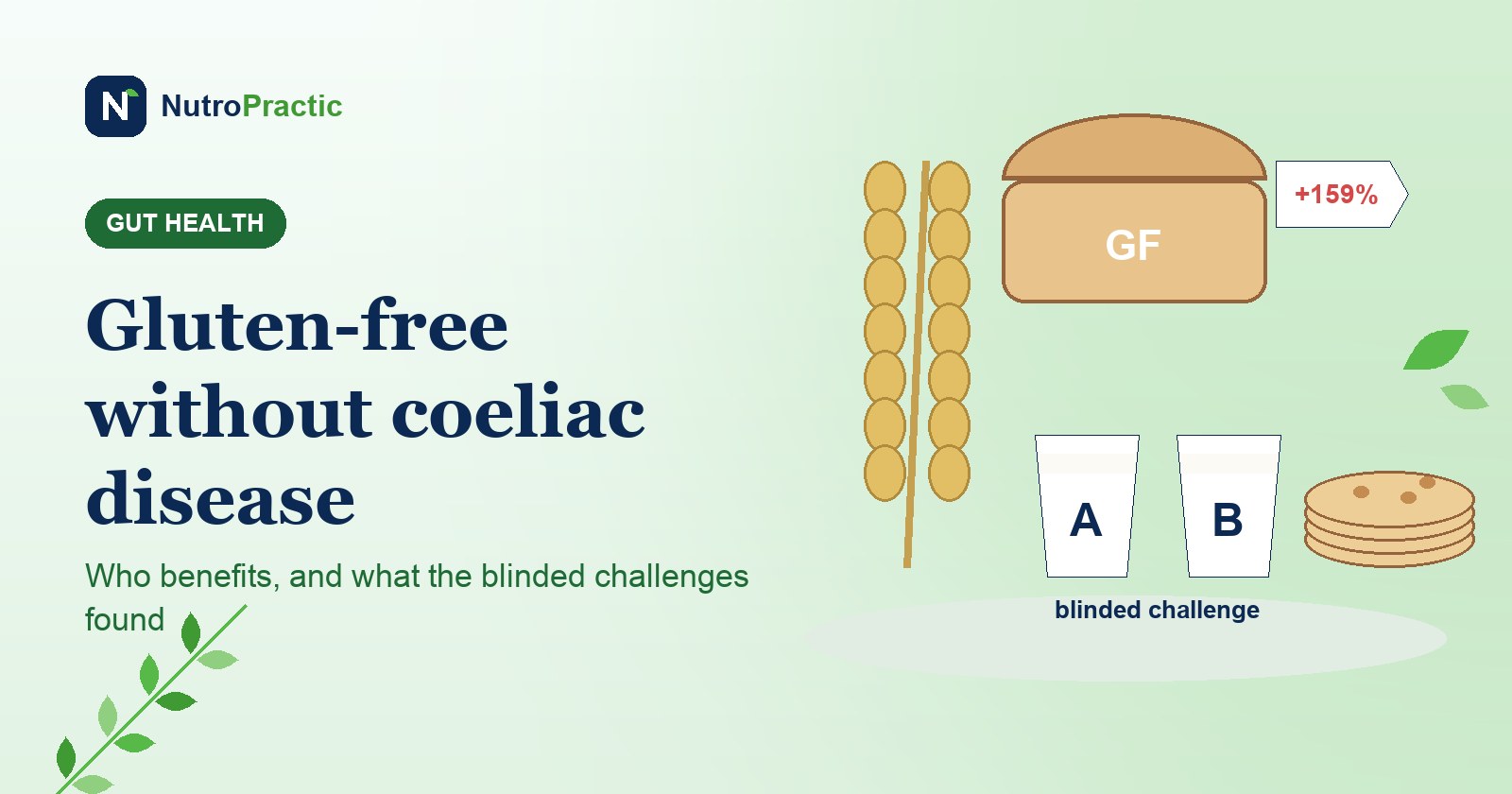
Gluten-free without coeliac disease: who actually benefits, and what the blinded gluten challenges found
In blinded trials only 16% of people who said gluten made them ill reacted to gluten rather than placebo, and in Oslo fructans caused more bloating than gluten. Who really needs to avoid it, how to get tested before you stop, how much gluten is in a slice of bread or a roti, and what gluten-free food costs (159% more in the UK) and lacks.
1 Nov 2026
Gut health
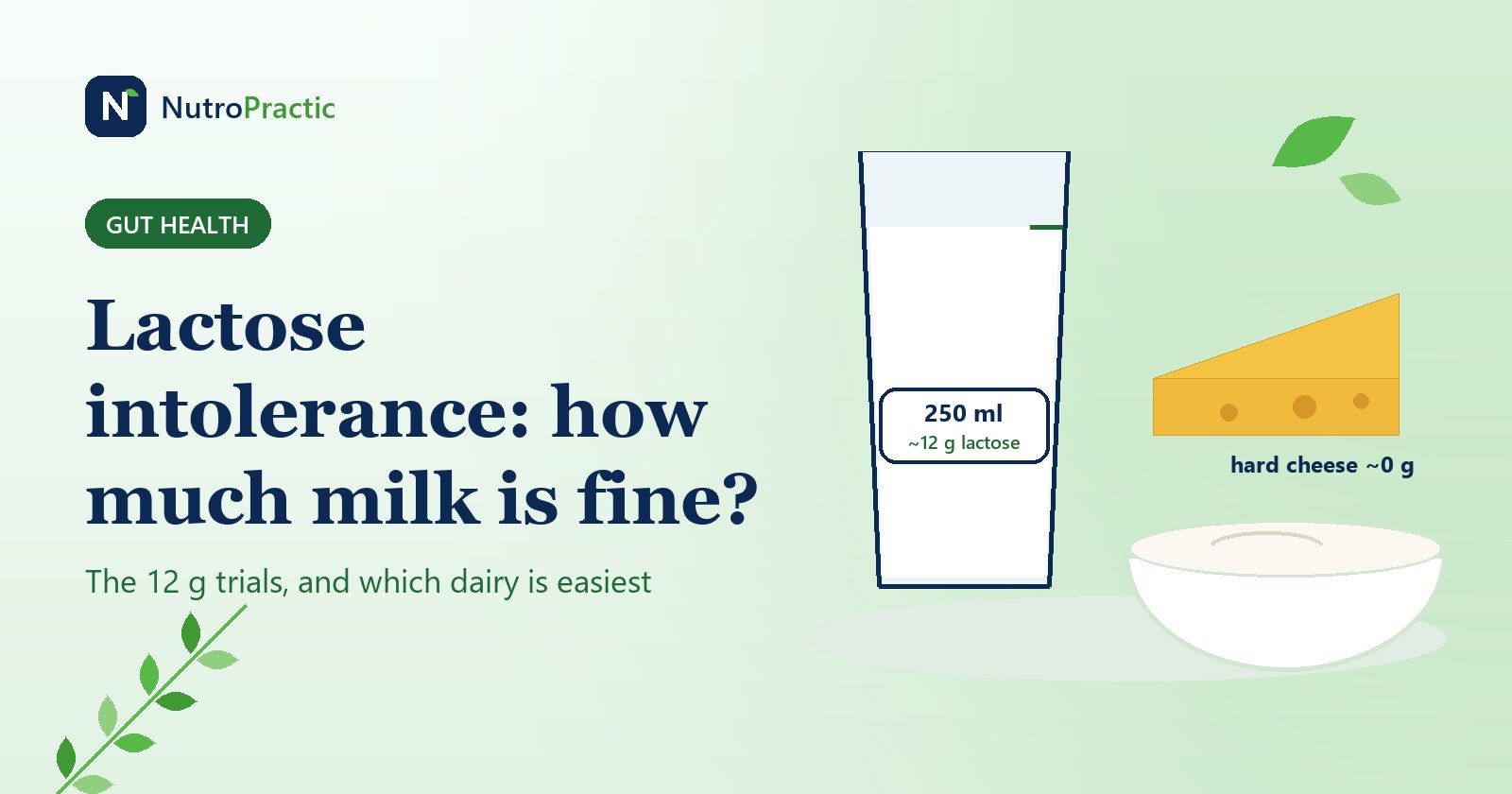
Lactose intolerance: how much milk most people can actually tolerate, and which dairy is easiest
Most adults who don't digest lactose well still handle about 12 g at once, roughly a 250 ml glass of milk, in blinded trials. What the 12 g studies found, a lactose table for milk, yoghurt, cheese, chai and dahi, how lactase tablets and A2 milk compare, why the famous 68% figure was retracted, and how to keep calcium up if you cut back.
25 Oct 2026
Newsfeed for your website
Want this feed on your website?
Add it to any site with one copy-and-paste snippet. No sign-up, and it updates itself every hour.
Start with a virtual consultation
Tell Dr. Triveni what you want to change. You will leave with a clear next step, whether you are in Toronto, London, New York or Chennai.