Gut microbiome & metabolic health · November 27, 2026
Probiotic supplementation reduces waist circumference in type 2 diabetes: meta-analysis shows central adiposity benefit without overall weight change
A systematic review and meta-analysis of 22 randomized controlled trials in adults with type 2 diabetes found that probiotic interventions lasting at least 8 weeks significantly decreased waist circumference, even though overall body weight and BMI were unchanged.
Type 2 diabetes mellitus is commonly linked to visceral fat accumulation and elevated cardiometabolic risk. While probiotic supplements have been widely investigated for glycemic management, their influence on body composition has yielded contradictory findings. To clarify their specific anthropometric impacts, researchers conducted a systematic review and meta-analysis of 22 randomized controlled trials following PRISMA guidelines and registered on PROSPERO (CRD42023480243).
Across the 22 clinical trials, probiotic supplementation did not generate a statistically significant overall reduction in total body weight or body mass index (BMI). However, when trials were stratified by treatment duration, interventions lasting at least 8 weeks produced a statistically significant reduction in waist circumference (95% CI: -3.80 to -0.11 cm). According to the GRADE assessment, the certainty of evidence supporting this central adiposity reduction was judged to be moderate.
Beyond waist measurements, metabolic biomarkers showed parallel improvements. Among trials reporting waist reductions, glycated hemoglobin (HbA1c) dropped by an average of 0.64% (95% CI: -0.81% to -0.46%). Additionally, in the subset of studies observing BMI reductions, participants experienced an accompanying mean reduction in fasting blood glucose of 12.14 mg/dL (95% CI: -17.74 to -6.54 mg/dL).
The authors emphasize that probiotic benefits appear targeted toward abdominal visceral fat rather than generalised weight loss. Because waist circumference directly reflects central adiposity and portal visceral adipose tissue, future clinical trials should routinely monitor waist measurements alongside standard scale weight to avoid overlooking clinically relevant metabolic changes.
Meta-analysis results of probiotic trials in adults with type 2 diabetes
22
Randomized trials analyzed
≥8 wks
Duration needed for waist reduction
-0.64%
HbA1c drop with waist reduction
-12.14 mg/dL
Fasting glucose reduction
Evidence certainty for waist circumference reduction was rated moderate under GRADE; overall body weight and BMI changes across all 22 trials were not statistically significant.
- Waist circumference is considered a more sensitive clinical marker of visceral fat and cardiovascular risk than total body mass index in people with type 2 diabetes.
- Probiotics may modulate gut microbiota composition and short-chain fatty acid production, which can influence gut barrier integrity and peripheral insulin sensitivity.
- Short-duration trials under 8 weeks frequently showed no noticeable anthropometric shifts, highlighting the necessity of sustained intervention.
- Probiotic Supplementation Reduces Waist Circumference in Adults With Type 2 Diabetes Mellitus: A Systematic Review and Meta-AnalysisJournal of Human Nutrition and Dietetics · Systematic review and meta-analysis of 22 RCTs. Published 25 November 2026.
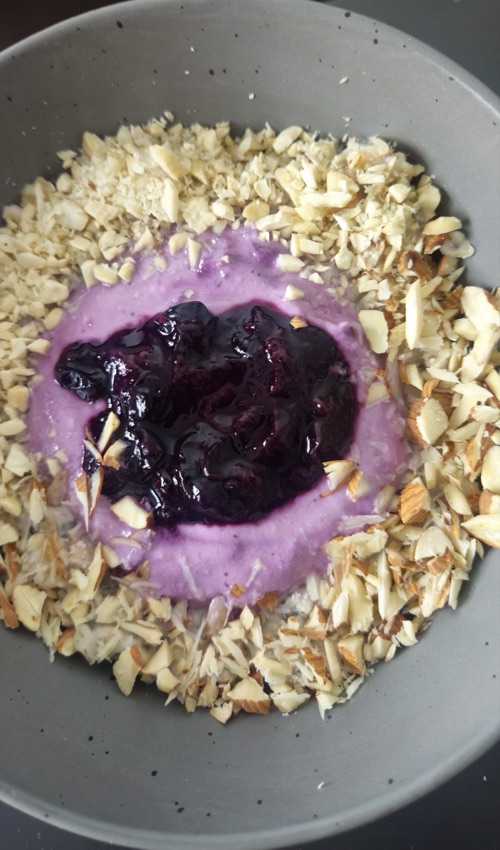
- File:Blueberry Almond Yogurt Bowl.jpgWikimedia Commons · Photo via Wikimedia Commons, CC BY-SA 4.0.
Educational summary of nutrition research, not personal medical advice. Speak to your doctor or dietitian before changing your diet or supplements, especially if you are pregnant, take medicines or have a medical condition.
Analysis by NutroPractic from the sources listed. Written for general readers; it does not replace advice from your own doctor.
From our articles
Our guides on this subject
Plain-language guides on nutrition and wellness, backed by research.
Gut health
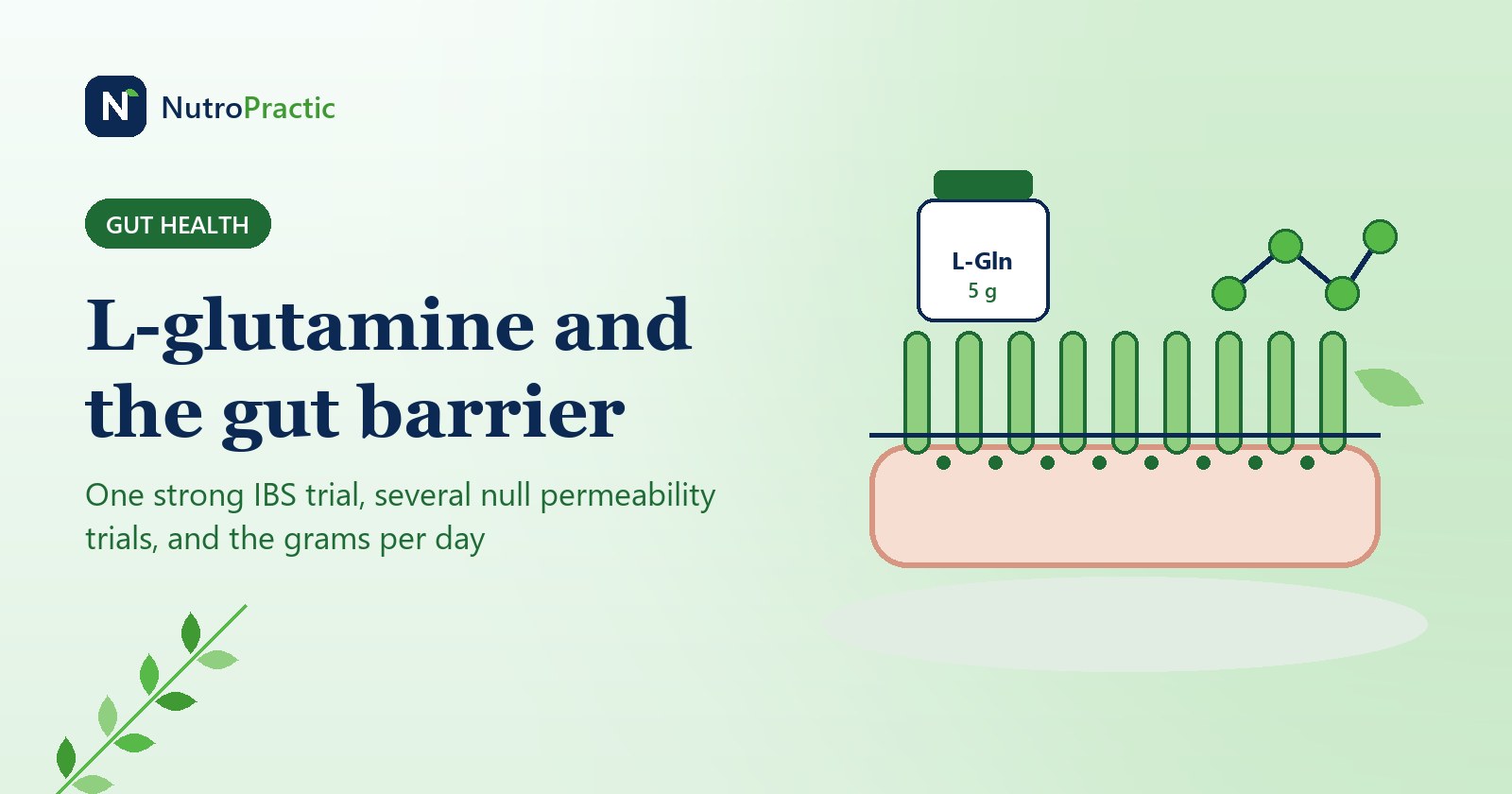
L-glutamine for gut barrier integrity: what the post-infectious IBS and permeability trials measured, and the dose in grams
At 15 g a day, glutamine took 79.6% of post-infection IBS-D patients to a clinical response against 5.8% on placebo. Trials that measured gut permeability directly in Crohn's, pancreatitis and heat stress found no clear benefit, and a 10-trial meta-analysis found none overall. The doses, the 14 g a day safe level, and who might try it.
27 Nov 2026
Supplements and vitamins
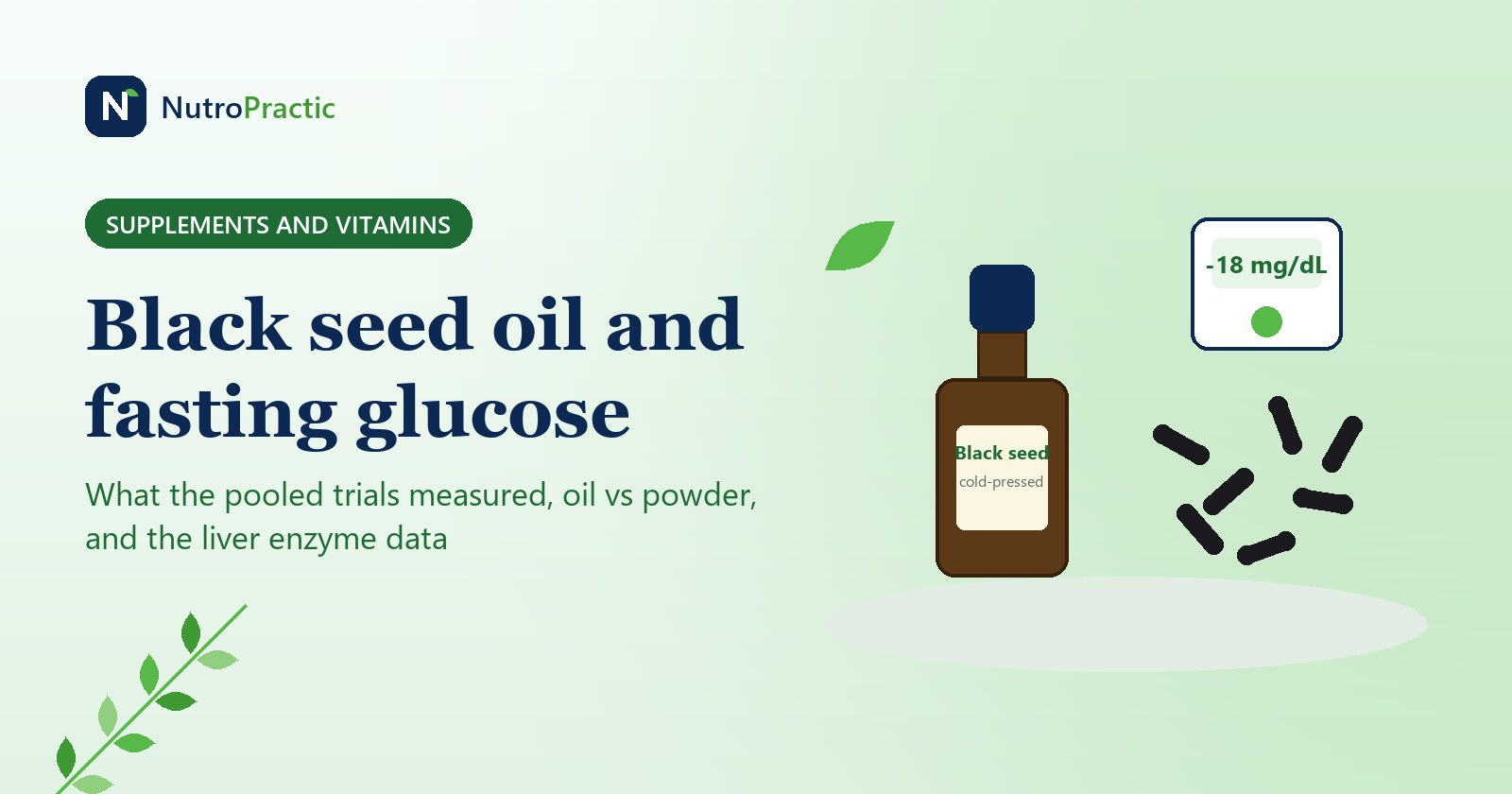
Black seed oil (Nigella sativa) and fasting glucose: what the pooled trials measured, oil vs powder doses, and the liver enzyme data
Meta-analyses of randomised trials put black seed's effect at roughly 10 to 20 mg/dL lower fasting glucose and about half a point of HbA1c, mostly as an add-on to diabetes tablets. The 1 to 3 g a day doses tested, why two bottles can differ 263-fold in thymoquinone, and what the liver and kidney markers showed.
27 Nov 2026
Women's wellness and nutrition
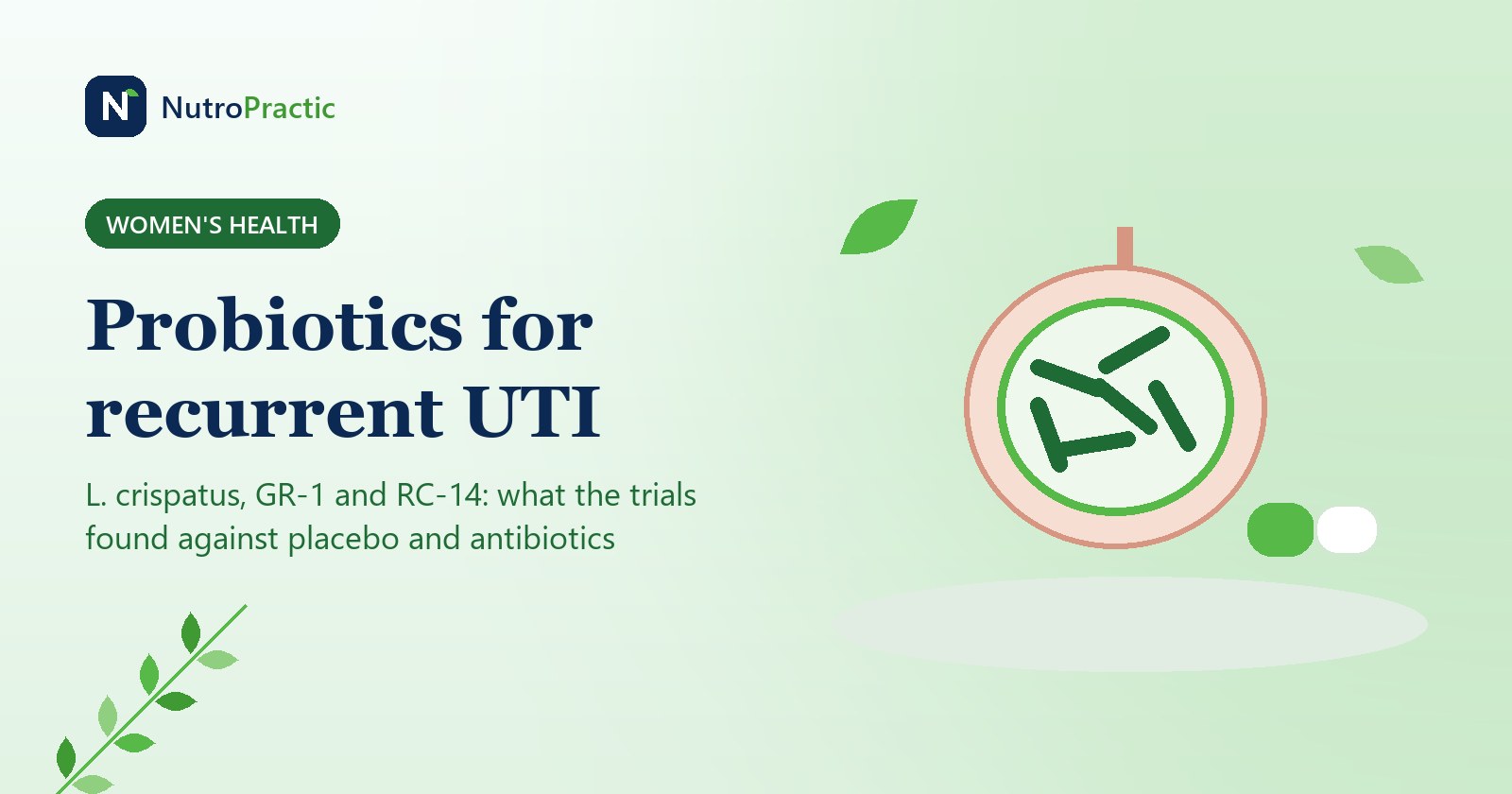
Probiotics for recurrent UTI: what the Lactobacillus trials found strain by strain, and how they compare with antibiotics
Recurrence was 15% vs 27% with a vaginal L. crispatus probiotic (a gap that could be chance), 31.8% vs 70.4% for vaginal plus oral lactobacilli in a 174-woman trial, and oral GR-1 and RC-14 failed to show noninferiority to antibiotics over 12 months. Strains, doses, worked numbers and the resistance trade-off.
26 Nov 2026
Newsfeed for your website
Want this feed on your website?
Add it to any site with one copy-and-paste snippet. No sign-up, and it updates itself every hour.
Start with a virtual consultation
Tell Dr. Triveni what you want to change. You will leave with a clear next step, whether you are in Toronto, London, New York or Chennai.