Cardiovascular health & precision nutrition · November 27, 2026
Precision nutrition and heart disease: a review finds people respond differently to the same meal, but no trial yet shows tailored advice prevents heart events
A narrative review in Nutrients says individual differences in glucose, triglyceride and inflammatory responses to identical meals are well shown, but predicting and using them has not been tested against cardiovascular events. Guideline-endorsed individualisation so far rests on cheap measurements such as blood pressure.
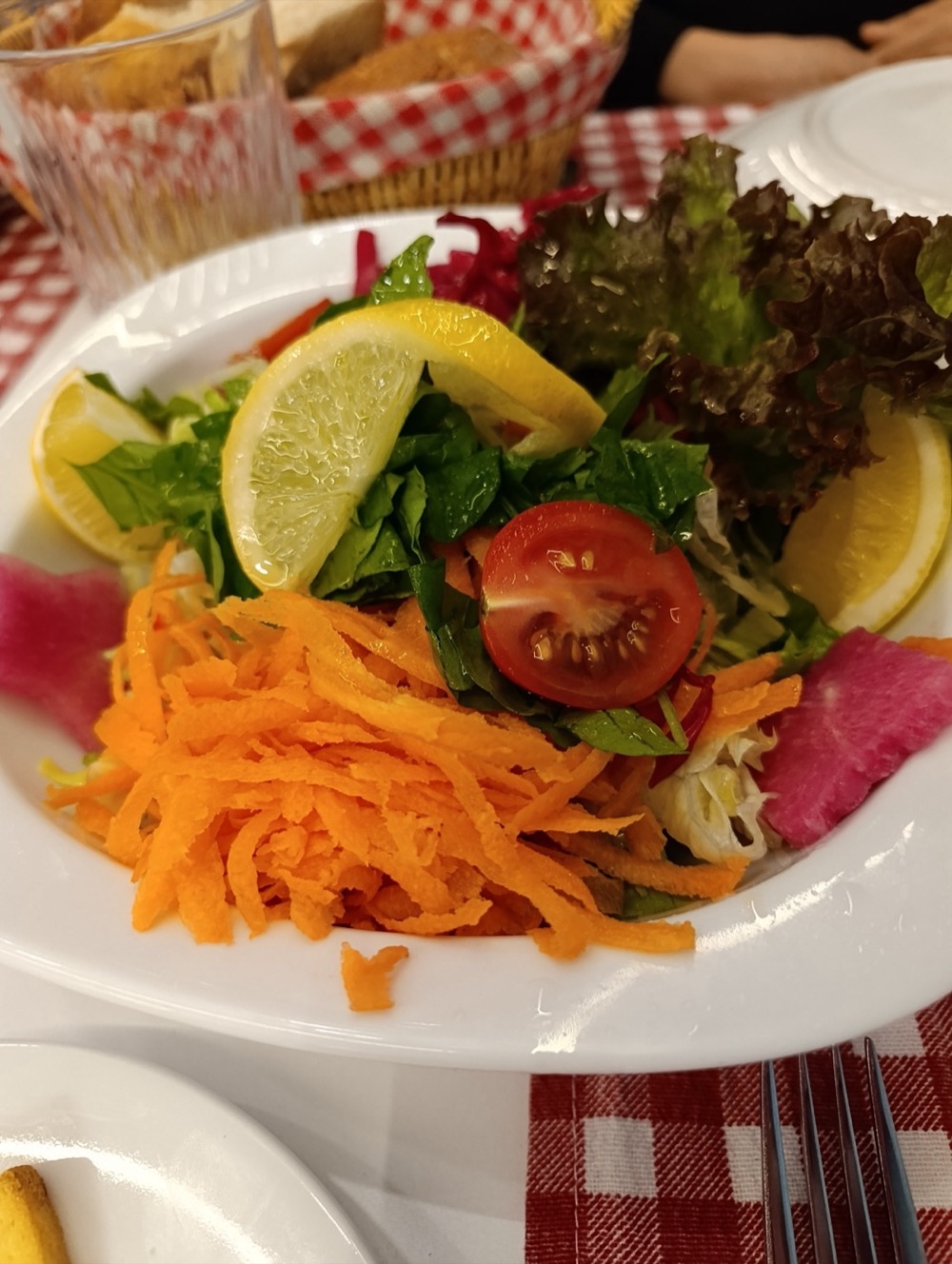
Randomised trials such as PREDIMED and DASH showed the benefit of conventional dietary patterns. Yet the same meal can raise one person's blood glucose, triglycerides and inflammation far more than another's. Precision nutrition tries to measure and act on that difference.
A narrative review in Nutrients, led by Giulia S. Beretta, asked whether precision nutrition can improve cardiovascular prevention. Its answer is an asymmetry: the variability is well demonstrated, but the ability to predict and use it is not.
Microbiome profiling, metabolomics and machine learning improve prediction of post-meal responses, but most models lack external validation and rely on short-term surrogate outcomes. The authors note that no randomised trial has tested a precision nutrition strategy against cardiovascular events. In Food4Me, genotype-guided advice gave no benefit beyond advice based on phenotype, and in DIETFITS, prespecified genotype and insulin-secretion predictors failed prospectively.
The individualised advice that has reached guidelines stratifies on inexpensive things cardiologists already measure: conditional potassium-enriched salt substitution, and protein, fibre and fluid targets during GLP-1 receptor agonist therapy. The authors conclude precision nutrition should complement, not replace, established dietary patterns, and set out the trial designs, validation standards and equity points needed before omics-based approaches enter practice.
Precision nutrition and cardiovascular prevention review
PREDIMED & DASH
randomised trials that established the benefit of conventional dietary patterns
Food4Me
genotype-guided advice gave no benefit beyond phenotype-based advice
DIETFITS
prespecified genotype and insulin-secretion predictors failed prospectively
No trial
no randomised trial has tested a precision nutrition strategy against cardiovascular events, per the review
Critical narrative review published in Nutrients, November 2026.
- Most prediction models for post-meal responses lack external validation, according to the review.
- The individualised advice already in guidelines uses inexpensive measures such as blood pressure, not omics tests.
- Precision Nutrition and Cardiovascular Disease: A Narrative Review on Current Evidence and Clinical ImplicationsNutrients · Review by Giulia S. Beretta et al. Published November 2026.
- File:Turkish Seasonal Salad 20.11.2026.jpgWikimedia Commons · Photo by Wiki leylek, CC BY 4.0.
Educational summary of nutrition research, not personal medical advice. Speak to your doctor or dietitian before changing your diet or supplements, especially if you are pregnant, take medicines or have a medical condition.
Analysis by NutroPractic from the sources listed. Written for general readers; it does not replace advice from your own doctor.
From our articles
Our guides on this subject
Plain-language guides on nutrition and wellness, backed by research.

Cardiovascular wellness
Psyllium husk: how much soluble fibre lowers LDL cholesterol and stabilizes post-meal glucose in clinical trials
Viscous soluble fibre forms a thick gel matrix in the small intestine that binds bile acids and blunts post-meal glucose spikes. Across dozens of randomized controlled trials, 7 to 10.2 grams of psyllium daily lowers LDL cholesterol by 6% to 12% without stripping HDL, while reducing postprandial glucose surges by 15% to 25% in metabolic syndrome and type 2 diabetes. Discover the bile acid sequestration mechanism, trial meta-analyses, exact timing before meals, water ratios, and titration protocols to avoid gas and cramping.
13 Nov 2026
Heart health
Eggs and cholesterol: what changed in the guidelines, and who should still count them
The US dropped its 300 mg cholesterol limit in 2015, then a 2019 study linked every extra half egg a day with more heart disease. Here is how much an egg really moves LDL, what the large studies found, why people with type 2 diabetes or high LDL may want a ceiling, and why what you eat with the egg matters more than the egg.
18 Oct 2026
Heart health
Nuts and the heart: how many, which kind, and the weight worry
A 28 g handful of nuts a day went with 29% less coronary heart disease in pooled cohorts, and lowers LDL by about 5 mg/dL in trials. And the calories? USDA studies found the body keeps only 129 of an almond serving's 170 label calories. How much to eat, which nuts, Brazil nut limits, salt, and why nut eaters don't gain weight.
25 Oct 2026
Newsfeed for your website
Want this feed on your website?
Add it to any site with one copy-and-paste snippet. No sign-up, and it updates itself every hour.
Start with a virtual consultation
Tell Dr. Triveni what you want to change. You will leave with a clear next step, whether you are in Toronto, London, New York or Chennai.