Healthy ageing & physical function · November 21, 2026
Combining dietary polyphenols with exercise training produced additive gains in older adults
A systematic review and meta-analysis of randomized controlled trials demonstrated that adding polyphenol supplementation to structured exercise training significantly enhanced physical performance and reduced circulating inflammatory markers beyond exercise alone in older populations.
Preserving muscular strength, mobility, and functional independence is the cornerstone of healthy aging. However, age-related skeletal muscle wasting (sarcopenia) and persistent low-grade systemic inflammation ('inflammaging') frequently impair physical performance in older adults. While structured resistance and aerobic exercise are the most effective non-pharmacological therapies, age-associated anabolic resistance and chronic mitochondrial oxidative stress can attenuate training adaptations.
Dietary polyphenols—bioactive plant phytochemicals abundant in green tea, berries, grapes, and cocoa—exhibit potent antioxidant, mitochondrial biogenesis-stimulating, and anti-inflammatory properties. Exercise scientists have investigated whether combining polyphenol supplementation with structured exercise training could synergistically amplify physical adaptations beyond exercise alone in older adults.
To synthesize the clinical evidence, researchers performed a systematic review and meta-analysis of randomized controlled trials comparing combined polyphenol supplementation plus exercise training against exercise training with placebo or exercise alone in older adult populations across international cohorts.
The pooled meta-analysis revealed that older adults receiving combined polyphenol and exercise regimens achieved statistically superior improvements in physical performance assessments—including gait speed, chair-rise time, and functional muscular endurance—alongside significant reductions in circulating systemic inflammatory biomarkers (such as C-reactive protein and interleukin-6). The investigators concluded that polyphenol supplementation acts as an effective nutritional adjuvant to exercise, helping older adults optimize functional capacity and combat age-related musculoskeletal decline.
Physical performance and inflammatory outcomes of polyphenol-exercise co-intervention
Meta-analysis
Pooled systematic analysis of randomized controlled trials in older adults
Additive gains
Statistically superior improvements in physical function beyond exercise alone
CRP & IL-6
Significant reductions in circulating systemic inflammatory biomarkers
Functional tests
Documented improvements in chair-rise time, gait speed, and muscular endurance
Systematic review and meta-analysis evaluating polyphenol supplementation combined with structured exercise in older populations.
- Sarcopenia encompasses both an involuntary loss of muscle mass and a qualitative decrease in muscle fiber contractility.
- Polyphenols upregulate the Nrf2 signaling pathway, inducing endogenous antioxidant enzymes like superoxide dismutase in muscle tissue.
- Inflammaging refers to chronic, sterile low-grade systemic inflammation that accelerates muscle catabolism in older individuals.
- Timed chair-stand and gait-speed tests serve as validated clinical predictors of fall risk and functional independence among seniors.
- Effects of Polyphenol Supplementation Combined with Exercise Training Beyond Exercise Alone on Body Composition, Physical Performance, and Inflammatory Biomarkers in Older Adults: A Systematic Review and Meta-AnalysisNutrients / MDPI · Systematic review and meta-analysis of randomized controlled trials. Published 19 November 2026.
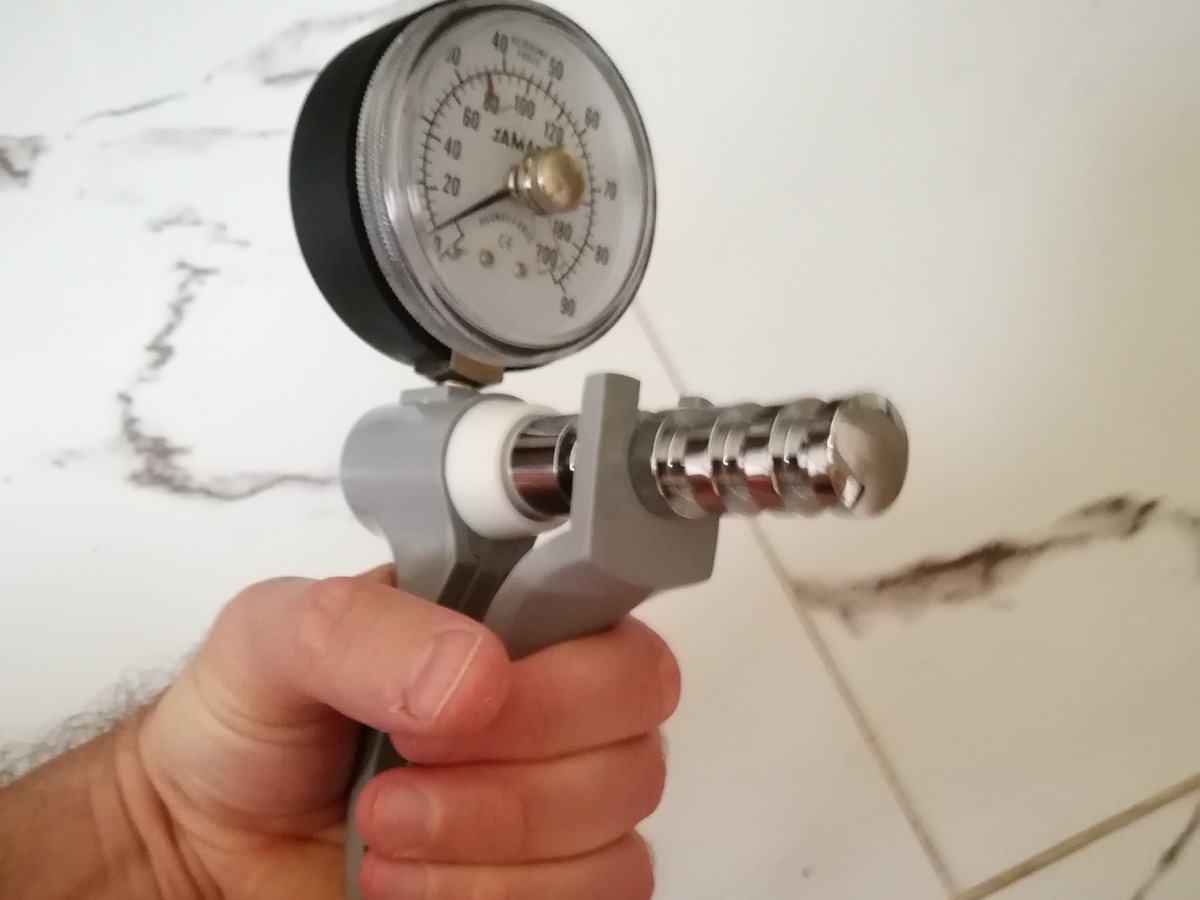
- Hand dynamometerWikimedia Commons · Photo by Ashashyou, CC0 public domain dedication.
Educational summary of geriatric exercise physiology and nutrition research. Older adults initiating new exercise or supplementation protocols should consult their physician or physical therapist.
Analysis by NutroPractic from the sources listed. Written for general readers; it does not replace advice from your own doctor.
From our articles
Our guides on this subject
Plain-language guides on nutrition and wellness, backed by research.
Healthy ageing
Creatine beyond the gym: what it does for older adults and women, and what it doesn't
Across 22 trials, adults in their late fifties to seventies who took creatine while doing resistance training gained about 1.4 kg more lean mass than those who trained without it. Two two-year trials found it did nothing for bone density after menopause. Where the evidence is solid, where it's early (memory, short nights), how much to take, and who should leave it alone.
10 Oct 2026
Women's health
Eating through menopause: what changes for your bones, muscle and heart, and what to put on the plate
Around the final period, bone density at the spine drops by about 2% a year and LDL cholesterol jumps within a year or two. Hot flushes get the attention, but these quieter changes are where food and strength training do the most. Targets for protein, calcium and vitamin D, an honest look at soy, and a week you can start on Monday.
8 Oct 2026
Medicines and nutrition
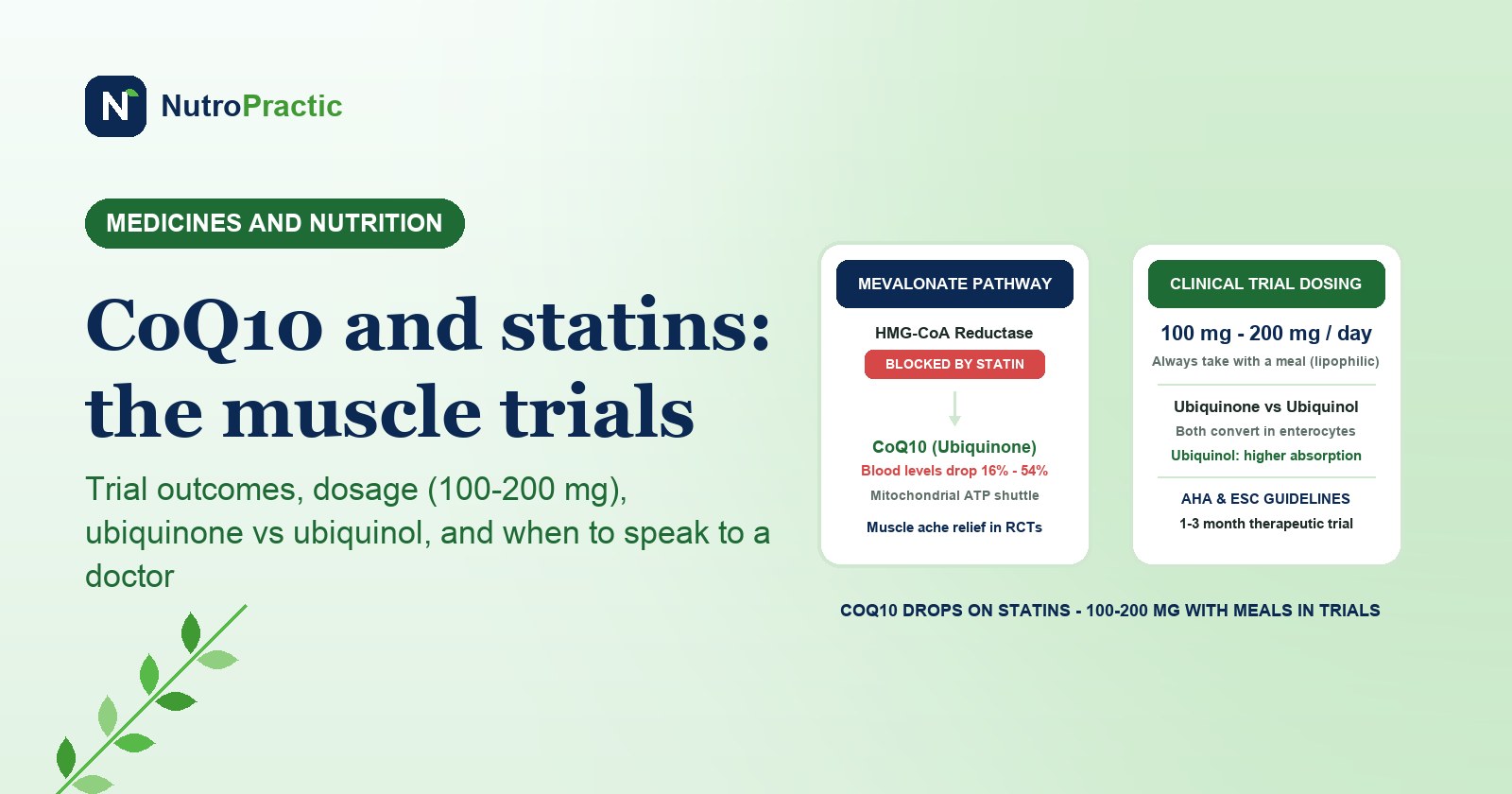
CoQ10 and statins: what the muscle symptom trials found, and who might benefit
Statin-associated muscle symptoms lead up to 30% of patients to discontinue life-saving cholesterol therapy. While statins deplete circulating CoQ10 by 16% to 54%, randomized clinical trials show mixed results for myalgia relief. Explore the trials, ubiquinone vs ubiquinol bioavailability, recommended doses, and clinical guideline recommendations.
14 Nov 2026
Newsfeed for your website
Want this feed on your website?
Add it to any site with one copy-and-paste snippet. No sign-up, and it updates itself every hour.
Start with a virtual consultation
Tell Dr. Triveni what you want to change. You will leave with a clear next step, whether you are in Toronto, London, New York or Chennai.