Functional lipids & cardiometabolic health · November 21, 2026
Plant sterol supplementation shows no significant vascular or anti-inflammatory benefit in overweight adults despite absorption in randomized trial
A randomized, double-blind, placebo-controlled crossover trial evaluating 2 grams daily of plant sterols in adults with overweight or obesity and mild hypercholesterolemia confirmed phytosterol absorption but failed to detect statistically significant improvements in circulating LDL-cholesterol, endothelial dysfunction, or inflammatory biomarkers.
Plant sterols (phytosterols) are structurally similar to mammalian cholesterol and are widely incorporated into functional foods and dietary supplements for their ability to displace cholesterol from intestinal micelles, lowering dietary and biliary cholesterol absorption. In addition to primary lipid-lowering mechanisms, preclinical investigations have suggested potential secondary pleiotropic benefits, including attenuations in systemic low-grade inflammation, reduced vascular endothelial activation, and diminished oxidative stress.
To rigorously test whether daily plant sterol supplementation imparts vascular and anti-inflammatory advantages in individuals carrying elevated metabolic risk, researchers conducted a randomized, double-blind, placebo-controlled crossover clinical trial in adults classified as overweight or obese with mild hypercholesterolemia (baseline total cholesterol 200–240 mg/dL). Participants received 2 grams per day of plant sterols or an identical placebo for two consecutive 8-week intervention phases, separated by a 6-week washout period.
Compliance and systemic uptake were verified through gas chromatography analysis, which demonstrated substantial and statistically significant increases in circulating serum beta-sitosterol concentrations during the active phytosterol period compared to placebo. However, comprehensive profiling of vascular and biochemical endpoints—including high-sensitivity C-reactive protein (hs-CRP), interleukin-6, soluble intercellular adhesion molecule-1 (sICAM-1), vascular cell adhesion molecule-1 (sVCAM-1), and oxidized LDL—showed no statistically significant differences between active supplementation and placebo after false discovery rate adjustment.
Furthermore, within this specific cohort of overweight and obese participants, changes in serum low-density lipoprotein cholesterol (LDL-C) failed to achieve statistical significance relative to placebo. The study authors concluded that while 2 g/day of plant sterols effectively enters circulation, standard short-term supplementation does not reliably improve endothelial dysfunction, chronic inflammatory tone, or oxidative stress markers in adults with overweight and concurrent mild dyslipidemia.
Double-blind crossover evaluation of plant sterols (2 g/day) in overweight adults
2 g/day
Daily plant sterol dosage administered across 8-week intervention phases
23 adults
Participants completing double-blind crossover trial (BMI > 25 kg/m²)
Significant
Increase in serum beta-sitosterol confirming biological absorption
No effect
No significant change in hs-CRP, sICAM-1, or LDL-C vs placebo (p > 0.05)
Randomized, double-blind, placebo-controlled crossover trial published in Nutrients (November 2026).
- Plant sterols (such as sitosterol and campesterol) occur naturally in unrefined vegetable oils, nuts, seeds, and whole grains, though typical dietary intake is only 150–400 mg daily.
- The US Food and Drug Administration and European Food Safety Authority recognize plant sterol intakes of 1.5 to 3 grams daily for lowering LDL cholesterol in general populations.
- In individuals with insulin resistance or chronic adiposity, altered intestinal cholesterol synthesis and transport dynamics can blunt the typical lipid-lowering efficacy of dietary sterols.
- Because plant sterols compete with fat-soluble vitamins for intestinal absorption, extended high-dose intake can modestly lower circulating beta-carotene concentrations unless balanced by antioxidant-rich diets.
- Effects of Plant Sterol Supplementation on Inflammation, Endothelial Dysfunction, and Oxidative Stress in Adults with Overweight or Obesity and Mild Hypercholesterolemia: A Randomized, Double-Blind, Placebo-Controlled Crossover TrialNutrients / MDPI · Randomized, double-blind, placebo-controlled crossover clinical trial. Published 16 November 2026.
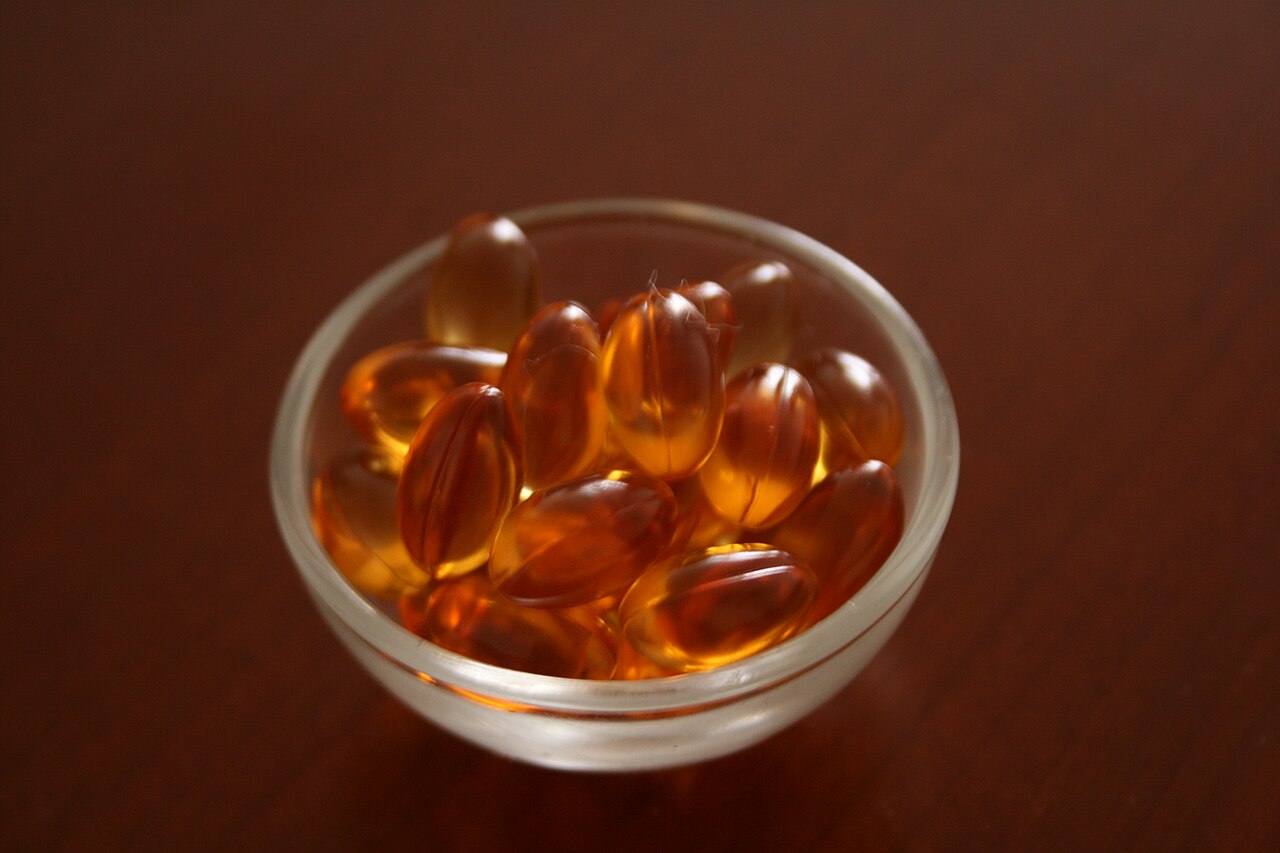
- Vitamin E supplement capsulesWikimedia Commons · Photo by Tamorlan, CC BY 3.0 license.
Educational summary of functional lipid clinical trial research. Individuals managing dyslipidemia should consult their cardiologist or physician regarding diet and medical management.
Analysis by NutroPractic from the sources listed. Written for general readers; it does not replace advice from your own doctor.
From our articles
Our guides on this subject
Plain-language guides on nutrition and wellness, backed by research.
Heart health
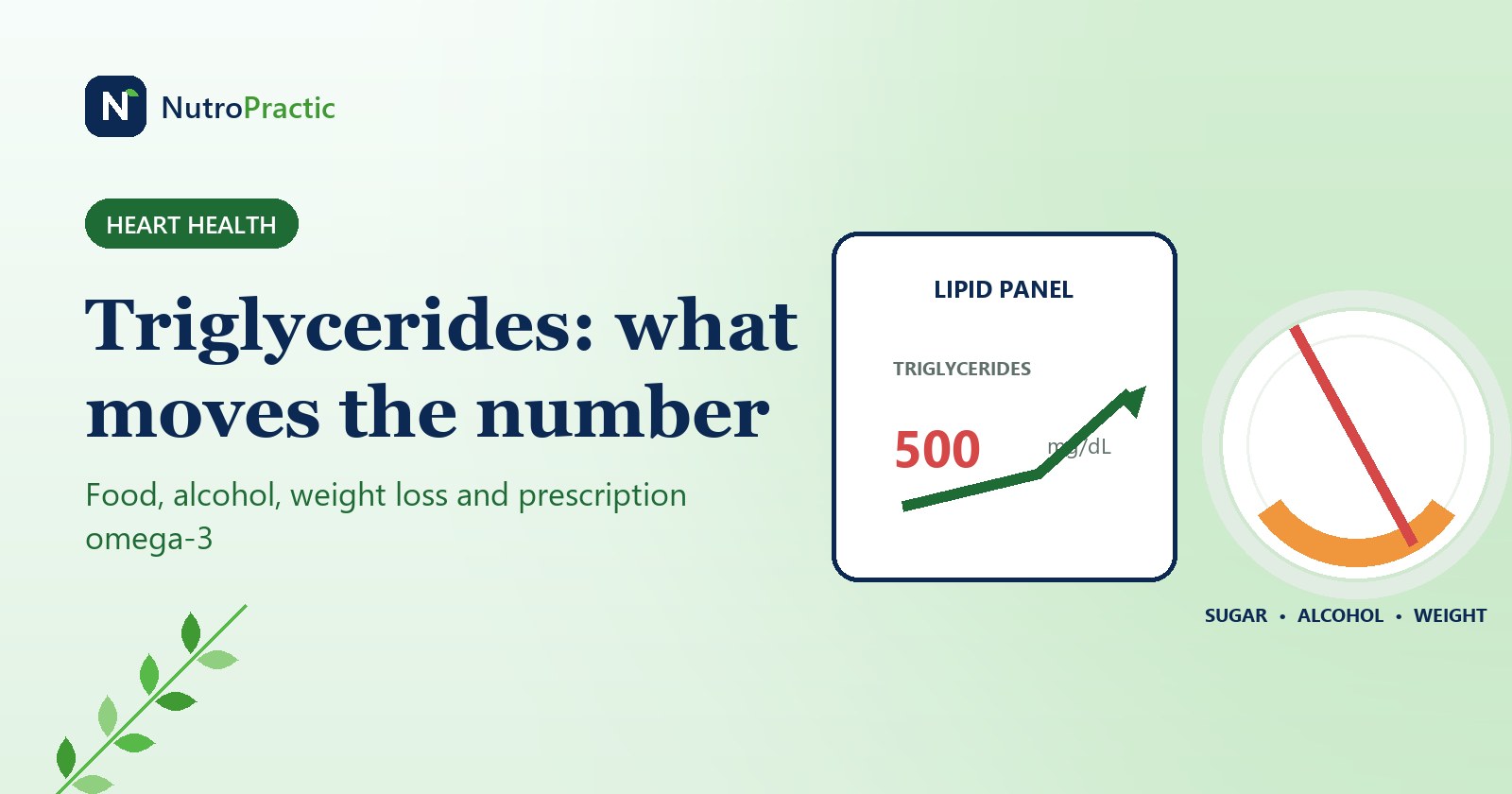
Triglycerides: what food, alcohol, weight loss and omega-3 actually change
A 5-10% weight loss often lowers triglycerides by about 20-30%, as can 4 g/day of prescription omega-3. Here is what 150, 500 and 1,000 mg/dL mean, which changes have numbers behind them, and when a result needs prompt care.
9 Nov 2026

Women's health
Inositol for PCOS: the 40:1 ratio, trial doses, and food milligrams
Why do randomized trials in polycystic ovary syndrome prioritize the 40:1 myo to D-chiro inositol ratio? Here is the science behind the ovarian epimerase paradox, clinical ovulation and insulin metrics, and why cantaloupe cannot replace 4,000 mg trial powder.
21 Nov 2026

Everyday eating
Extra virgin olive oil polyphenols: the EU health claim, smoke point myths, and cooking stability
Does extra virgin olive oil degrade when cooked? What does the EU 5 mg polyphenol health claim require, how does oleocanthal act like ibuprofen, and why does oxidative stability matter more than smoke point in domestic frying? Here is the clinical and culinary data.
21 Nov 2026
Newsfeed for your website
Want this feed on your website?
Add it to any site with one copy-and-paste snippet. No sign-up, and it updates itself every hour.
Start with a virtual consultation
Tell Dr. Triveni what you want to change. You will leave with a clear next step, whether you are in Toronto, London, New York or Chennai.