Plant-based diets & micronutrients · November 18, 2026
Swapping dairy for plant-based drinks could leave UK teenage girls short on iodine
A modelling study of 3,558 people found that replacing milk, cheese and yogurt with mostly unfortified alternatives cuts iodine intake, and fortification alone would not fully fix it.
Dairy is a major source of iodine in the UK diet. A study in The Lancet Planetary Health asked what happens to iodine and other nutrients if people replace dairy with plant-based alternatives.
Researchers used four-day food diaries from 3,558 people aged 1.5 and over in the UK National Diet and Nutrition Survey (2016-19), of whom 87% reported eating dairy. They swapped 20%, 35%, 50% and 100% of milk, cheese and yogurt, gram for gram, with plant-based products from UK supermarket sites. Only 12% of those products had added iodine.
In the current-market scenario, mean iodine intake fell 9-21% at 35% replacement and 13-28% at 50%. Among girls aged 14-18, 54% were already below the iodine average requirement; at 35% replacement that rose to 65%, and at full replacement to 80%. For women aged 19-49 it went from 32% to 42% at 35% replacement.
Mandatory fortification of the alternatives, combined with iodised bread salt, worked best but still left many teenage girls and women below the requirement. This is a model with limits: it assumes a uniform shift, equal choice of products, no biomarkers, and a US-derived iodine requirement, so it shows risk of inadequacy, not confirmed deficiency.
Iodine and dairy replacement (modelled)
3,558
People in the survey data
12%
Plant-based dairy products with added iodine
54% → 80%
Girls 14-18 below the iodine requirement, now vs full replacement
-9% to -21%
Mean iodine intake at 35% replacement
Modelling study using survey data and supermarket product data from different years; not a trial and no biomarkers. Findings indicate risk, not deficiency.
- Iodine is needed to make thyroid hormones.
- Children aged 1.5-3 could exceed the upper limit if bread were iodised, according to the model, so fortification needs care.
- Norwegian data cited in the paper put 8-18% of young children above the limit.
- The impact of replacing dairy products with plant-based dairy alternatives on iodine and other micronutrientsThe Lancet Planetary Health (Nicol, Nugent, Woodside et al.) · Primary paper, modelling study.
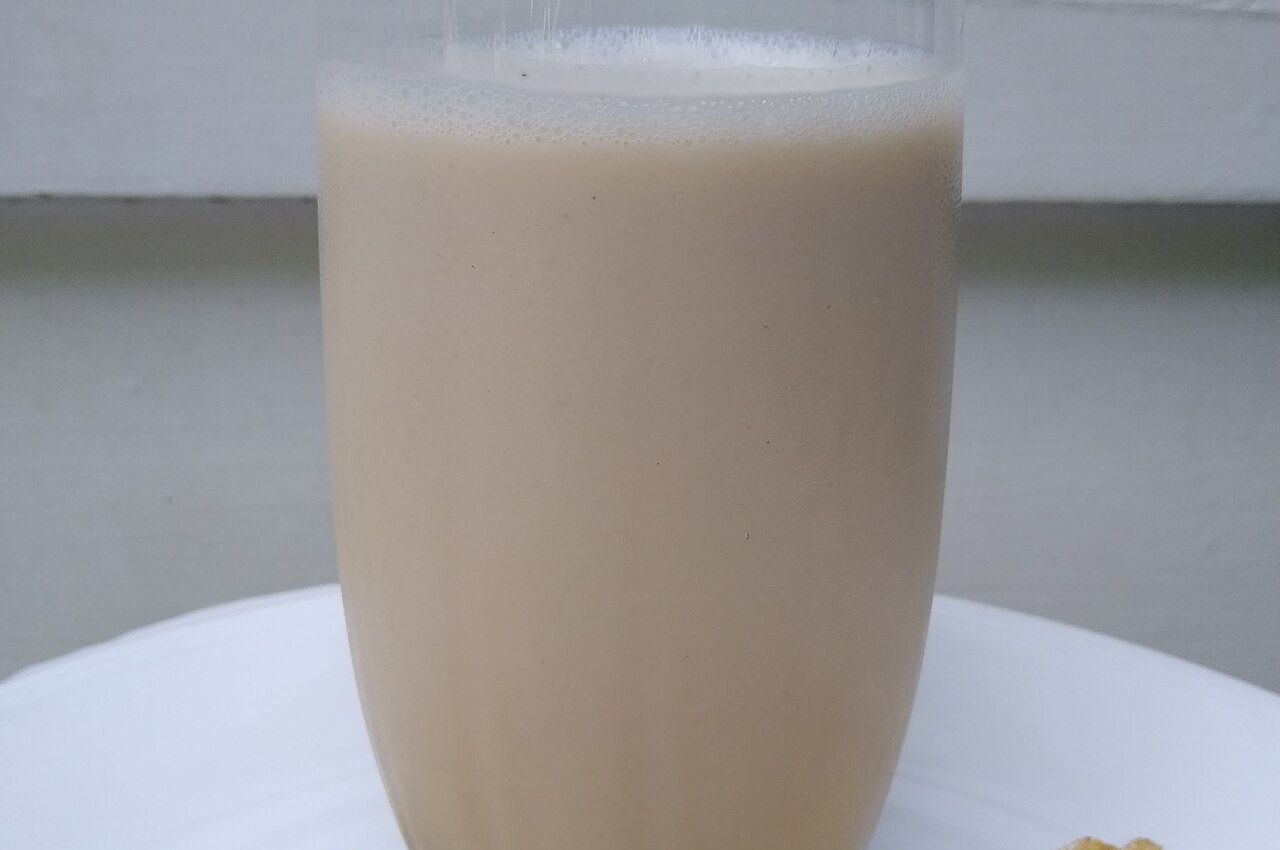
- Image pageWikimedia Commons · Mx. Granger, CC0. General illustration.
General nutrition information, not medical advice. Talk to your doctor or a registered dietitian before changing your diet, supplements or medication.
Analysis by NutroPractic from the sources listed. Written for general readers; it does not replace advice from your own doctor.
From our articles
Our guides on this subject
Plain-language guides on nutrition and wellness, backed by research.
Micronutrients
Iodine: the nutrient that plant-based milks and sea salt left out
Iodine runs the thyroid and builds a baby's brain, and in the UK, much of Europe and parts of North America women of childbearing age are now mildly short of it. The reason is often a healthy-looking swap: oat milk for dairy, sea salt for table salt. Where iodine comes from, who needs more, and the seaweed trap.
30 Oct 2026
Supplements and vitamins
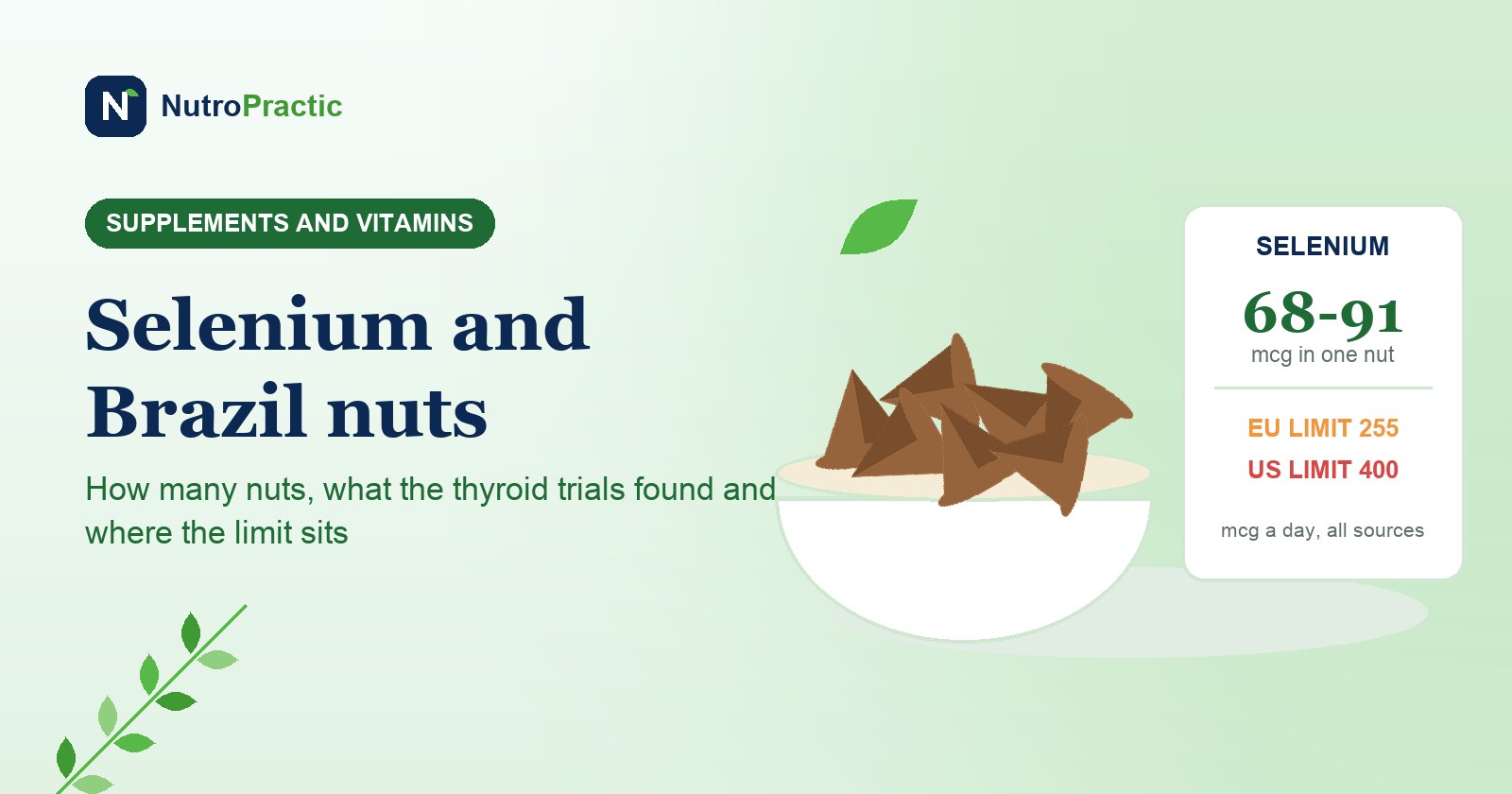
Selenium: how many Brazil nuts, what the thyroid trials found, and where the upper limit sits
One Brazil nut holds 68 to 91 mcg of selenium on average, against a 255 mcg European ceiling. A table of nuts per day, what the Hashimoto trials measured, and why more is not better.
14 Nov 2026
Supplements and vitamins
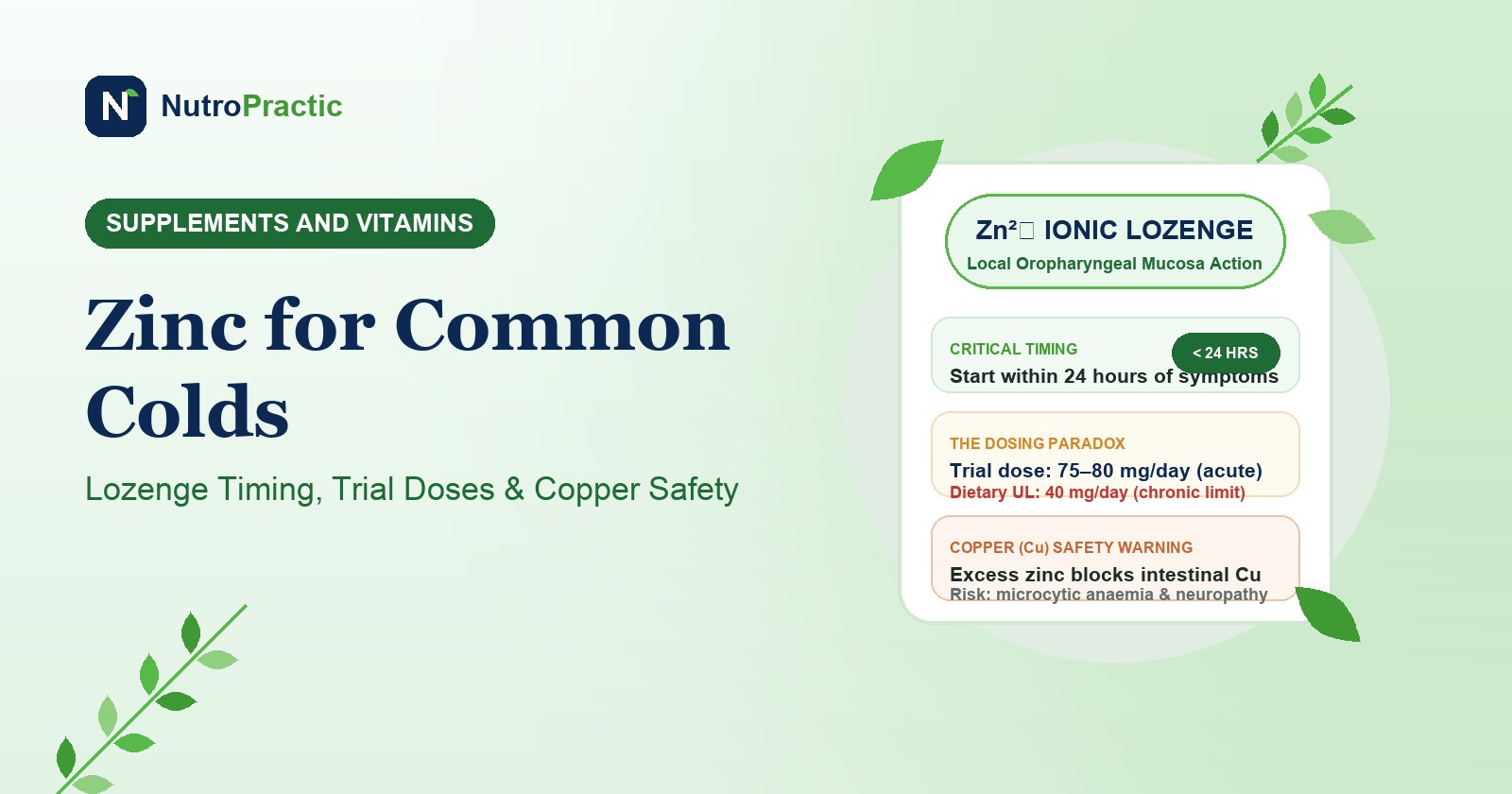
Zinc for common colds and immunity: trial doses, lozenge timing, and why 40 mg+ depletes copper
Randomized controlled trials confirm that zinc lozenges can reduce common cold duration by roughly 33%, but only when started within the first 24 hours of symptoms. Achieving this clinical effect requires doses of 75 to 80 mg daily of ionic zinc dissolved in the mouth—well above the 40 mg tolerable upper intake level. Here is the evidence on lozenge formulations, delivery timing, and why sustained high doses induce severe copper deficiency.
13 Nov 2026
Newsfeed for your website
Want this feed on your website?
Add it to any site with one copy-and-paste snippet. No sign-up, and it updates itself every hour.
Start with a virtual consultation
Tell Dr. Triveni what you want to change. You will leave with a clear next step, whether you are in Toronto, London, New York or Chennai.