Diabetes & metabolic health · November 14, 2026
A distinct peanut lipid signature tracked with lower diabetes risk — with 70% of protection tied to healthy BMI
Integrating the 6-month ARISTOTLE trial and the EPIC-Potsdam cohort, researchers found that peanut-derived phosphatidylcholines and sphingomyelins prospectively linked to reduced type 2 diabetes.
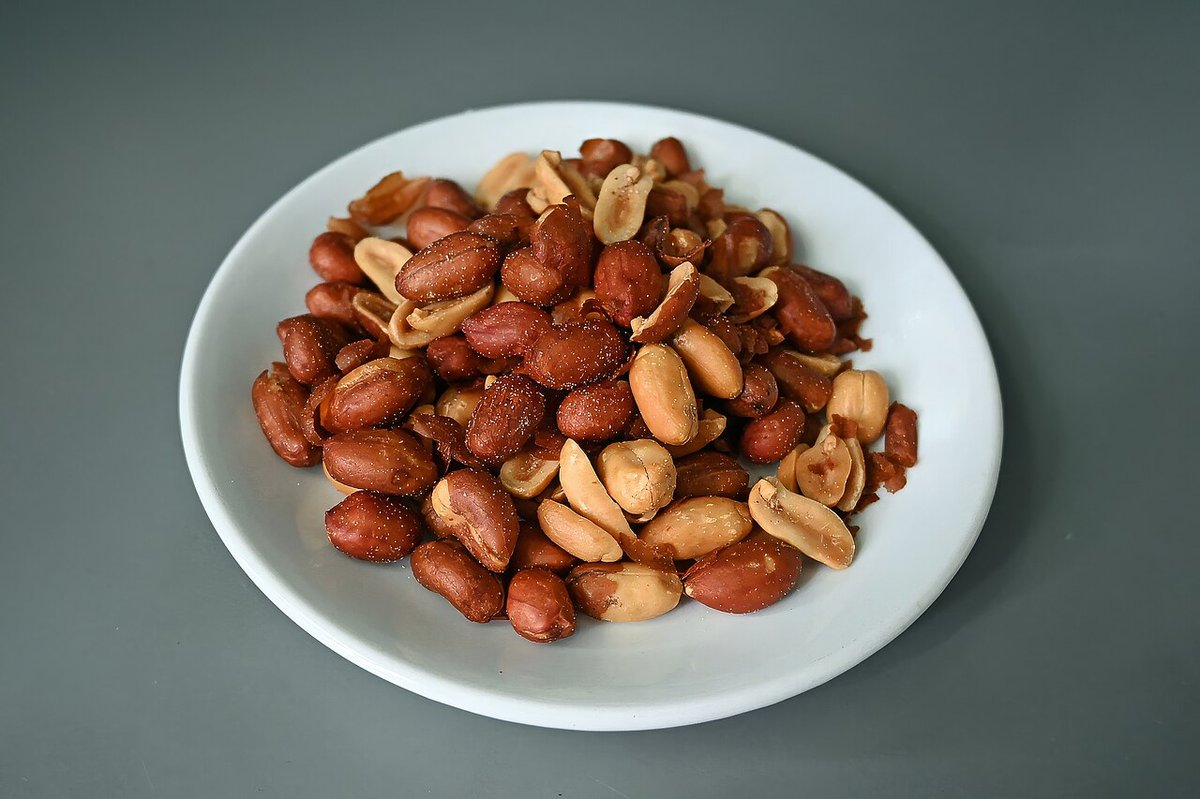
Nuts and peanuts are dense in monounsaturated fats, arginine, fiber, and polyphenols, but their precise impact on the circulating human lipidome has remained difficult to untangle from overall dietary patterns. Because lipid molecules actively signal insulin sensitivity and inflammatory cascades, mapping how regular peanut intake alters blood lipids provides key mechanistic insights.
In a study published in The American Journal of Clinical Nutrition, an international research team combined an intervention trial with large-scale prospective epidemiology. They first analyzed serum lipidomics from the 6-month randomized controlled ARISTOTLE trial, identifying a distinct molecular lipid signature directly responsive to regular daily peanut consumption.
The signature consisted predominantly of specific species of phosphatidylcholines (PCs) containing polyunsaturated fatty acids and select sphingomyelins (SMs). The investigators then applied this validated peanut lipid score to the prospective EPIC-Potsdam case-cohort study to evaluate long-term cardiometabolic disease incidence.
Participants with higher circulating levels of the peanut lipid profile had a statistically significant, prospectively lower risk of developing type 2 diabetes. Mediation analysis revealed that roughly 70% of this protective association was mediated by body mass index, indicating that peanut-related lipid remodeling works primarily in tandem with body-weight regulation rather than independent glycemic modulation.
Peanut lipidome signature and incident diabetes in ARISTOTLE and EPIC-Potsdam (November 2026)
6 months
Duration of the ARISTOTLE randomized peanut feeding trial
EPIC-Potsdam
Prospective population cohort used for case-cohort validation
PCs & SMs
Primary lipid classes enriched by regular peanut consumption
~70%
Proportion of diabetes risk reduction mediated by lower BMI
101527
AJCN publication article identifier
Two-stage multi-omic investigation combining a randomized dietary trial with prospective population-based cohort modeling and statistical mediation.
- Botanically, peanuts (Arachis hypogaea) are legumes rather than true tree nuts, though their nutritional profile resembles nuts.
- Peanut skins contain concentrated proanthocyanidins and resveratrol that can influence lipid oxidation.
- Phosphatidylcholines are key components of cell membranes and circulating lipoproteins, regulating membrane fluidity and cellular signaling.
- Sphingomyelins participate in microdomain lipid rafts that modulate insulin receptor localization and glucose transporter recruitment.
- Peanuts-derived plasma lipids and lower risk of type 2 diabetes: association mediated by body mass index—an intervention and case-cohort studyThe American Journal of Clinical Nutrition · Primary study identifying the peanut lipidomic signature and its prospective association with reduced type 2 diabetes risk. Published November 2026.
- Roasted PeanutsWikimedia Commons · Photo: Choo Yut Shing, CC BY 2.0. General nutrition illustration.
General information, not medical advice. Whole foods should be enjoyed in portion-appropriate contexts; individuals with known peanut allergies should strictly avoid peanut products.
Analysis by NutroPractic from the sources listed. Written for general readers; it does not replace advice from your own doctor.
From our articles
Our guides on this subject
Plain-language guides on nutrition and wellness, backed by research.

Cardiovascular wellness
Psyllium husk: how much soluble fibre lowers LDL cholesterol and stabilizes post-meal glucose in clinical trials
Viscous soluble fibre forms a thick gel matrix in the small intestine that binds bile acids and blunts post-meal glucose spikes. Across dozens of randomized controlled trials, 7 to 10.2 grams of psyllium daily lowers LDL cholesterol by 6% to 12% without stripping HDL, while reducing postprandial glucose surges by 15% to 25% in metabolic syndrome and type 2 diabetes. Discover the bile acid sequestration mechanism, trial meta-analyses, exact timing before meals, water ratios, and titration protocols to avoid gas and cramping.
13 Nov 2026
Diabetes
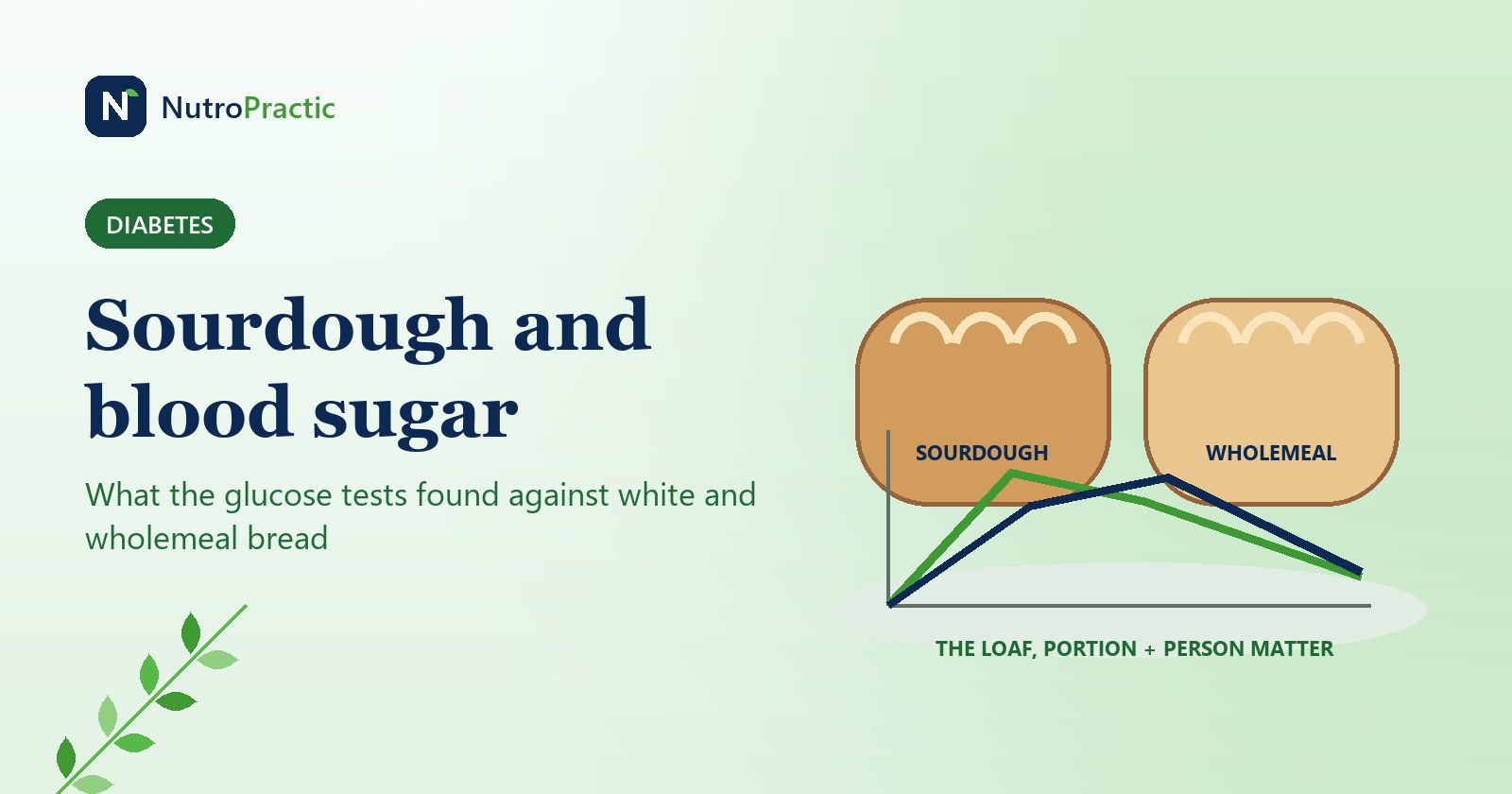
Sourdough and blood sugar: what the glucose tests found against white and wholemeal bread
Sourdough did not beat white bread on average in a 20-person crossover trial, and half responded better to white. A trial-by-trial look at fermentation, flour, portions, GI and how to test your own loaf fairly.
6 Nov 2026
Diabetes
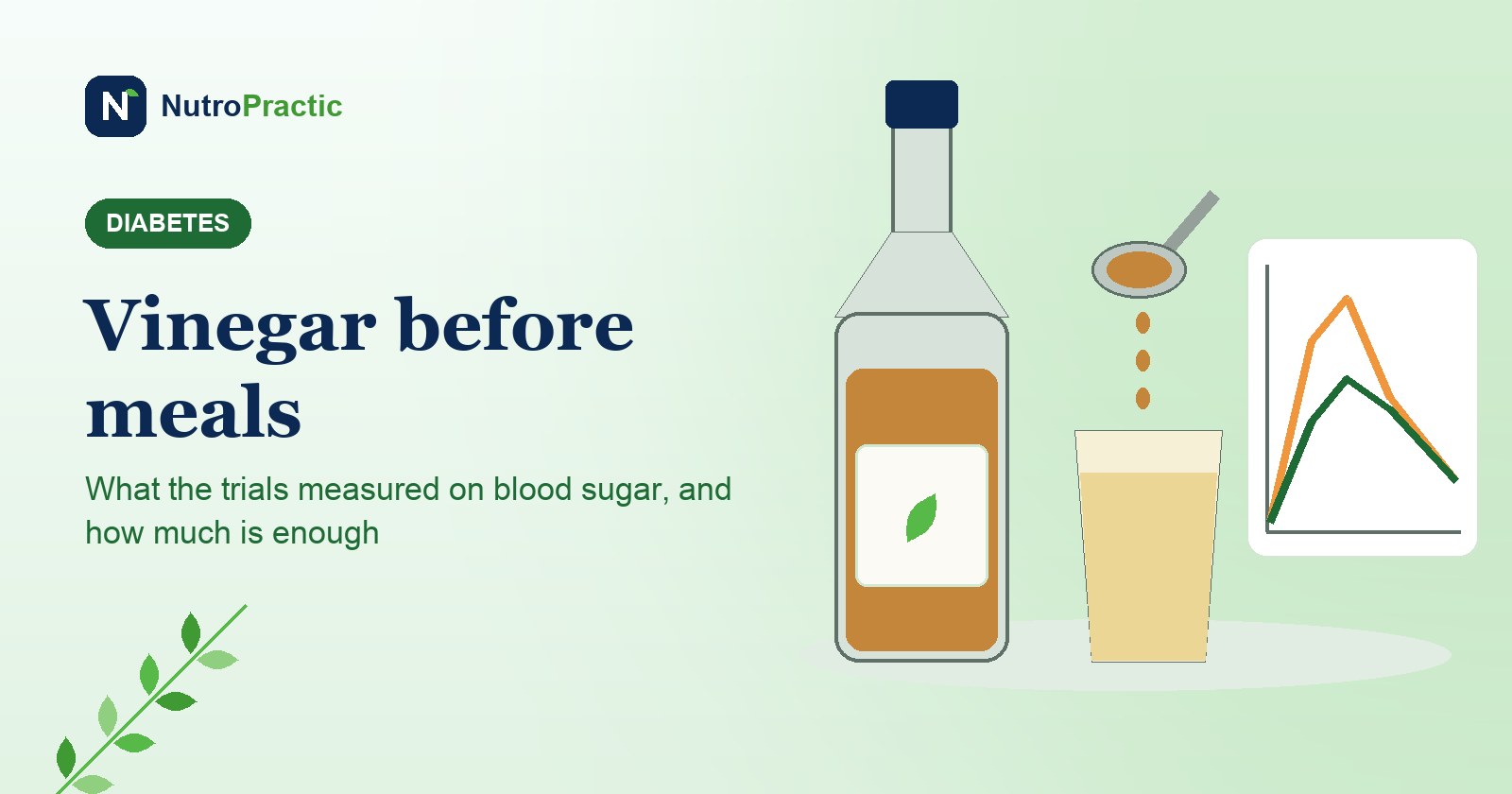
Vinegar before meals: what the trials measured on blood sugar, and how much is enough
Two teaspoons to a tablespoon with a starchy meal trims the glucose peak at 30 minutes, and the gap fades by two hours. HbA1c reviews range from -0.39 to -1.53, and we explain which to trust. Two gummies hold about 50 mg of acetic acid against 750 mg in a tablespoon.
5 Nov 2026
Newsfeed for your website
Want this feed on your website?
Add it to any site with one copy-and-paste snippet. No sign-up, and it updates itself every hour.
Start with a virtual consultation
Tell Dr. Triveni what you want to change. You will leave with a clear next step, whether you are in Toronto, London, New York or Chennai.