Geriatric clinical nutrition & functional frailty · November 27, 2026
Nutritional scores rose after oral supplements in homebound older adults, but independence rarely returned: prospective cohort
A prospective 3-month cohort study following 404 malnourished older adults receiving home health care evaluated clinical outcomes after initiating oral nutritional supplements. While nutritional status and small handgrip strength gains occurred, over half of patients experiencing nutritional gains regained no activities of daily living, and 32.7% died within 90 days, showing how severe the cohort's underlying frailty was.
Malnutrition is exceptionally prevalent among homebound older adults receiving specialized home health services, where functional immobility, cognitive impairment, and chronic diseases intersect. Oral nutritional supplements (ONS) are widely prescribed to correct macronutrient and micronutrient deficits in this frail demographic, yet real-world evidence regarding whether ONS can restore physical independence remains scarce.
In a prospective cohort study published in Nutrients, Aybüke Bacanlı, Kübra Makar, and Seçil Arıca evaluated 404 consecutive malnourished patients aged 65 years and older (median age 84 years) initiating prescribed ONS in home health care across Istanbul, Türkiye. Half of the cohort presented with a baseline Barthel Index score of zero, indicating total dependency in basic activities of daily living.
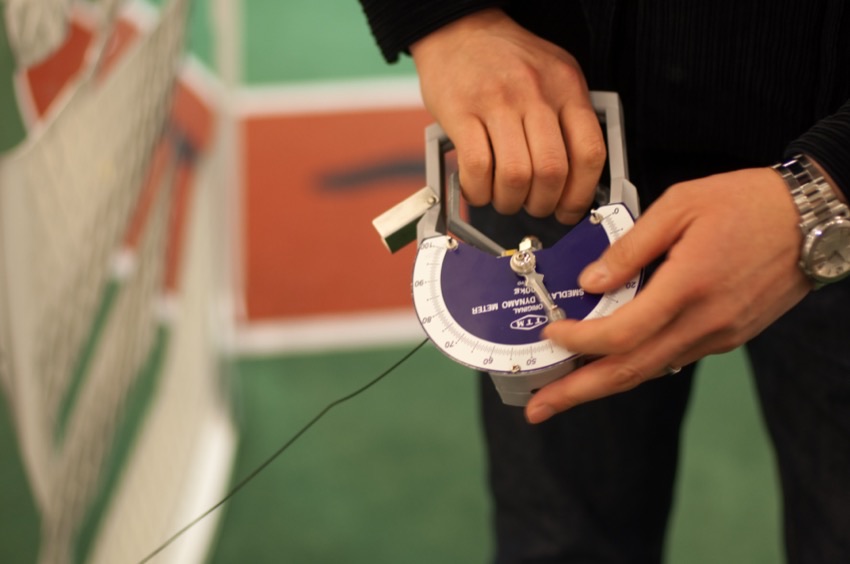
Over the three-month evaluation period, 250 patients completed follow-up, while 132 patients (32.7%) died, reflecting high underlying clinical frailty. Among surviving patients, Mini Nutritional Assessment Short-Form (MNA-SF) scores improved from a median of 4 to 7, and mean handgrip strength increased by 2.49 ± 4.40 kg. However, this strength increase remained below established minimal clinically important difference thresholds, with 90.8% of survivors maintaining clinically low grip strength.
Furthermore, 52.9% of patients who achieved meaningful nutritional score gains demonstrated zero improvement in Barthel Index functional scores. Meaningful functional gains (≥10 Barthel points) were observed in only 21.2% of survivors and were significantly more likely among individuals with larger baseline calf circumference and no pressure ulcers. The investigators concluded that ONS initiation was followed by better nutritional scores and small strength gains, but rarely by regained independence. Because this was an uncontrolled cohort, it cannot show that ONS caused the changes; the authors support earlier nutritional screening, although earlier treatment was not tested.
Prospective 3-month cohort study of oral nutritional supplements in homebound older adults
404 Patients
consecutive malnourished homebound older adults (median age 84) followed prospectively
+2.49 kg
mean handgrip strength gain among survivors, remaining below clinically meaningful thresholds
52.9%
of patients with nutritional score gains who showed zero improvement in activities of daily living
32.7%
90-day mortality rate highlighting high underlying clinical frailty in home care cohorts
Prospective cohort study published in Nutrients, November 2026 (doi: 10.3390/nu18233954).
- Calf circumference serves as a practical bedside surrogate marker for skeletal muscle mass in bedridden or wheelchair-dependent older adults unable to stand for bioimpedance analysis.
- The Barthel Index measures functional performance in ten basic activities of daily living, including feeding, bathing, dressing, bowel and bladder control, and mobility.
- Because this cohort had no untreated comparison group, it cannot separate changes after ONS from rehabilitation, illness progression, or other care.
- Baseline Calf Circumference, Inflammation and Three-Month Outcomes After Oral Nutritional Supplementation in Malnourished Homebound Older Adults: A Prospective Cohort StudyNutrients · Prospective cohort study by Aybüke Bacanlı, Kübra Makar, and Seçil Arıca. Published 25 November 2026.
- File:Grip strength measurement.jpgWikimedia Commons · Photo by Yu Mori, CC BY-SA 2.0.
Educational summary of nutrition research, not personal medical advice. Speak to your doctor or dietitian before changing your diet or supplements, especially if you are pregnant, take medicines or have a medical condition.
Analysis by NutroPractic from the sources listed. Written for general readers; it does not replace advice from your own doctor.
From our articles
Our guides on this subject
Plain-language guides on nutrition and wellness, backed by research.

Women's wellness and nutrition
Creatine for women: cognitive performance, menstrual cycle phases, and bone density beyond muscle building
Creatine is widely stereotyped as a bodybuilding supplement for men, but female physiology tells a very different story. Women exhibit 70% to 80% lower endogenous creatine stores, reduced dietary intake, and cyclical fluctuations in brain creatine kinase across the follicular and luteal phases. Robust clinical trials demonstrate that 3 to 5 grams of daily creatine monohydrate enhances cognitive performance during sleep deprivation, augments clinical response in unipolar depression, preserves femoral neck bone geometry in postmenopausal women, and causes cellular intracellular hydration rather than subcutaneous bloating.
13 Nov 2026
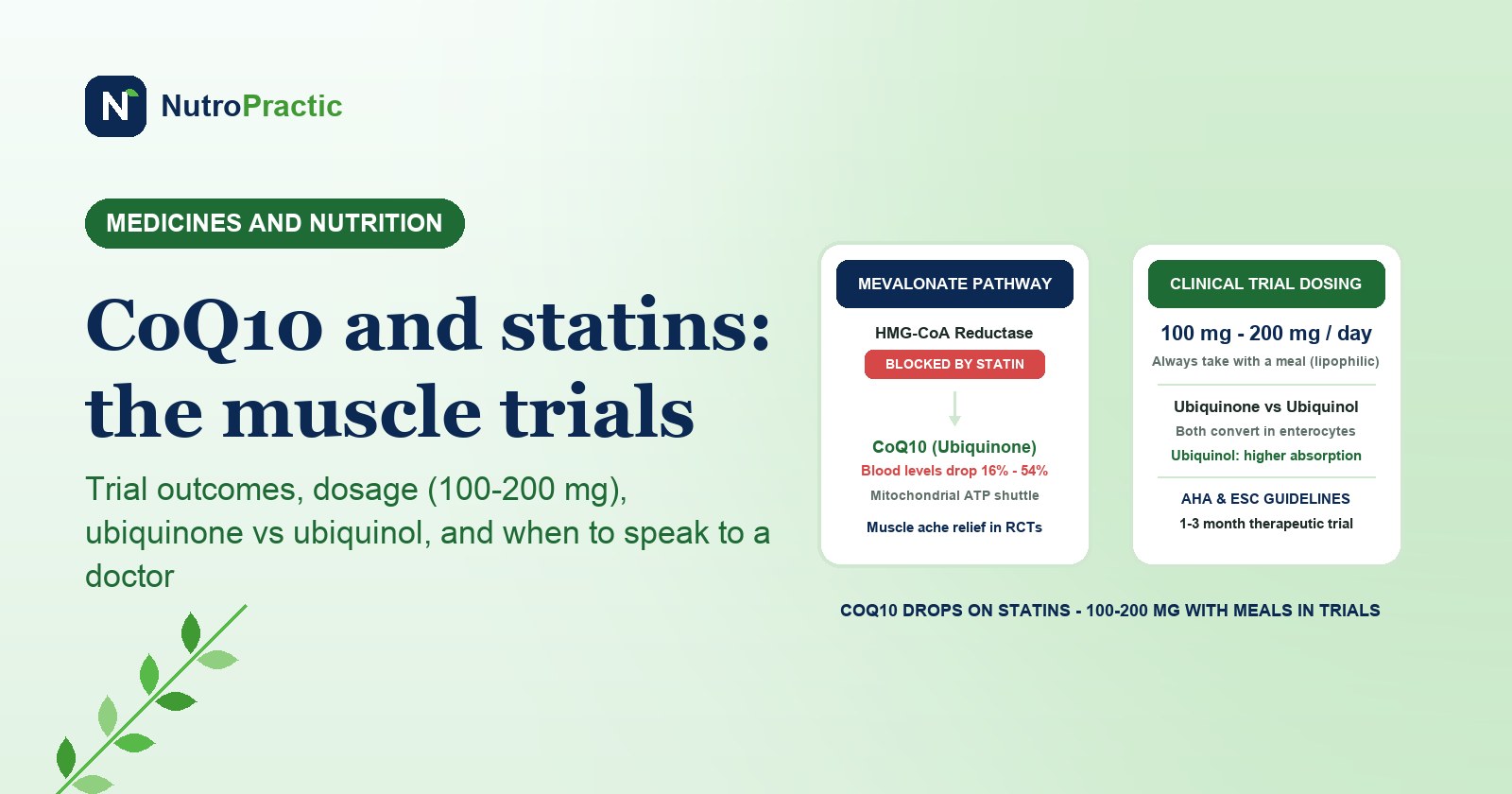
Medicines and nutrition
CoQ10 and statins: what the muscle symptom trials found, and who might benefit
Statin-associated muscle symptoms lead up to 30% of patients to discontinue life-saving cholesterol therapy. While statins deplete circulating CoQ10 by 16% to 54%, randomized clinical trials show mixed results for myalgia relief. Explore the trials, ubiquinone vs ubiquinol bioavailability, recommended doses, and clinical guideline recommendations.
14 Nov 2026
Healthy ageing
Creatine beyond the gym: what it does for older adults and women, and what it doesn't
Across 22 trials, adults in their late fifties to seventies who took creatine while doing resistance training gained about 1.4 kg more lean mass than those who trained without it. Two two-year trials found it did nothing for bone density after menopause. Where the evidence is solid, where it's early (memory, short nights), how much to take, and who should leave it alone.
10 Oct 2026
Newsfeed for your website
Want this feed on your website?
Add it to any site with one copy-and-paste snippet. No sign-up, and it updates itself every hour.
Start with a virtual consultation
Tell Dr. Triveni what you want to change. You will leave with a clear next step, whether you are in Toronto, London, New York or Chennai.