Pediatric Metabolic Endocrinology & Early Screening · November 23, 2026
Isolated 1-Hour Plasma Glucose ≥133 mg/dL Unmasks Hidden Insulin Resistance in Children with Overweight
Pediatric patients with overweight or obesity who show completely normal fasting and 2-hour blood sugar levels can still harbor substantial insulin resistance and beta-cell dysfunction if their 1-hour oral glucose tolerance test hits 133 mg/dL or higher.
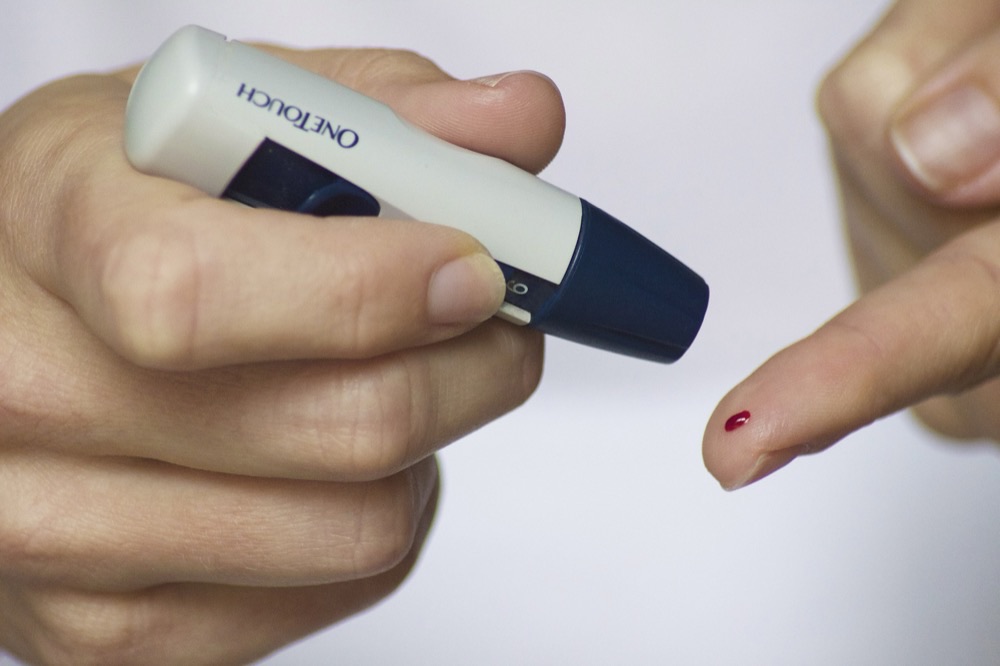
Clinical diagnosis of pediatric prediabetes conventionally relies on fasting plasma glucose (100–125 mg/dL), 2-hour post-load glucose during a standard oral glucose tolerance test (OGTT; 140–199 mg/dL), or glycated hemoglobin (HbA1c 5.7–6.4%). However, a substantial subset of pediatric patients with overweight or obesity exhibit insidious metabolic deterioration before any of these standard thresholds flag an alert. A clinical investigation published in Nutrients demonstrates that an isolated 1-hour plasma glucose (1h-PG) concentration of 133 mg/dL or higher provides a highly sensitive window into early subclinical dysglycemia.
The researchers stratified children and adolescents undergoing standardized 75-gram (or 1.75 g/kg) OGTT protocols into distinct diagnostic cohorts, specifically analyzing youth whose fasting and 2-hour glucose concentrations fell strictly within normal reference limits. Participants with normal conventional metrics were bifurcated based on whether their 1-hour plasma glucose was below 133 mg/dL or elevated at or above 133 mg/dL.
Despite having normal fasting glucose and normal 2-hour post-load glucose, children with isolated 1h-PG ≥133 mg/dL exhibited significantly higher fasting insulin concentrations, elevated homeostatic model assessment of insulin resistance (HOMA-IR), lower Matsuda insulin sensitivity indices, and diminished disposition indices reflecting defective pancreatic beta-cell compensation. Furthermore, their secondary cardiometabolic profiles closely mirrored youth with diagnosed prediabetes, including higher serum triglycerides, lower HDL cholesterol, and elevated alanine aminotransferase (ALT) indicative of hepatic steatosis.
These findings strongly support integrating the 1-hour post-challenge glucose measurement into routine pediatric metabolic evaluations. Because insulin resistance in youth accelerates vascular stiffening, hepatic steatosis, and early beta-cell exhaustion far more aggressively than in adults, early identification via 1h-PG enables timely lifestyle interventions—such as whole-food carbohydrate restructuring, elimination of liquid sugars, and progressive physical activity—before overt glycemic breakdown occurs.
Metabolic Phenotypes Across 1-Hour Plasma Glucose Categories in Youth
133 mg/dL
validated 1-hour OGTT plasma glucose cut-off identifying early pediatric metabolic dysfunction
Normal
conventional fasting (<100 mg/dL) and 2-hour (<140 mg/dL) glucose in the isolated elevated cohort
HOMA-IR
significantly elevated alongside reduced Matsuda whole-body insulin sensitivity index
Elevated ALT
liver transaminase elevation tracking pediatric non-alcoholic fatty liver risk
Subjects underwent standardized 2-hour OGTT with serial glucose and insulin measurements; disposition index evaluated beta-cell secretory capacity relative to underlying insulin resistance.
- The 1-hour plasma glucose level during an OGTT captures the peak glucose surge when first-phase insulin secretion is challenged, whereas the 2-hour mark primarily reflects peripheral clearance.
- Insulin resistance in youth progresses to type 2 diabetes at nearly four times the rate observed in adult populations, making early detection vital.
- Fasting plasma glucose can remain deceptively normal for years because pancreatic beta-cells overcompensate by pumping out supranormal basal insulin.
- Isolated Elevated One-Hour Plasma Glucose (≥133 mg/dL) Is Associated with Insulin Resistance and Impaired β-Cell Compensation in Children and Adolescents with Overweight or Obesity Without PrediabetesNutrients · Clinical pediatric study published November 2026.
- File:Testing Blood Sugar Levels.jpgWikimedia Commons · Photo from Pixabay, CC0 public domain.
Educational summary of nutrition research, not personal medical advice. Speak to your doctor or dietitian before changing your diet or supplements, especially if you are pregnant, take medicines or have a medical condition.
Analysis by NutroPractic from the sources listed. Written for general readers; it does not replace advice from your own doctor.
From our articles
Our guides on this subject
Plain-language guides on nutrition and wellness, backed by research.

Global data
Diabetes, obesity, child malnutrition and hunger, 1980 to 2050: what the numbers show
How diabetes, obesity, child malnutrition and hunger have changed since 1980, with sourced figures and a basic projection to 2050. Click a condition to explore the chart and its facts.
5 Oct 2026
Diabetes
Type 2 diabetes remission through weight loss: what the DiRECT trial showed, and who it works for
Almost half of the people in one UK trial put their type 2 diabetes into remission in a year by losing weight. After five years it was 13%. What the trial did, why the amount of weight lost mattered more than the method, who it suits, and how to try it without hurting yourself.
11 Oct 2026

Women's health
PCOS and food: what the diet trials show for cycles, insulin and weight
PCOS affects about one woman in ten, and most are told to "lose weight" with little else. Here is what drives it, why insulin matters even in slim women, how much weight loss brings cycles back, what the low-GI and Mediterranean trials found, what inositol and metformin do, and which tests to ask for.
30 Oct 2026
Newsfeed for your website
Want this feed on your website?
Add it to any site with one copy-and-paste snippet. No sign-up, and it updates itself every hour.
Start with a virtual consultation
Tell Dr. Triveni what you want to change. You will leave with a clear next step, whether you are in Toronto, London, New York or Chennai.