Diabetes care & behavioral nutrition · November 19, 2026
Mindful eating nudges matched traditional meal plans for six-month diabetes blood sugar control
In a multicenter randomized trial of 371 adults with type 2 diabetes across Brazilian public healthcare clinics, a flexible multicomponent strategy combining mindful eating advising and SMS nudges lowered HbA1c just as effectively as strict personalized dietary prescriptions.

Rigid dietary prescriptions and complex calorie-counting protocols remain the historical standard of care for type 2 diabetes, yet long-term adherence in routine outpatient practice is frequently dismal. Strict regimens can generate cognitive fatigue, social friction, and feelings of deprivation, prompting researchers to test whether flexible behavioral approaches emphasizing food quality, mindful eating, and regular digital communication could achieve equivalent metabolic control.
The NUGLIC trial, an open-label, parallel-group, superiority multicenter randomized controlled clinical study published in Nutrients, tested this hypothesis across multiple primary care centers in Brazil's Unified Health System. The investigation enrolled 371 adult men and women aged 30 and older living with poorly controlled type 2 diabetes, allocating them into two active management protocols for 24 weeks (six months).
Participants in the control group received standard individualized dietary prescriptions developed by registered dietitians according to conventional clinical guidelines. In contrast, the NUGLIC intervention group was guided by a multicomponent behavioral strategy: educational advising focused on dietary quality and minimally processed staples, mindfulness-based eating techniques (such as chewing pace and satiety awareness), and supportive mobile SMS/email nudges delivered between clinical consultations.
At the 24-week endpoint, both groups achieved clinically meaningful reductions in glycated hemoglobin (HbA1c) from baseline: the NUGLIC group dropped by an average of -0.6% and the control group by -0.5%, with no statistically significant difference between arms. Secondary markers including fasting glucose and body mass index showed parallel improvements. The authors conclude that flexible mindful-eating approaches supported by digital nudges offer a viable, empowering alternative to restrictive meal prescriptions in real-world diabetes care.
Glycemic outcomes in the NUGLIC multicenter trial at 24 weeks
371
Adults with type 2 diabetes randomized across multicenter public clinics
24 weeks
Intervention duration comparing prescriptive diet vs mindful advising
-0.6%
Mean HbA1c reduction in the multicomponent NUGLIC intervention arm
-0.5%
Mean HbA1c reduction in the conventional dietary prescription arm
Multicenter randomized controlled clinical trial. Mindful eating techniques and mobile nudges proved equally effective to strict dietary prescriptions for lowering HbA1c.
- Glycated hemoglobin (HbA1c) reflects the average percentage of hemoglobin bound to glucose over the preceding 8 to 12 weeks.
- Mindful eating encourages slowing the pace of meals and recognizing internal physical hunger and fullness cues rather than relying on external dietary rules.
- Mobile nudges (such as weekly text reminders) have been shown in behavioral medicine to enhance self-efficacy and maintain healthy habit consistency.
- Both rigid meal plans and mindful food choice strategies can succeed when they emphasize fiber-rich, minimally processed whole foods.
- A Nutritional Strategy Based on Multiple Components for Glycemic Control in Type 2 Diabetes: A Multicenter Randomized Controlled Clinical TrialNutrients / MDPI · Multicenter randomized controlled trial in 371 Brazilian adults with type 2 diabetes. Published November 2026.
- Prato com arroz e feijao, frango grelhado e saladaWikimedia Commons · Photo by Tet, CC0 public domain dedication.
Behavioral nutrition and diabetes research summary, not personalized medical therapy. Individuals managing type 2 diabetes should consult their physician or endocrinologist before adjusting diabetes medications or dietary strategies.
Analysis by NutroPractic from the sources listed. Written for general readers; it does not replace advice from your own doctor.
From our articles
Our guides on this subject
Plain-language guides on nutrition and wellness, backed by research.

Cardiovascular wellness
Psyllium husk: how much soluble fibre lowers LDL cholesterol and stabilizes post-meal glucose in clinical trials
Viscous soluble fibre forms a thick gel matrix in the small intestine that binds bile acids and blunts post-meal glucose spikes. Across dozens of randomized controlled trials, 7 to 10.2 grams of psyllium daily lowers LDL cholesterol by 6% to 12% without stripping HDL, while reducing postprandial glucose surges by 15% to 25% in metabolic syndrome and type 2 diabetes. Discover the bile acid sequestration mechanism, trial meta-analyses, exact timing before meals, water ratios, and titration protocols to avoid gas and cramping.
13 Nov 2026
Diabetes
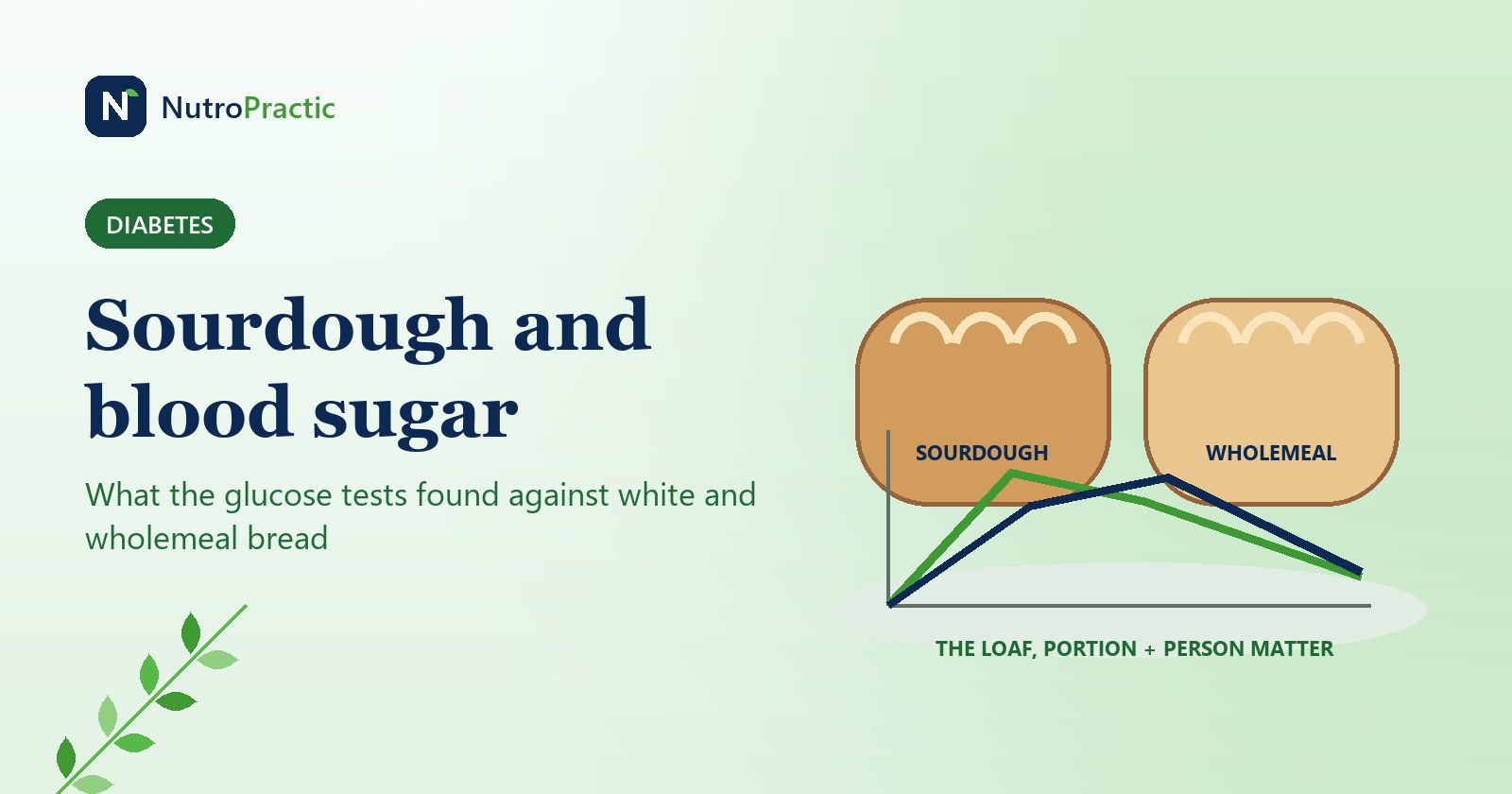
Sourdough and blood sugar: what the glucose tests found against white and wholemeal bread
Sourdough did not beat white bread on average in a 20-person crossover trial, and half responded better to white. A trial-by-trial look at fermentation, flour, portions, GI and how to test your own loaf fairly.
6 Nov 2026
Diabetes
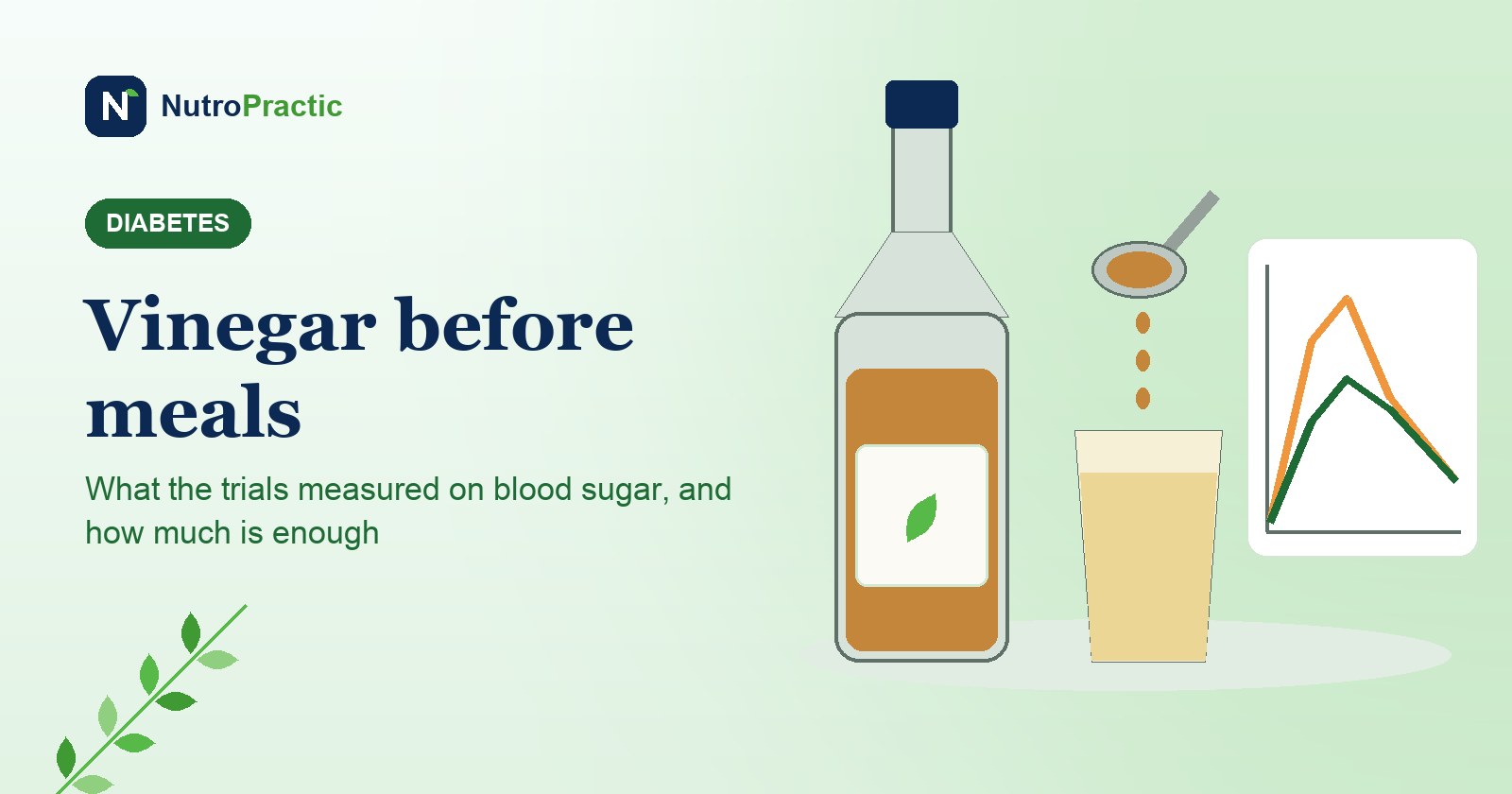
Vinegar before meals: what the trials measured on blood sugar, and how much is enough
Two teaspoons to a tablespoon with a starchy meal trims the glucose peak at 30 minutes, and the gap fades by two hours. HbA1c reviews range from -0.39 to -1.53, and we explain which to trust. Two gummies hold about 50 mg of acetic acid against 750 mg in a tablespoon.
5 Nov 2026
Newsfeed for your website
Want this feed on your website?
Add it to any site with one copy-and-paste snippet. No sign-up, and it updates itself every hour.
Start with a virtual consultation
Tell Dr. Triveni what you want to change. You will leave with a clear next step, whether you are in Toronto, London, New York or Chennai.