Healthy aging & supplementation · November 28, 2026
In the 21,442-person COSMOS trial, a daily multivitamin gave older adults small gains on a heart-symptom questionnaire; cocoa extract gave none
A secondary analysis of COSMOS found daily multivitamin-mineral use linked to slightly better symptom burden scores over 3 years, with no effect on physical ability.
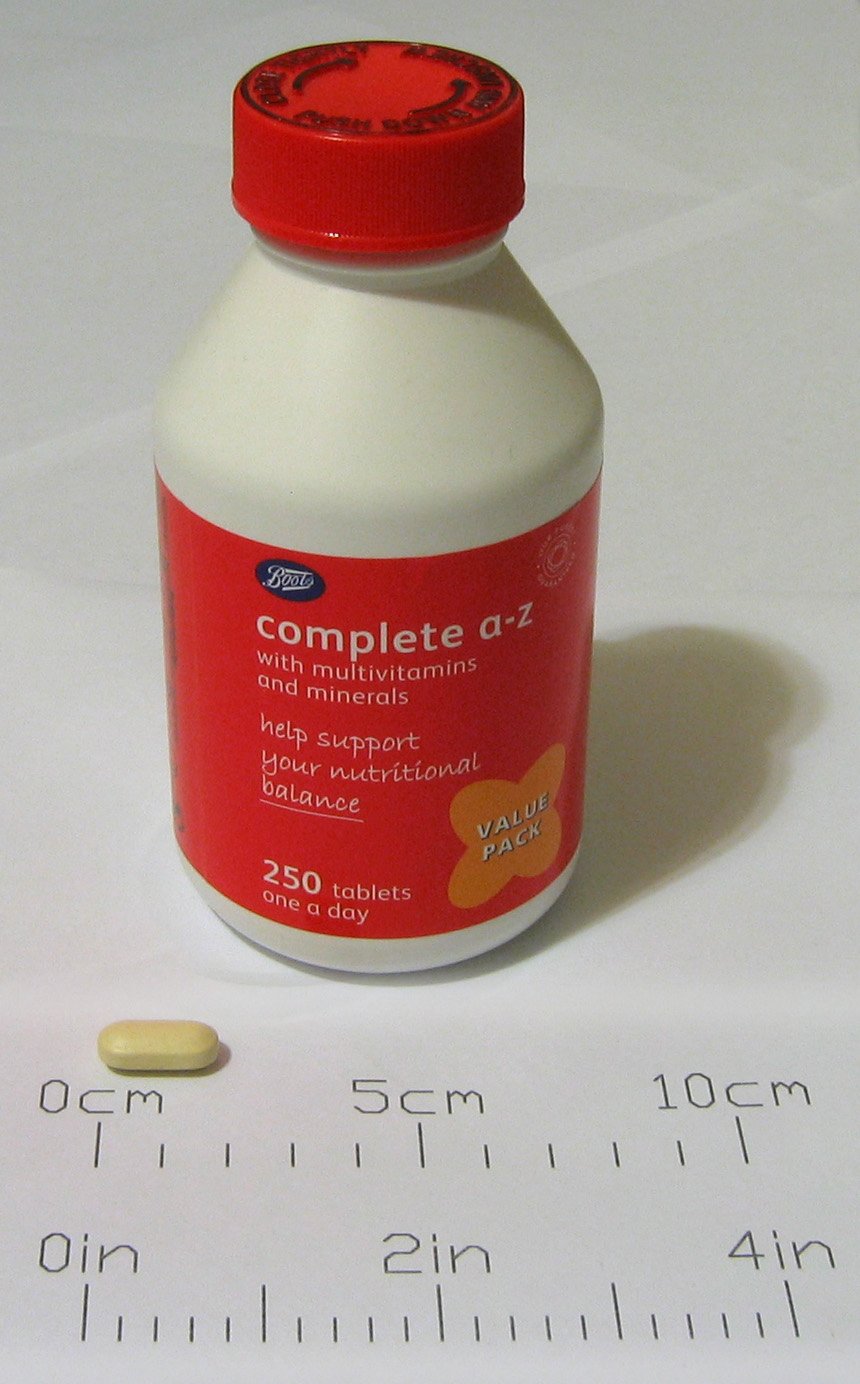
COSMOS (the COcoa Supplement and Multivitamin Outcomes Study) tested a daily multivitamin-mineral (MVM) and a cocoa extract in older adults. A prespecified secondary analysis in GeroScience, led by Bekele, looked at patient-reported cardiovascular-related functional health.
COSMOS was a 2 x 2 factorial, randomised, double-blind, placebo-controlled trial of 21,442 US adults (men 60 or older, women 65 or older) without major cardiovascular disease at baseline. Outcomes came from the Kansas City Cardiomyopathy Questionnaire: physical ability score, symptom burden and a clinical summary score, over 3 years.
Compared with placebo, the multivitamin group had small but statistically significant improvements in symptom burden (mean difference 0.44, 95% CI 0.13 to 0.74) and clinical summary score (0.33, 0.09 to 0.57), with no significant effect on physical ability. Cocoa extract had no overall effect. Exploratory subgroup analyses suggested the multivitamin effect differed by carotid stenosis status.
The differences are small, and the subgroup findings were exploratory. The authors call for further investigation rather than a change in practice.
Daily multivitamin-mineral vs placebo, COSMOS, 3 years
21,442
older US adults randomised
+0.44
symptom burden score difference with multivitamin (95% CI 0.13 to 0.74)
+0.33
clinical summary score difference (95% CI 0.09 to 0.57)
Prespecified secondary analysis of a randomised clinical trial (NCT02422745), GeroScience, 18 Nov 2026. Subgroup results exploratory.
- COSMOS used a 2 x 2 design, so each person was randomised to a multivitamin or placebo and also to cocoa extract or placebo.
- The Kansas City Cardiomyopathy Questionnaire was built for people with heart failure; here it was used as a measure of cardiovascular-related functional health.
- Effect of multivitamin-mineral supplementation on cardiovascular-related functional health status in older adults: secondary findings from the COSMOS randomized clinical trialGeroScience, 18 Nov 2026 · Abstract and results.
This article is general information about published research, not medical advice. It does not diagnose, treat or replace care from a qualified health professional. Talk to your doctor before starting a supplement or changing your diet, especially if you are pregnant, have a medical condition or take medicines.
Analysis by NutroPractic from the sources listed. Written for general readers; it does not replace advice from your own doctor.
From our articles
Our guides on this subject
Plain-language guides on nutrition and wellness, backed by research.

Women's wellness and nutrition
Creatine for women: cognitive performance, menstrual cycle phases, and bone density beyond muscle building
Creatine is widely stereotyped as a bodybuilding supplement for men, but female physiology tells a very different story. Women exhibit 70% to 80% lower endogenous creatine stores, reduced dietary intake, and cyclical fluctuations in brain creatine kinase across the follicular and luteal phases. Robust clinical trials demonstrate that 3 to 5 grams of daily creatine monohydrate enhances cognitive performance during sleep deprivation, augments clinical response in unipolar depression, preserves femoral neck bone geometry in postmenopausal women, and causes cellular intracellular hydration rather than subcutaneous bloating.
13 Nov 2026

Medicines and nutrition
CoQ10 and statins: what the muscle symptom trials found, and who might benefit
Statin-associated muscle symptoms lead up to 30% of patients to discontinue life-saving cholesterol therapy. While statins deplete circulating CoQ10 by 16% to 54%, randomized clinical trials show mixed results for myalgia relief. Explore the trials, ubiquinone vs ubiquinol bioavailability, recommended doses, and clinical guideline recommendations.
14 Nov 2026

Healthy ageing
Creatine beyond the gym: what it does for older adults and women, and what it doesn't
Across 22 trials, adults in their late fifties to seventies who took creatine while doing resistance training gained about 1.4 kg more lean mass than those who trained without it. Two two-year trials found it did nothing for bone density after menopause. Where the evidence is solid, where it's early (memory, short nights), how much to take, and who should leave it alone.
10 Oct 2026
Newsfeed for your website
Want this feed on your website?
Add it to any site with one copy-and-paste snippet. No sign-up, and it updates itself every hour.
Start with a virtual consultation
Tell Dr. Triveni what you want to change. You will leave with a clear next step, whether you are in Toronto, London, New York or Chennai.